The Ultimate Guide to Selling House Valuation: How to Accurately Value Your Home Before Selling
Valuing your home accurately before selling is one of the most important steps in the property-selling process. Setting the right price helps you attract genuine buyers, avoid financial losses, and sell your property faster. If you list your home too high, it can stay unsold for months; too low, and you might lose money.
The concept of house valuation refers to determining how much your property is worth in the current market. This involves analyzing several factors such as location, property size, condition, neighborhood appeal, and recent sale prices of similar homes.
Today, advanced property valuation tools powered by AI and big data have made this process faster and more accurate. In this guide, we’ll explore how to use these tools, their benefits, and real-world examples of valuation products that can help you make smarter selling decisions.
Why Accurate House Valuation Matters

Determining your home’s true market value is the foundation of a successful property sale. Without an accurate valuation, you risk mispricing your home—something that can cost you time and money.
An overpriced property tends to linger on the market. Potential buyers may assume something is wrong with it, forcing you to make price cuts later. On the other hand, underpricing your home may result in losing significant profit that could have been gained with a proper assessment.
A professional house valuation gives you:
- Confidence in pricing – You can justify your asking price with real data.
- Better negotiation power – Buyers respect sellers who understand market values.
- Faster sales process – Properties priced correctly attract more offers.
- Accurate financial planning – You’ll know exactly what to expect from the sale.
Valuation isn’t just a number; it’s a strategy. It shapes how you position your home in the market and determines how potential buyers perceive its worth.
Key Factors That Influence House Valuation
Several variables determine your home’s selling price. Understanding them helps you get a clearer picture of your property’s actual market value.
Location
Location remains the most powerful driver of property value. A home close to schools, shopping centers, public transport, and job hubs will always be more desirable. Safe neighborhoods with good infrastructure can increase a property’s worth by up to 30%.
Condition and Age of the Property
Buyers prefer well-maintained homes. A recently renovated kitchen, new flooring, or energy-efficient windows can raise your home’s value significantly. Older homes with outdated designs, structural damage, or maintenance issues will typically sell for less.
Property Size and Layout
Larger homes with smart layouts attract more buyers. However, how the space is used matters just as much as the size itself. An open floor plan, natural lighting, and efficient room distribution can enhance perceived value.
Market Trends
Real estate markets fluctuate. Economic conditions, interest rates, and government policies can all impact home prices. A strong seller’s market means higher demand, while a buyer’s market might require competitive pricing.
Comparable Sales
One of the most reliable methods of valuation is comparing your property to similar ones that have sold recently in your area. This helps you establish a realistic price range based on actual market activity.
The Role of Technology in House Valuation
Modern technology has completely changed how sellers determine property value. Instead of relying only on human judgment, digital tools now combine data from thousands of listings, economic indicators, and even satellite images to generate accurate valuations.
Speed and Convenience
Using property valuation software, you can get an instant estimate of your home’s value in just minutes. This allows homeowners to make quick, data-driven decisions without waiting for an appraiser to visit. For instance, real estate platforms today use automated systems that provide instant online valuations using comparable sales and AI-driven analysis.
This speed is crucial when you need to list your property quickly or adjust your price based on market shifts.
Data Accuracy and Transparency
Advanced valuation models analyze massive amounts of data to ensure accuracy. They consider neighborhood trends, construction quality, and even the property’s potential resale value. Many tools use what’s known as an Automated Valuation Model (AVM) — an algorithm that estimates property value using statistical models and real market data.
This helps sellers set a realistic asking price and understand what factors impact their property’s worth. Transparency in valuation builds trust with buyers and supports stronger negotiations.
Visual Reporting and Insights
Some modern valuation tools generate easy-to-understand reports that include graphs, maps, and market comparisons. These insights show why your property is valued at a certain level and highlight areas for potential improvement. For example, a report might suggest that adding solar panels or renovating the bathroom could increase your home’s value by a specific percentage.
Real-World Examples of House Valuation Tools
Here are five real products that can help you determine your home’s selling value accurately.
1. Property Valuation by Peter Wyatt
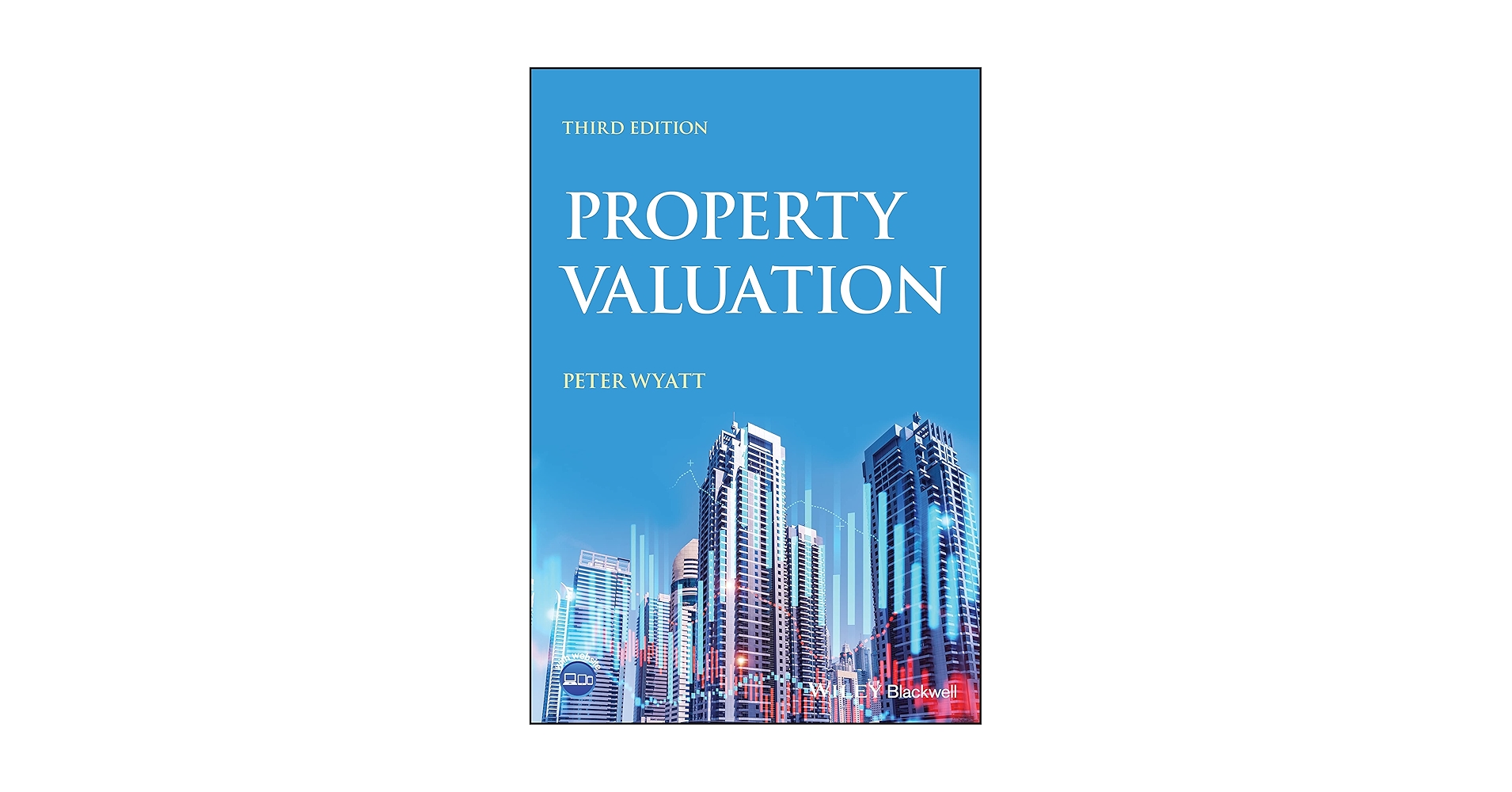
This book and digital guide explain the fundamental principles behind property valuation. It’s perfect for homeowners, investors, or agents who want to understand how property prices are calculated.
Product details:
Peter Wyatt provides a deep look into valuation methodologies, market comparison techniques, and factors that influence real estate prices. It’s an excellent resource for anyone who wants to learn valuation without relying solely on automated tools.
Use case:
If you own an older home and are considering a small renovation before selling, this guide can help you estimate how much value those improvements could add.
Why it’s useful:
Not all properties fit neatly into algorithmic models. This resource helps sellers understand unique property cases where manual evaluation is more accurate.
2. Property Software for Developers and Agents

This software is designed for property developers and agents who want to create their own custom valuation systems. It allows users to input local data, market variables, and property details to generate tailored estimates.
Product details:
Perfect for agents operating in regional markets, this tool allows flexibility and adaptability. It can be customized to reflect local property trends and conditions.
Use case:
A local property agent in a small city can use this software to build a database of listings, analyze historical prices, and automatically generate valuation reports.
Why it’s useful:
Not every global valuation software fits local markets. This customizable solution ensures relevance and accuracy in specific geographic areas.
3. Real Estate Management 2024 – Full Version Software

A comprehensive property management system that includes valuation and asset analysis features. It’s suitable for agencies or property owners managing multiple real estate assets.
Product details:
Although primarily a management tool, it includes modules for property value assessment and financial reporting. It helps you track the appreciation or depreciation of your assets over time.
Use case:
If you own multiple properties and want to decide which one to sell first, this software allows you to analyze each property’s market value and profitability.
Why it’s useful:
When managing a portfolio of properties, having a built-in valuation system helps you prioritize your selling strategy efficiently.
4. Customizable Construction Software
This tool is primarily for construction manage,ment but can be customized to include a valuation feature. It helps users estimate renovation costs and potential increases in property value after improvements.
Product details:
It allows you to enter project details like materials, renovation type, and scope to calculate total investment versus expected property appreciation.
Use case:
If you plan to renovate your kitchen, upgrade flooring, or modernize bathrooms before selling, this software helps estimate how much those improvements can raise your home’s selling price.
Why it’s useful:
Renovations often add significant value to a home. By forecasting cost and return, this tool helps you invest wisely before putting your house on the market.
5. progeCAD 2020 Professional
This CAD design software allows users to create accurate floor plans, visualize renovations, and produce marketing-ready visuals for potential buyers.
Product details:
You can create “before and after” plans to demonstrate how your property could look after renovation. This visual aid makes it easier for buyers to see the home’s full potential.
Use case:
If you’re selling an older house, using this tool to present renovation concepts can help justify your asking price and attract buyers with a clear vision of the property’s value.
Why it’s useful:
Visualization helps bridge the gap between perception and reality. Buyers are more likely to pay your asking price when they can clearly see the property’s potential.
Benefits of Using Valuation Tools
Faster Decision-Making
Traditional valuations often take days or even weeks. With modern tools, you can obtain reliable results instantly. This helps homeowners react quickly to market opportunities and adjust their pricing strategies in real-time.
Increased Accuracy
Advanced software combines multiple data sources to produce accurate valuations, minimizing human bias. The more data you input—such as property condition, upgrades, and local sales—the more precise your valuation becomes.
Cost Efficiency
Hiring a professional appraiser can be expensive, especially if you’re just exploring your selling options. Digital tools often provide free or low-cost estimates, giving you flexibility without upfront fees.
Strategic Planning
Comprehensive valuation tools help you identify which renovations will add the most value, when to sell for maximum profit, and how to compare your property with others in the area.
Better Negotiation Power
A printed or digital valuation report strengthens your position when negotiating with buyers or agents. It shows transparency and professionalism, making it harder for others to undervalue your property.
Common Problems These Tools Solve
- Avoiding Overpricing or Underpricing:
Many sellers misprice their homes due to emotional bias or misinformation. Valuation tools provide a data-backed benchmark that keeps your pricing realistic. - Saving Time:
Automated tools generate valuations in minutes, helping you move faster in competitive markets. - Improving Marketability:
By showing potential buyers professional reports or visual renderings, your property stands out among competitors. - Identifying Value-Adding Improvements:
Tools like progeCAD or customizable construction software allow you to simulate renovation outcomes, helping you focus on upgrades that truly increase property value. - Portfolio Management:
For investors managing multiple properties, these tools track individual valuations, helping determine which assets to sell, hold, or improve.
How to Choose the Right Valuation Product
- Define your goal: Are you selling one home or managing multiple properties?
- Check for local data support: Make sure the tool can handle your country or region’s real estate data.
- Look for flexibility: Customizable systems are better if you need to add your own pricing logic or integrate with existing databases.
- Evaluate support and updates: Real estate markets evolve fast—tools that update regularly are more reliable.
- Test before buying: Many software providers offer free trials or demo versions so you can test their accuracy.
Where and How to Buy
You can purchase these tools through reputable online marketplaces or directly from software providers. Always ensure that you’re buying licensed versions to get full access and customer support.
Buying tips:
- Check for the latest version and software compatibility (Windows, macOS, or web-based).
- Read reviews and verify seller credibility.
- Keep proof of purchase and activation keys.
- If possible, choose products that include after-sales support or training materials.
Conclusion
Accurate selling house valuation is more than just knowing what your property is worth—it’s about understanding your market, positioning your home strategically, and using the right technology to make data-driven decisions.
By combining expert insight with modern valuation tools, you can avoid common pricing mistakes, strengthen negotiations, and sell your home faster at a price that reflects its true worth. Whether you use books, professional software, or customizable tools, the key is to base your valuation on facts, not assumptions.
Frequently Asked Questions
1. Why shouldn’t I rely only on my agent’s estimate?
Because agents might base prices on experience or market mood. A valuation tool gives objective data that strengthens your pricing accuracy and negotiation confidence.
2. Are these valuation tools accurate for all countries?
They can be accurate if they include local property data. Always verify that the tool or software supports your region’s market.
3. Do I still need a professional appraiser if I use valuation software?
Yes, for legal or loan purposes, an official appraiser is still required. However, software tools are excellent for preliminary or comparative analysis before formal appraisals.