Exterior Architectural Rendering Services for Modern Design Projects
In the world of modern architecture, visual communication plays an essential role in shaping client decisions and project approvals. Exterior architectural rendering has become one of the most vital tools in this process. Through realistic 3D visualizations, architects, designers, and developers can present building concepts with exceptional clarity long before the construction phase begins.
This article explores everything you need to know about exterior architectural renderings from their importance and benefits to the best real-world products and software that make these visuals possible.
Understanding Exterior Architectural Rendering
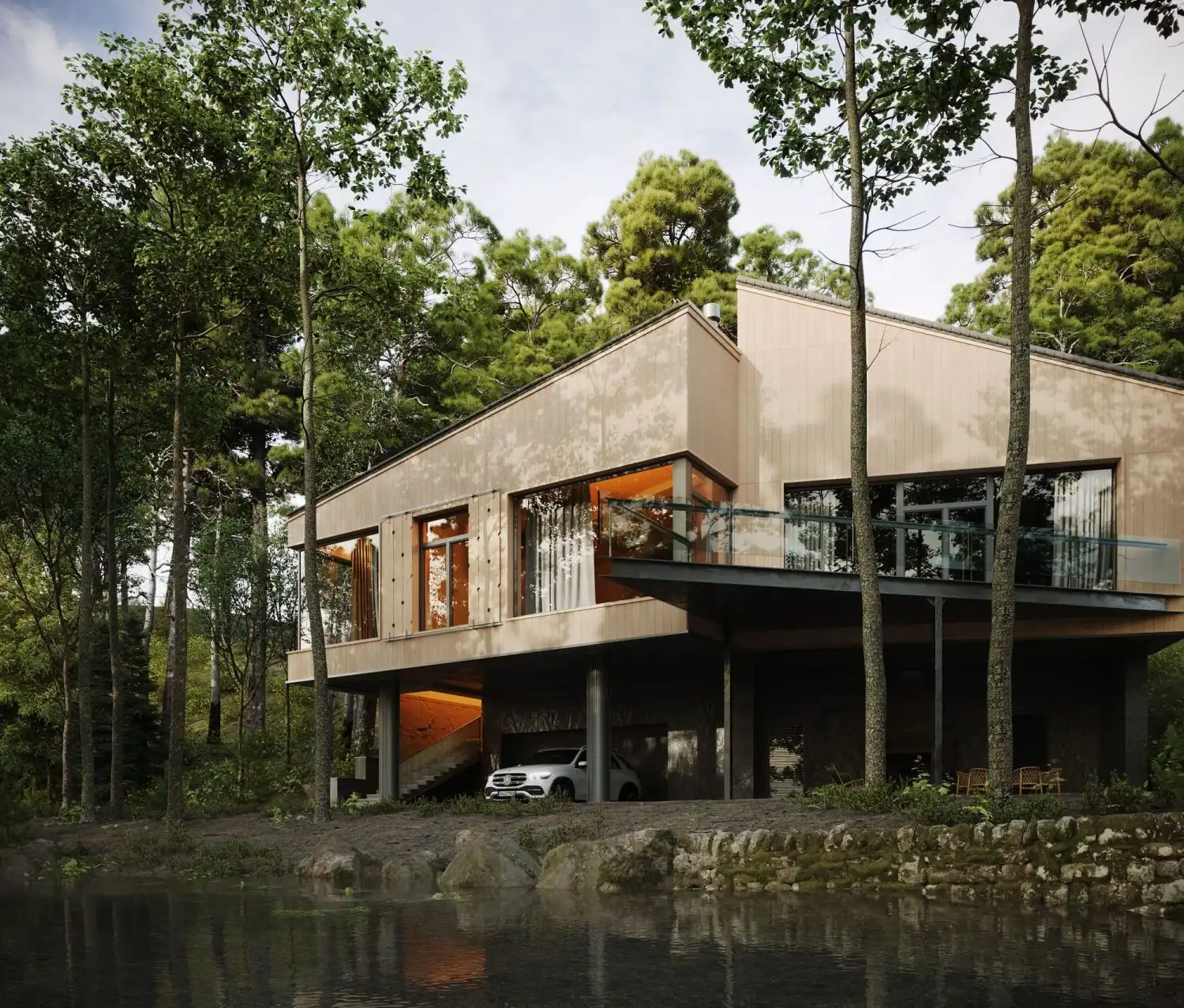
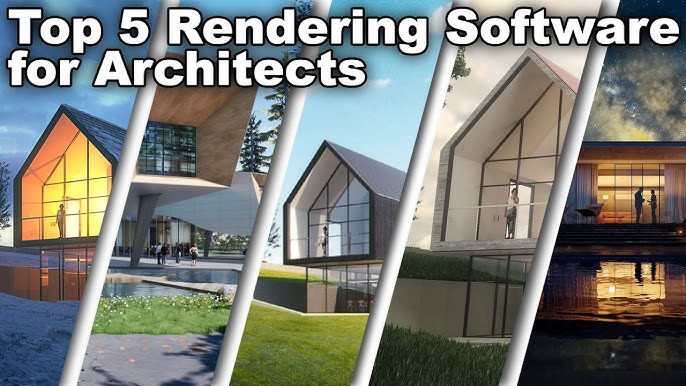
Exterior architectural rendering refers to the process of creating photorealistic digital images of the exterior parts of a building or structure. It combines artistic visualization and technical modeling, allowing architects and real estate professionals to present a design’s appearance under various lighting, material, and environmental conditions.
High-quality exterior renderings help communicate design intent effectively, showcasing how materials interact with sunlight, how shadows fall, and how the building fits into its environment. These renderings are created using advanced computer software that replicates real-world textures, reflections, and environmental effects.
Why Exterior Renderings Are Crucial for Modern Architecture
The role of rendering has evolved beyond visual aesthetics. Today, exterior renderings are key decision-making tools. Clients can visualize the design before a single brick is laid, ensuring greater satisfaction and reducing costly design changes later in the project.
For developers, exterior renderings can be used for marketing and pre-sales allowing them to promote a property while it’s still in development. This capability enhances buyer confidence, speeds up sales cycles, and helps secure investment funding more effectively.
Benefits of Using Exterior Architectural Rendering Technology
Enhanced Client Communication
Exterior renderings allow clients to understand the scale, proportion, and texture of a building design intuitively. This helps bridge the communication gap between technical drawings and client imagination. A well-rendered image ensures that every detail from window placement to façade color—can be discussed and refined early in the design process.
Accurate Visualization of Materials and Lighting
Modern rendering engines simulate light behavior with stunning accuracy. Architects can experiment with multiple finishes, colors, and textures in real time. For example, a client can see how stone, metal, or wood will appear under morning sunlight or evening ambient lighting, making material selection easier and more reliable.
Time and Cost Efficiency
Exterior renderings minimize revisions by providing a clear preview of the design outcome. They reduce the risk of misunderstandings and costly changes during construction, leading to more efficient project management and faster approvals.
Marketing and Branding Tool
Photorealistic renderings are a powerful marketing asset. Developers and architectural firms use these visuals in brochures, websites, and advertisements to attract investors or buyers. They also serve as impressive portfolio pieces for firms seeking to establish a professional brand identity.
Top Real-World Products for Exterior Architectural Rendering
Below are five high-performance rendering solutions widely used in professional architecture and design industries. Each tool offers unique strengths for creating stunning exterior visuals.
Autodesk 3ds Max
Autodesk 3ds Max remains one of the most dominant software platforms for architectural rendering professionals. Known for its flexibility and robust rendering engine, it allows users to build detailed 3D models and apply photorealistic materials and lighting.
The software supports integration with leading rendering engines such as V-Ray and Arnold, offering a balance between artistic control and computational precision. Architects use it to craft both still renderings and animated walkthroughs that bring exterior environments to life.
Use Case: Perfect for large-scale architectural firms handling complex exterior designs such as skyscrapers, mixed-use developments, or urban planning projects.
How to Buy: Autodesk offers subscription-based licenses on its official website. Interested users can choose from monthly, yearly, or multi-year plans according to project scale.
Lumion Pro
Lumion Pro is widely celebrated for its intuitive workflow and real-time rendering capabilities. It’s designed to help architects turn 3D models into immersive visuals with minimal technical effort. Users can easily import models from Revit, SketchUp, or Rhino and start applying realistic lighting, vegetation, and weather effects instantly.
The software’s strength lies in its massive asset library that includes materials, skies, trees, and even animated people and cars. This makes Lumion a popular choice for exterior renderings that need to feel alive and contextual.
Use Case: Ideal for smaller studios or independent architects who want quick, high-quality exterior presentations for clients or design competitions.
How to Buy: Lumion offers direct purchase options through their official sales page, with Pro and Standard editions depending on feature needs.
Enscape
Enscape is a real-time rendering and virtual reality plugin compatible with platforms like Revit, Rhino, and SketchUp. What makes it unique is its live rendering preview—allowing architects to make design changes and instantly visualize updates.
It’s highly efficient for presenting design progress during client meetings or for internal collaboration within architectural teams. With its easy navigation and quick rendering speeds, Enscape helps professionals maintain a fluid creative workflow.
Use Case: Excellent for architects who require seamless integration between modeling and rendering during the design development stage.
How to Buy: Enscape is available through a subscription-based model with flexible options for individual and enterprise use.
Twinmotion
Twinmotion offers a real-time 3D visualization experience powered by Unreal Engine. It focuses on simplicity, enabling users to drag and drop materials, lighting, and environmental effects effortlessly. The software delivers stunning visual output suitable for both static renders and dynamic animations.
With its strong synchronization capabilities, Twinmotion allows instant updates from modeling software, ensuring design changes are reflected in real time.
Use Case: Perfect for landscape architects or urban designers working on large exterior spaces such as parks, plazas, and infrastructure developments.
How to Buy: Twinmotion licenses can be obtained directly through the official Epic Games product page.
V-Ray
V-Ray by Chaos Group is one of the most powerful rendering engines available today. Known for its precision and photorealism, it integrates smoothly with numerous modeling platforms such as 3ds Max, SketchUp, Rhino, and Revit.
V-Ray allows artists to fine-tune every visual element, including global illumination, caustics, and texture detail. Its advanced lighting and shading tools make it the go-to solution for creating ultra-realistic exterior renderings that match real-world conditions.
Use Case: Best suited for high-end visualization studios that produce marketing-grade visuals and cinematic-quality exterior scenes.
How to Buy: V-Ray offers a subscription model through official distributors and Chaos Group’s online platform.
Real-World Applications and Problem Solving

Exterior architectural rendering is not just about visual beauty it solves critical problems in the architectural workflow.
- Improved Decision-Making: Stakeholders can make informed decisions early in the design stage. Instead of relying on 2D drawings, they can evaluate the design’s visual appeal and functionality.
- Risk Reduction: Renderings reveal potential design flaws or aesthetic inconsistencies before construction begins, saving time and money.
- Client Approval Acceleration: Renderings simplify communication between architects, clients, and construction teams, leading to faster project approval cycles.
- Sales Enablement: Developers use exterior renderings as sales tools for pre-construction marketing campaigns, giving potential buyers a lifelike impression of their future property.
How to Buy Rendering Services or Software
Purchasing exterior rendering software or hiring a rendering service depends on your project type and resources.
- Software Purchase: Professionals or firms looking to create renderings in-house can buy licenses from official brand websites such as Autodesk, Lumion, or Chaos Group. Choose between perpetual or subscription-based models depending on usage frequency.
- Outsourcing Rendering Services: Many architectural visualization studios offer full-service exterior renderings. These services can be more cost-effective for firms without internal 3D specialists.
For convenience, software platforms like Autodesk, Lumion, and Enscape provide online checkout systems with secure payment options.
The Future of Exterior Architectural Rendering
As technology advances, exterior rendering is evolving toward even greater realism and interactivity. Artificial intelligence, real-time ray tracing, and augmented reality integration are becoming standard features in modern visualization workflows.
Architects can now simulate seasonal changes, lighting behavior throughout the day, and even environmental sustainability factors all within their digital models. This level of detail empowers better design decisions and enhances the overall client experience.
Frequently Asked Questions (FAQ)
1. What is the difference between exterior and interior architectural rendering?
Exterior rendering focuses on visualizing the outer structure, including landscaping and environmental context. Interior rendering, on the other hand, highlights internal spaces such as rooms, materials, and lighting within the building.
2. How long does it take to create an exterior rendering?
Depending on project complexity and rendering quality, it can take anywhere from a few hours to several days. Real-time software like Lumion and Enscape significantly reduce this timeframe.
3. Why should architects invest in exterior rendering software?
Investing in professional rendering tools ensures higher project accuracy, client satisfaction, and faster approval cycles. It also provides a competitive edge in marketing and presentation efforts.