Modern House with Rooftop: Design Inspiration, Benefits, and Real Examples for 2025
A modern house with a rooftop is more than just a trend; it’s a lifestyle. Homeowners today are no longer satisfied with traditional structures; they want homes that reflect innovation, comfort, and sustainability. One of the most exciting ways to achieve that is by incorporating a rooftop space into a modern home design.
This type of architecture blends style, functionality, and environmental awareness, offering everything from outdoor lounges and gardens to solar-powered entertainment areas. Whether you live in an urban neighborhood or a suburban setting, a rooftop space adds tremendous value to your property and daily life.
In this article, we will explore what makes a modern house with a rooftop so appealing, its design advantages, technology integration, and real-world examples that showcase how beautiful and efficient these homes can be.
What Defines a Modern House with a Rooftop
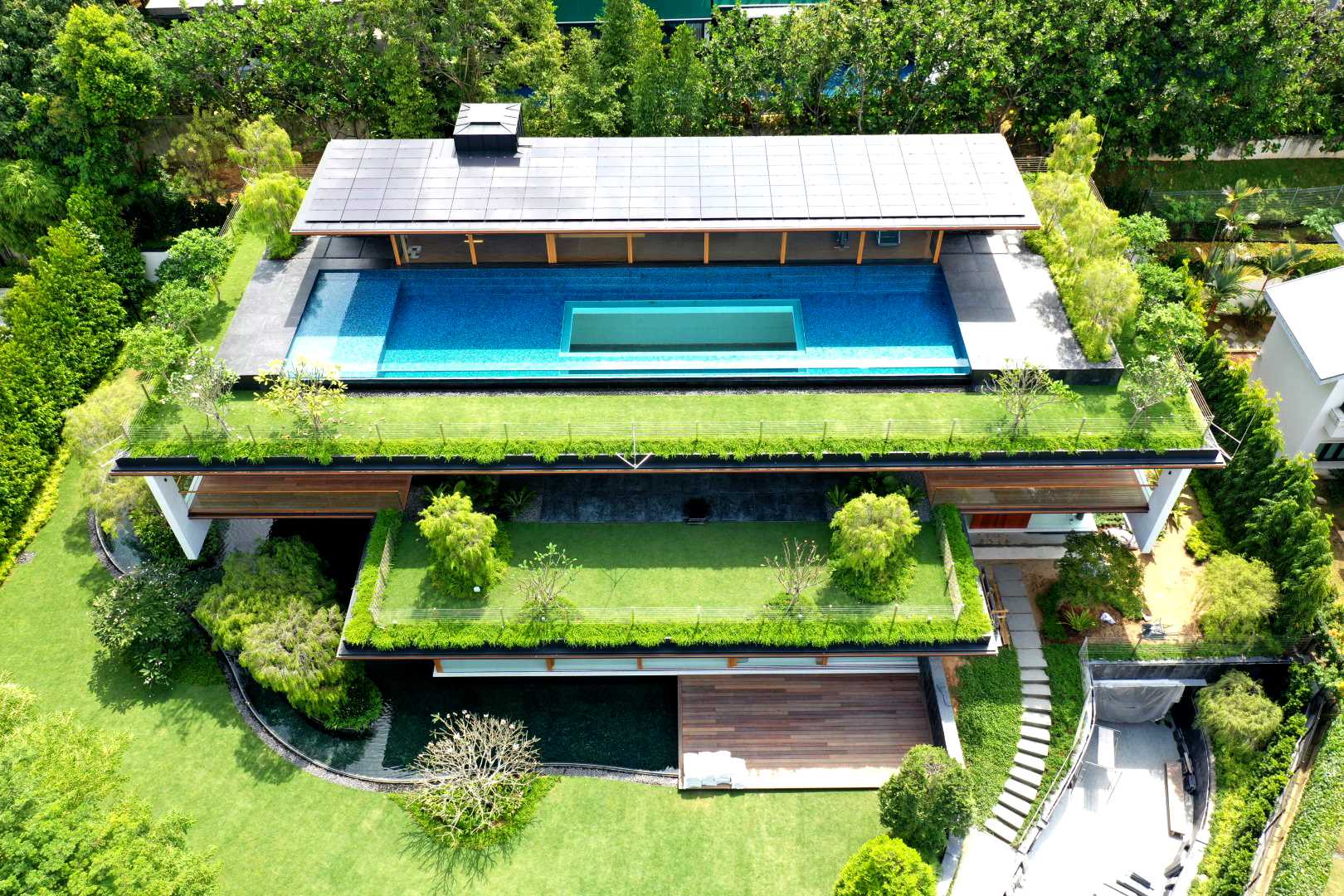
A modern house with a rooftop is designed with clean lines, minimalist architecture, and multi-purpose outdoor areas. The rooftop isn’t just decorative; it serves as a livable extension of your home.
Typically, these designs include energy-efficient materials, natural lighting, and smart home systems that enhance comfort while reducing energy consumption. Rooftop spaces can be designed for a variety of purposes gardening, socializing, relaxation, or even generating solar power.
Architectural Concept
Modern rooftop homes often feature open floor plans, floor-to-ceiling windows, and a seamless connection between indoor and outdoor living. The rooftop area is usually accessible through staircases or elevators and designed with durable materials like tempered glass, steel railings, and composite decking.
Functional Versatility
A rooftop area can serve as:
- A sky lounge for entertaining guests.
- A green space for planting herbs and flowers.
- A fitness area with an outdoor yoga space.
- Or even a solar-powered deck for sustainable energy generation.
This versatility is what makes rooftop homes increasingly popular among homeowners who value both luxury and practicality.
Benefits of a Modern House with a Rooftop
The advantages of having a rooftop space go far beyond aesthetics. Here are the key benefits that make this architectural style so appealing.
Enhanced Living Space
The rooftop area effectively expands your home’s usable square footage without requiring additional land. It provides a functional space that can be transformed into anything, an outdoor kitchen, a lounge, or even a small office with a view.
Energy Efficiency
Modern rooftop designs often include green roofs or solar panel systems, which help reduce heating and cooling costs. These features contribute to a sustainable and energy-efficient lifestyle, making your home eco-friendly and future-ready.
Better Ventilation and Lighting
By opening up vertical space, rooftop homes benefit from improved airflow and natural lighting. This reduces the need for artificial light during the day and keeps the interior temperature balanced throughout the year.
Privacy and Tranquility
In densely populated areas, a rooftop terrace offers a private retreat away from street noise. It becomes your personal sanctuary where you can unwind, meditate, or simply enjoy the view.
Increased Property Value
Homes with rooftop spaces tend to have higher resale values. Buyers view them as luxurious and forward-thinking designs that blend beauty and practicality.
Technological Integration in Modern Rooftop Homes
Technology plays a huge role in making modern rooftop homes both functional and sustainable.
Smart Home Systems
Many rooftop homes are integrated with smart lighting, automated irrigation systems, and app-controlled solar panels. These systems allow you to control temperature, lighting, and water usage remotely, optimizing efficiency and comfort.
Sustainable Roofing Materials
Modern builders now use eco-friendly materials such as recycled composites, reflective coatings, and waterproof membranes. These not only extend the roof’s lifespan but also regulate temperature and minimize energy consumption.
Solar and Battery Systems
Rooftop solar panels can power entire homes, reducing reliance on traditional electricity. Some systems even include battery storage for nighttime use, making your rooftop a source of clean, renewable energy.
Real-World Examples of Modern Houses with Rooftop
Here are five real-world examples that show how modern rooftop design can be executed beautifully and functionally.
The Urban Minimalist Rooftop Home
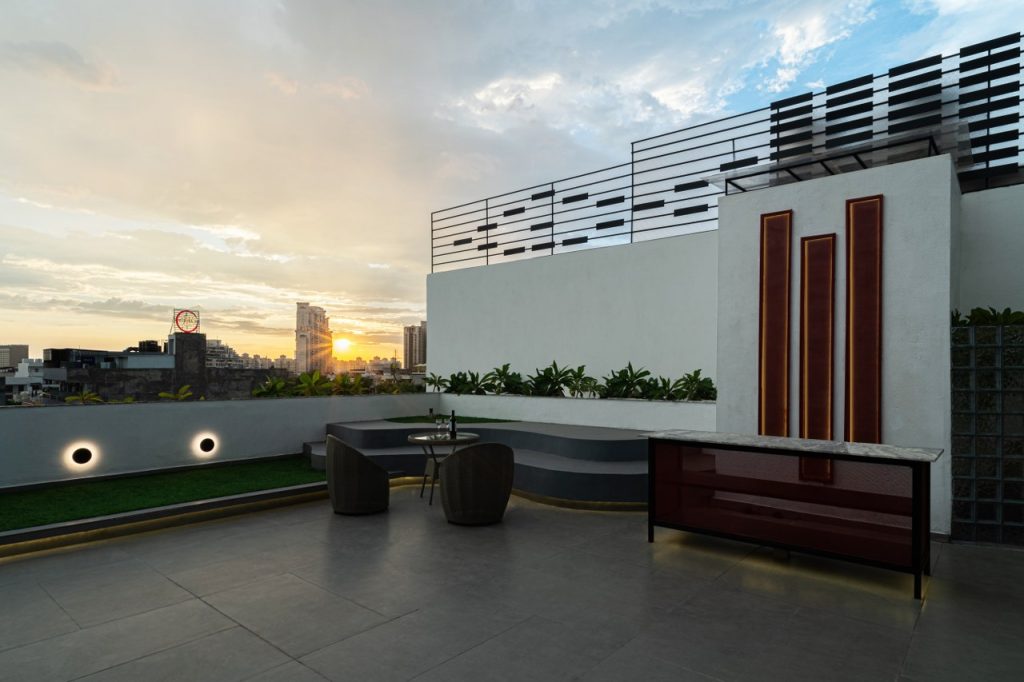
Located in Los Angeles, this minimalist rooftop home features clean white exteriors and floor-to-ceiling glass doors leading to a spacious rooftop lounge.
The design focuses on simplicity and balance, with the rooftop area used for both relaxation and entertainment. Equipped with solar panels and smart lighting, it demonstrates how technology and design can coexist seamlessly.
Benefit: Energy efficiency and privacy. The solar panels provide sustainable power while the enclosed rooftop offers an intimate outdoor setting in a busy city.
The Green Eco Rooftop House
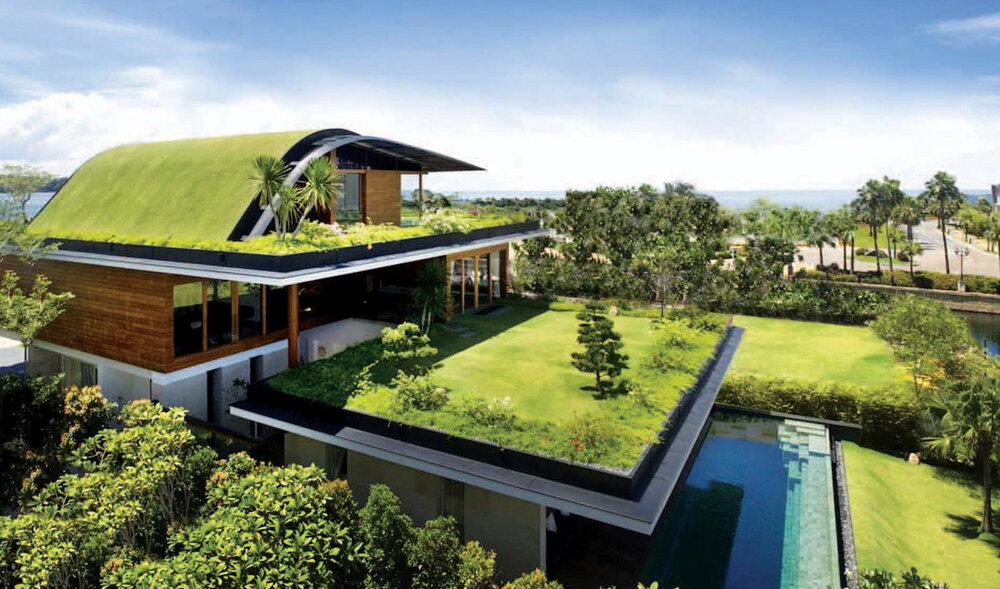
This eco-friendly home in Singapore integrates a lush rooftop garden filled with native plants. The greenery not only improves air quality but also acts as insulation, reducing indoor temperature naturally.
The owners also installed a rainwater harvesting system on the roof, demonstrating the power of combining design and sustainability.
Benefit: Lower energy bills and enhanced environmental performance. The home remains cool year-round without relying heavily on air conditioning.
The Smart Rooftop Villa
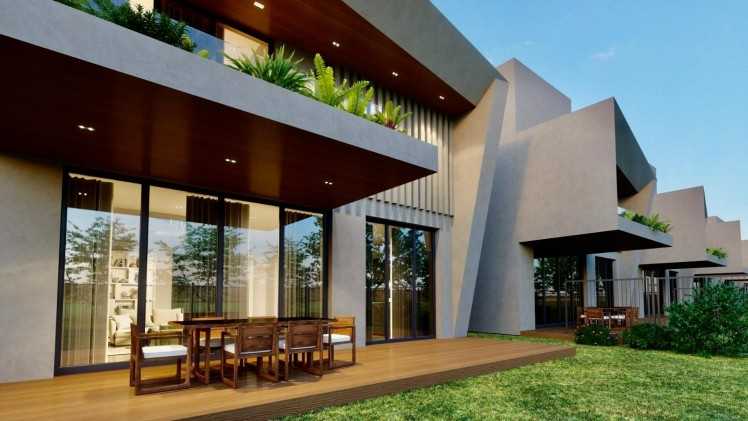
This villa, la located in Dubai, showcases advanced smart technology. The rooftop features an infinity pool, an automated retractable awning, and app-controlled lighting.
It’s an example of how luxury and innovation can transform a simple roof into a lifestyle centerpiece.
Benefit: Enhanced comfort and convenience. Homeowners can adjust the ambiance instantly via their smartphones, creating the perfect outdoor experience.
The Compact Rooftop Studio Home
Built for young professionals, this small but efficient rooftop house in Tokyo maximizes limited space. The rooftop doubles as an open-air workspace during the day and a relaxation area at night.
With foldable furniture and built-in lighting, it proves that even compact homes can enjoy the luxury of rooftop living.
Benefit: Space optimization. This design makes urban living more flexible and enjoyable, even in tight spaces.
The Luxury Waterfront Rooftop Residence
Situated in Miami, this home overlooks the ocean and features a rooftop entertainment deck complete with a mini bar and outdoor kitchen.
Its retractable glass enclosure allows year-round use, whether for stargazing in summer or cozy gatherings in cooler months.
Benefit: Multi-season usability and breathtaking aesthetics. The rooftop becomes a functional outdoor living area for all occasions.
Problems Solved by Rooftop Design
1. Limited Land Availability
In dense urban areas, expanding outward isn’t an option. A rooftop offers a vertical solution to gain extra living space without requiring additional land.
2. Lack of Outdoor Areas
Rooftops give homeowners the chance to enjoy outdoor experiences—gardening, barbecuing, or relaxing—even in cities where yards are rare.
3. Rising Energy Costs
By incorporating solar panels or green roofing, rooftop homes reduce energy bills and make use of renewable energy sources.
4. Urban Noise and Pollution
Elevated rooftop spaces naturally block noise and provide fresher air compared to street-level environments, offering a peaceful escape from city life.
How to Buy or Build a Modern House with a Rooftop
If you’re planning to buy or construct a rooftop home, here’s how to get started.
Choose the Right Location
Select an area with favorable zoning laws for rooftop construction. Urban and suburban locations with scenic views are ideal.
Hire a Specialized Architect
Work with architects experienced in rooftop design. They can optimize space, ensure safety, and include energy-efficient systems.
Use Sustainable Materials
Opt for durable materials like reinforced concrete, composite decking, and weather-resistant coatings to extend roof lifespan.
Integrate Smart Technology
Incorporate automation for lighting, irrigation, and climate control to make your rooftop more functional and efficient.
Plan for Maintenance
While rooftops add luxury, they require regular care. Schedule maintenance for waterproofing, solar systems, and green spaces.
Why You Need a Modern House with a Rooftop
A modern rooftop home is not just a design statement—it’s a smart investment in your future. It combines sustainability, technology, and lifestyle innovation into one living experience.
With rising property values and growing demand for eco-friendly homes, rooftop living is both a practical and aesthetic choice for 2025 and beyond.
Final Thoughts
A modern house with rooftop design represents the evolution of residential architecture—where innovation meets comfort. Whether it’s an eco-friendly garden, a luxurious entertainment deck, or a minimalist sky retreat, the possibilities are endless.
By combining technology, sustainable materials, and smart design, homeowners can create spaces that not only look stunning but also enhance the quality of life.
As we move further into 2025, the concept of rooftop living continues to redefine what it means to live modern, green, and inspired.
Frequently Asked Questions
1. Is it expensive to build a rooftop on a modern home?
It depends on materials, size, and design complexity. While the initial cost can be higher, the long-term benefits, like increased home value and energy efficiency, make it worth the investment.
2. Can I install solar panels on my rooftop home?
Yes, most modern rooftop homes are ideal for solar systems. They maximize sunlight exposure and help reduce electricity costs.
3. Are rooftop homes safe in bad weather?
Absolutely. Modern construction uses durable, weather-resistant materials and proper drainage systems to ensure safety and comfort year-round.