Professional Architectural Exterior Rendering for Modern Design Projects
The modern architecture and real estate industries have evolved dramatically over the last decade. One of the most transformative developments has been architectural exterior rendering, a powerful digital visualization tool that enables architects, designers, and developers to create lifelike visualizations of building exteriors before they are even built.
These renderings blend technology and artistry, producing images so realistic that clients can visualize how a building will look in its final environment. For architectural firms and real estate developers, this technology has become essential not just for presentation, but for communication, marketing, and project approval.
Understanding Architectural Exterior Rendering
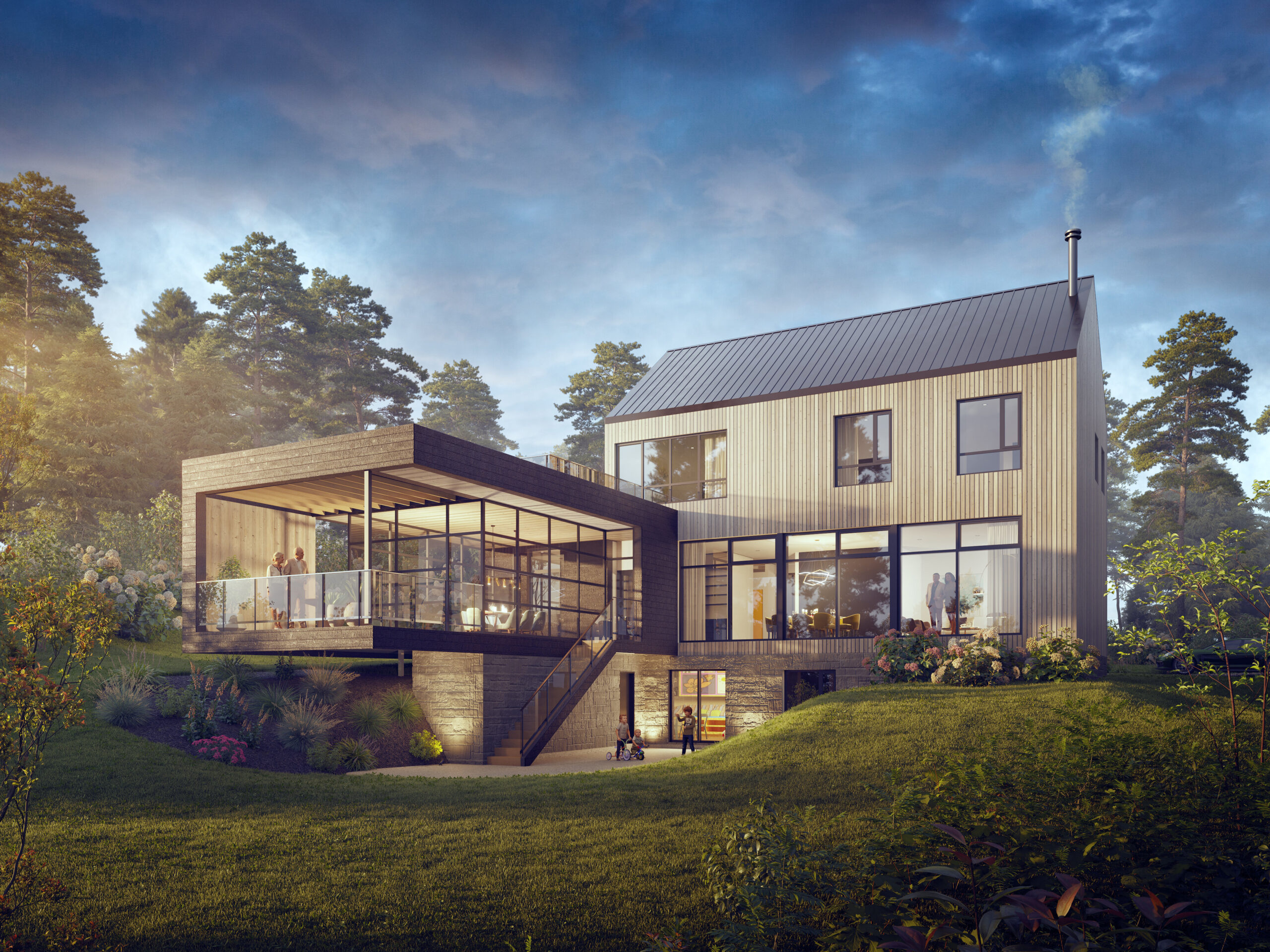
Architectural exterior rendering is the process of creating digital, photorealistic images of a building’s outer structure using specialized computer software. It involves transforming 3D models into detailed visualizations that display textures, materials, lighting, landscaping, and environmental conditions.
Renderings help communicate the visual intent of a project. Instead of abstract blueprints, clients see realistic perspectives that represent the finished building. From residential homes to large commercial complexes, exterior rendering allows all stakeholders—architects, investors, contractors, and clients—to share a common vision of the end product.
Modern exterior rendering tools simulate natural light, reflections, weather, and shadows to create images nearly indistinguishable from real photography. This technology helps identify potential design issues, optimize material selections, and streamline the overall planning process.
Why Architectural Exterior Rendering Matters
In traditional architecture, communication gaps often arise between technical drawings and client understanding. Exterior rendering bridges this gap by providing a clear visual narrative. A single well-rendered image can communicate complex design concepts that would otherwise require dozens of technical drawings.
Beyond visualization, these renderings have strategic importance for business and marketing. Real estate developers, for instance, use them in promotional materials, websites, and brochures to attract investors or buyers long before construction begins. This accelerates project sales and funding opportunities.
For design professionals, renderings are also a tool of persuasion. They enable architects to present concepts with emotional impact—helping clients not only understand a design but feel its atmosphere and context.
The Benefits of Architectural Exterior Rendering
Realistic Visualization
Architectural exterior rendering brings projects to life with unmatched realism. Clients can see how sunlight interacts with different façade materials or how shadows move across a building throughout the day. This realism helps stakeholders make confident design decisions early on.
For instance, changing the color or texture of a façade can be instantly previewed in the digital model. This flexibility reduces guesswork, allowing both architects and clients to explore creative variations efficiently.
Improved Client Communication
Renderings eliminate ambiguity in the design process. Clients who may struggle to interpret 2D plans can easily grasp 3D rendered visuals. This strengthens communication, enhances collaboration, and minimizes misunderstandings during project discussions.
By presenting renderings in meetings, architects can guide clients through the design story, explaining the rationale behind each element—from window placement to landscape integration—more effectively than with technical drawings alone.
Cost and Time Efficiency
Revisions in physical construction are expensive. Renderings minimize those risks by identifying visual and spatial issues in the digital stage. This proactive visualization ensures design accuracy before material procurement or site preparation begins.
Additionally, with advanced rendering software offering real-time previews, the turnaround time for design updates has drastically shortened. Architects can modify elements on the fly and instantly view results, saving valuable project time.
Marketing and Branding Advantage
High-quality architectural renderings serve as marketing assets. Real estate agencies use them to promote properties still under development, while design firms use them in portfolios and proposals to attract clients. A beautifully rendered image can elevate a firm’s brand image, showcasing professionalism and design capability.
Integration with Emerging Technologies
Modern rendering tools now integrate with virtual reality (VR) and augmented reality (AR), enabling clients to “walk through” their projects before they are built. This immersive experience boosts engagement and provides deeper insight into design functionality and aesthetics.
Leading Software and Tools for Architectural Exterior Rendering
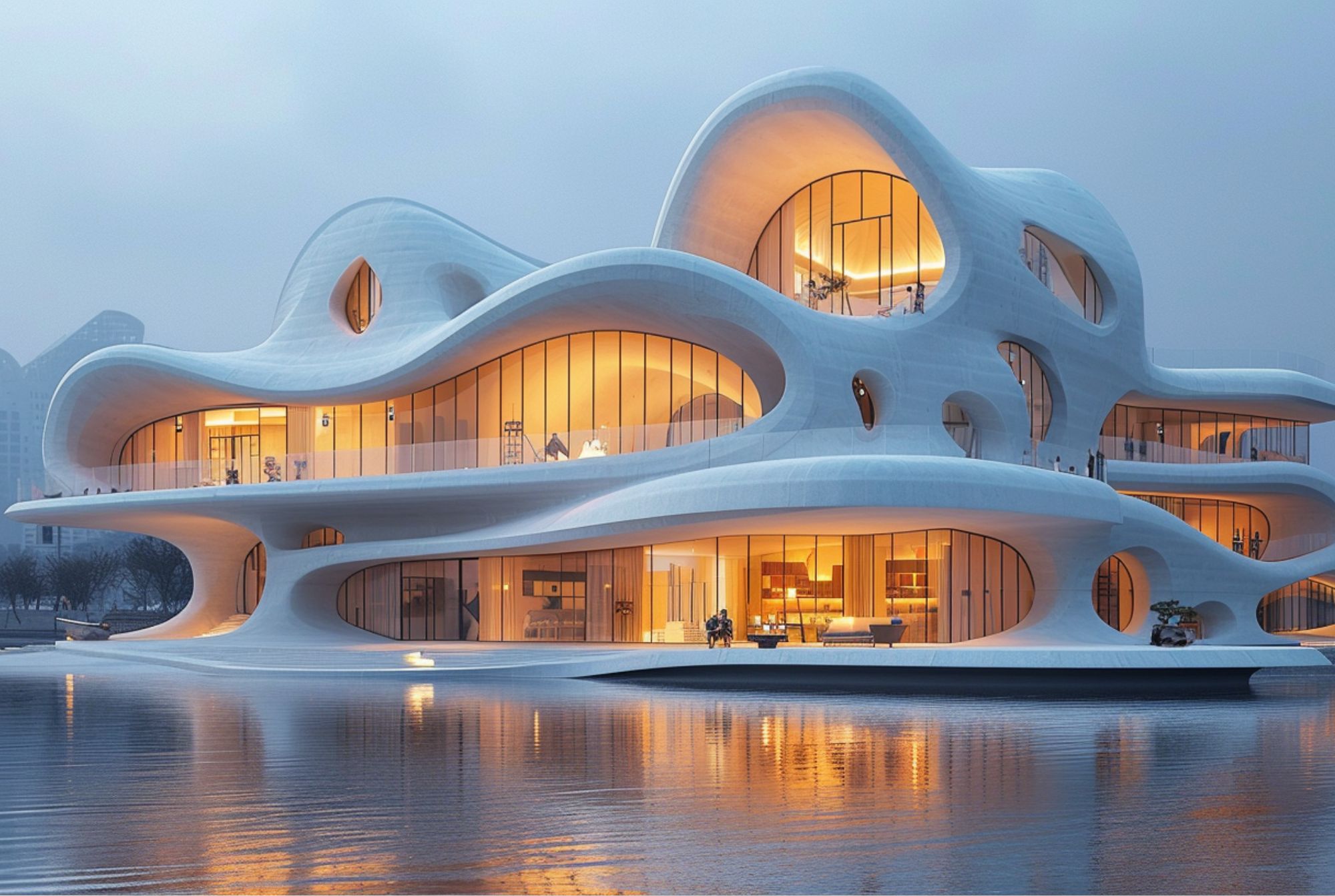
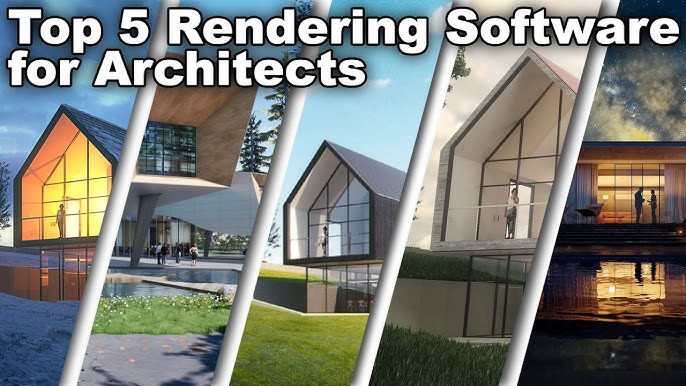
Architectural exterior rendering depends heavily on the tools used to produce visuals. Below are five of the most respected and widely used software products in professional rendering workflows. Each combines robust features, ease of use, and superior output quality.
Autodesk 3ds Max
Autodesk 3ds Max is one of the oldest and most reliable 3D rendering platforms in architecture. Its power lies in its flexibility and compatibility with advanced rendering engines like Arnold and V-Ray. The software enables professionals to create intricate 3D models, apply textures, and control lighting scenarios with precision.
With its procedural modeling and animation tools, 3ds Max allows architects to produce still images, animations, and flythrough videos that showcase design intent vividly. Its integration with Building Information Modeling (BIM) workflows also enhances efficiency across design teams.
Use Case: Large architectural firms often use 3ds Max for commercial or institutional projects where intricate detailing and advanced lighting effects are essential.
How to Buy: Autodesk offers flexible subscription-based plans tailored for professionals. Users can download a trial version and later switch to a full license through official sales channels.
Lumion Pro
Lumion Pro is renowned for its intuitive interface and speed. It’s a rendering solution that allows users to transform 3D models into visually stunning renderings in minutes. Its drag-and-drop environment lets architects experiment with lighting, weather, materials, and landscaping without needing complex technical skills.
Lumion’s vast library of prebuilt materials, vegetation, and objects makes it particularly effective for exterior projects where environmental realism is crucial. The ability to render images, videos, and even panoramic views ensures that presentations are engaging and client-ready.
Use Case: Ideal for small studios or individual architects who want to produce quick yet high-quality exterior visualizations without the steep learning curve.
How to Buy: Lumion can be purchased directly through the manufacturer’s online store, offering both standard and professional editions.
Enscape
Enscape stands out for its real-time rendering and virtual reality integration. As a plugin for popular modeling tools like Revit, SketchUp, and Rhino, it allows designers to see immediate updates to design changes without long rendering wait times.
The software supports live synchronization, meaning any modification made in the 3D model is instantly reflected in the rendering. This feature greatly enhances collaboration between design teams and clients during presentations.
Use Case: Enscape is commonly used in design development phases where iterative design feedback is crucial, such as residential or corporate architecture projects.
How to Buy: The company provides flexible monthly and annual subscription options suitable for both individuals and large organizations.
Twinmotion
Developed with Unreal Engine technology, Twinmotion offers an incredibly dynamic and interactive rendering experience. Its real-time environment allows architects to create photorealistic images, animations, and immersive VR scenes with ease.
Users can modify lighting conditions, materials, and landscaping instantly, enabling rapid design exploration. Twinmotion’s synchronization with software like Archicad and Revit ensures seamless project updates, reducing redundant workflows.
Use Case: Perfect for landscape architects, urban planners, or designers working on large-scale exterior environments such as parks or public spaces.
How to Buy: Twinmotion is available as a licensed product through its official retail channels and comes with regular updates and technical support.
V-Ray
V-Ray by Chaos Group is considered the industry standard in rendering for both realism and control. Its advanced ray-tracing technology replicates how light interacts with materials in real life, resulting in unmatched photorealism.
V-Ray’s deep customization options allow professionals to adjust every parameter—from global illumination to material reflection and refraction—producing visuals that rival real photography. It also integrates seamlessly with modeling software like 3ds Max, Rhino, and SketchUp.
Use Case: Highly suitable for architectural visualization studios focused on producing high-end marketing images and cinematic-quality exterior renders.
How to Buy: V-Ray licenses can be purchased as individual or enterprise subscriptions, with flexible pricing depending on user requirements.
Real-World Applications and Use Cases
Architectural exterior rendering provides practical value across multiple stages of project development:
- Design Validation: Renderings help architects test design ideas in realistic settings. They can visualize how materials respond to light or how a building fits into its surrounding environment.
- Client Approvals: Instead of explaining complex blueprints, architects can present a rendered image that speaks for itself, speeding up approval cycles.
- Pre-Construction Marketing: Developers can market unbuilt properties effectively through realistic images that attract investors and buyers.
- Sustainability Simulation: Some renderers can simulate sunlight and shadow studies, helping optimize energy efficiency in building designs.
By identifying design flaws and improving communication early, renderings significantly reduce project risks and ensure smoother execution once construction begins.
How to Buy Architectural Rendering Software or Services
Purchasing rendering software depends on whether a company intends to render in-house or outsource to a visualization studio.
- For In-House Teams: Choose software that integrates well with existing modeling platforms (such as Revit or SketchUp). Subscription-based licenses from Autodesk, Chaos Group, or Lumion provide flexibility for professional use.
- For Outsourced Services: Architectural visualization firms offer professional rendering packages tailored to project size and budget. This option suits smaller studios that prefer not to invest in dedicated rendering hardware.
The Future of Architectural Exterior Rendering
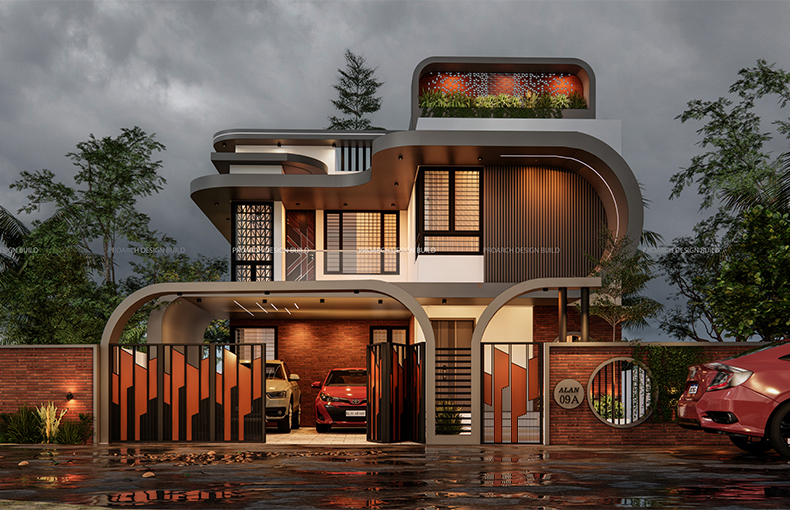
Rendering technology is advancing at an extraordinary pace. Artificial intelligence is being incorporated to automate tasks like material selection, lighting optimization, and texture mapping. Meanwhile, real-time ray tracing and cloud rendering solutions are making photorealistic output faster and more accessible.
The future will likely see deeper integration between rendering tools and VR platforms, enabling fully immersive design experiences. Clients will not just view renderings—they will explore them as though walking through the finished building.
As rendering becomes increasingly precise and affordable, it will continue to transform how architecture is presented, understood, and marketed globally.
Frequently Asked Questions (FAQ)
1. What is the difference between architectural rendering and architectural visualization?
Rendering refers to the final process of generating realistic images from 3D models, while visualization encompasses the broader concept, including modeling, texturing, lighting, and animation used to create the final presentation.
2. How long does an exterior rendering take to produce?
Depending on project complexity, it can take anywhere from a few hours to several days. Real-time renderers like Lumion or Enscape significantly reduce turnaround times compared to traditional offline rendering methods.
3. Why is architectural exterior rendering important for real estate development?
Because it enables developers to market properties before they are built, attracting potential investors and clients early. It also ensures design accuracy and enhances communication between all project stakeholders.