Real Estate Rendering Services: The Ultimate Guide to Photorealistic Property Visualization
The world of property development has evolved rapidly, and in today’s highly competitive real estate market, visualization is everything. Before the first brick is laid, potential investors and buyers expect to see how a property will look, feel, and function. This is where real estate rendering services step in transforming basic design concepts into lifelike visuals that captivate, persuade, and sell.
This comprehensive guide explores what real estate rendering is, why it matters, its technological benefits, the best tools and software used in the industry, how to buy them, and how real-world developers are using them to solve key business challenges.
Understanding Real Estate Rendering
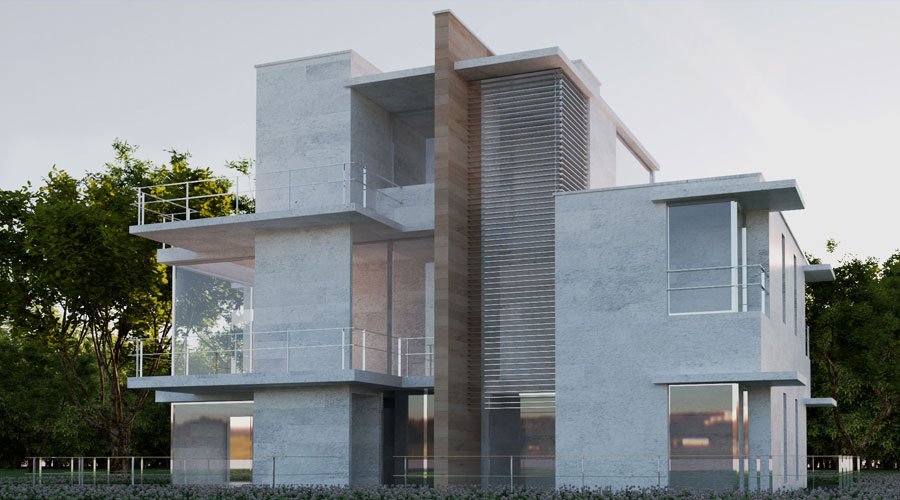
Real estate rendering is the process of creating photorealistic digital images or animations of a property before it physically exists. It involves combining architectural plans, 3D modeling, texturing, lighting, and environmental effects to produce visuals that look as close to real life as possible.
Unlike traditional blueprints or technical drawings, renderings make it easy for anyone, buyers, investors, or stakeholders to visualize the final product. This visual clarity has transformed how real estate is marketed, financed, and approved.
There are several types of real estate renderings:
- Exterior renderings depict the outer structure, surroundings, and landscape of a property.
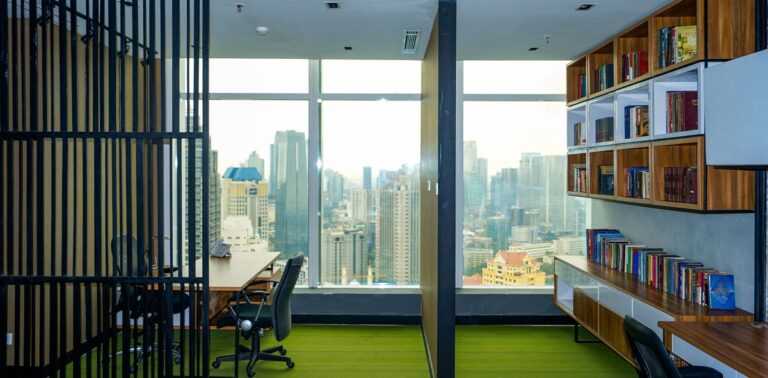
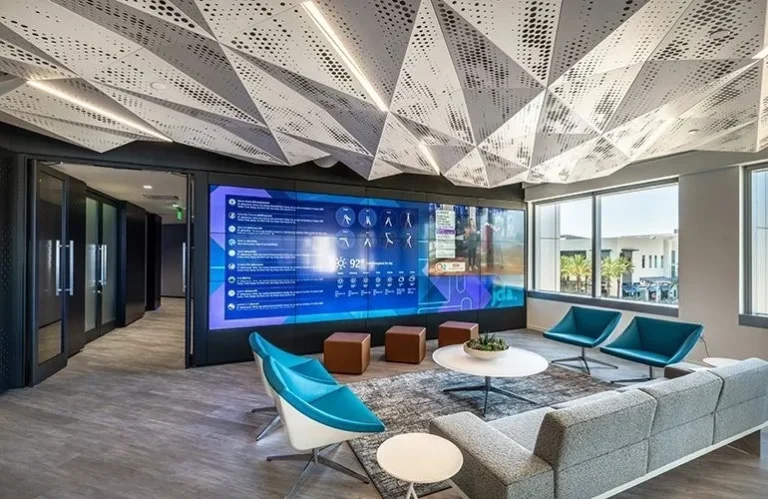
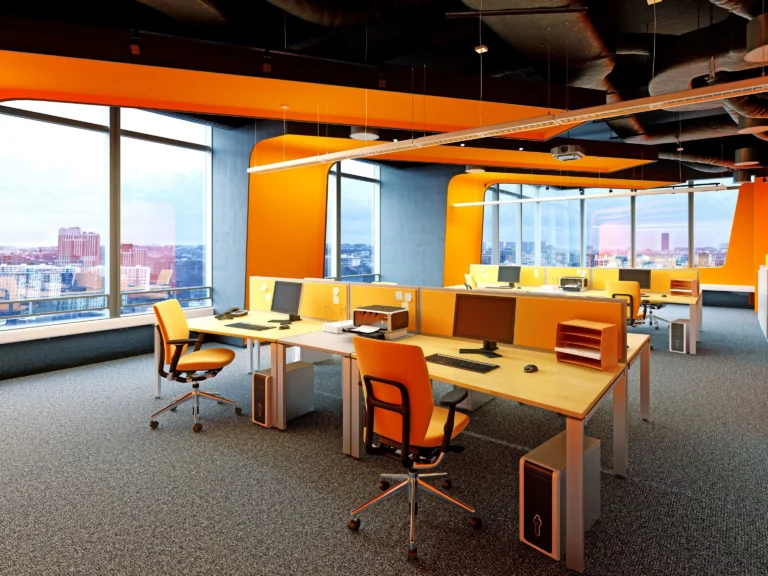
- Interior renderings show how rooms, furniture, and lighting interact inside a space.
- Aerial renderings, useful for showcasing master plans, resorts, and large developments.
- 360-degree or virtual walkthroughs, which allow interactive exploration of unbuilt spaces.
Through these renderings, developers and architects can communicate their design vision accurately and build confidence with investors and buyers alike.
Why Real Estate Rendering Matters
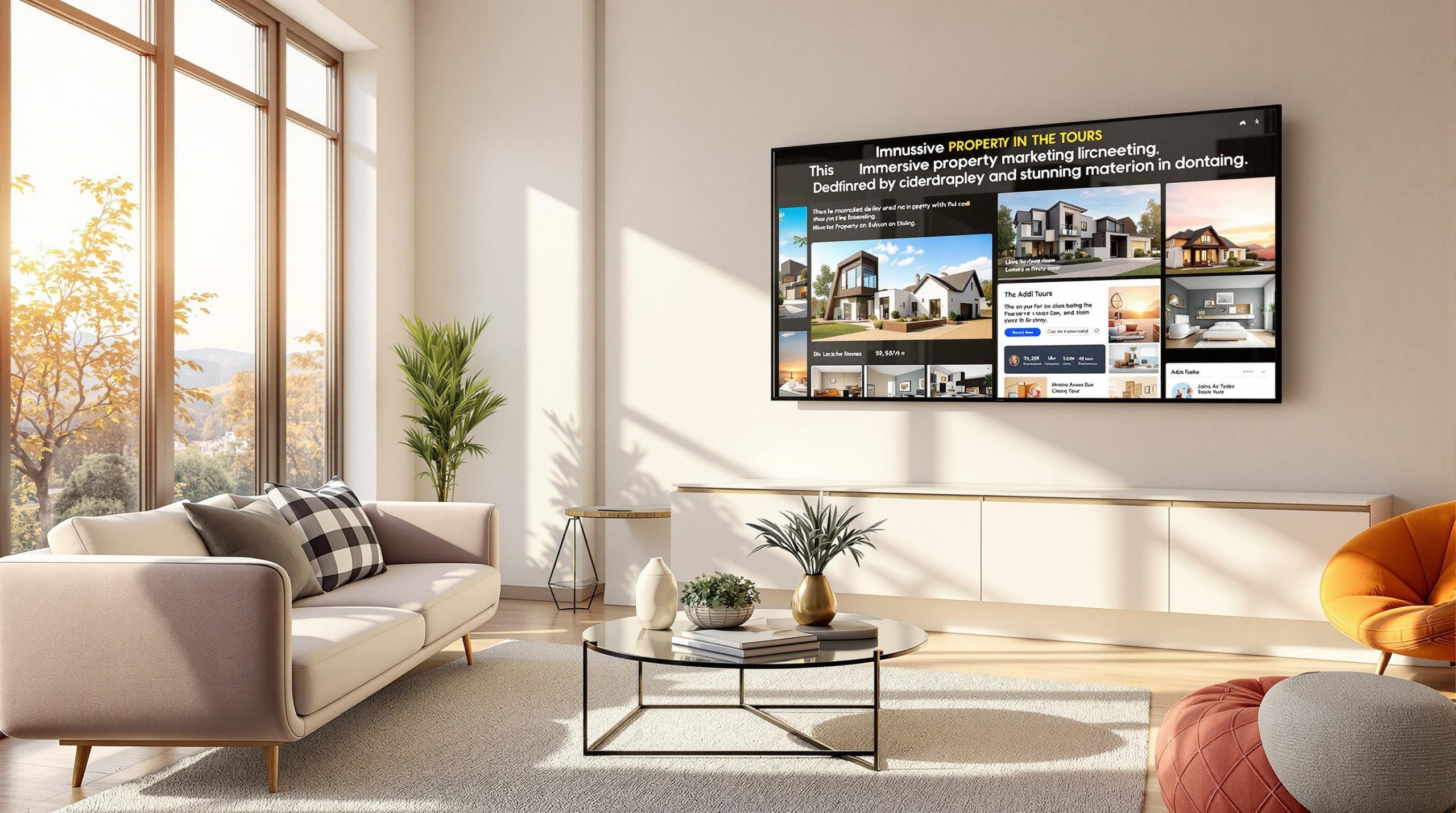
In real estate marketing, visuals play a crucial role in persuasion. A stunning image can inspire confidence, build desire, and accelerate purchase decisions. Here’s why real estate rendering services have become indispensable:
1. Effective Pre-Sales and Marketing
High-quality renderings help developers sell properties before construction begins. They serve as the centerpiece for brochures, websites, and advertising campaigns. Potential buyers are far more likely to commit when they can vividly imagine living or investing in the property.
2. Improved Investor and Stakeholder Confidence
Investors often rely on visuals to evaluate potential returns. A lifelike render provides assurance that the project is well-designed and feasible, reducing hesitation and improving approval rates.
3. Design Accuracy and Early Problem Detection
Renderings reveal design flaws, lighting issues, or material inconsistencies before the construction phase. By catching these problems early, developers can save substantial costs associated with on-site corrections.
4. Enhanced Brand Image and Differentiation
A well-rendered project communicates professionalism and attention to detail. It sets a developer apart from competitors who still rely on 2D plans or sketches, building a premium perception around their brand.
5. Regulatory and Client Approvals
City councils, clients, and partners are more likely to approve a project when they can clearly visualize it. Renderings bridge the communication gap between technical drawings and real-world imagination.
Benefits of Using Real Estate Rendering Technology

The technology behind rendering has advanced tremendously. What once took days now takes hours, thanks to powerful GPUs and real-time rendering engines. The benefits of using modern rendering technology go beyond visuals—they influence workflow efficiency, decision-making, and business growth.
Faster Design Iterations
Real-time rendering engines allow designers to test materials, lighting, and textures instantly. This means quicker experimentation and shorter turnaround times. Developers no longer need to wait days for render updates—they can make visual decisions during live client meetings.
Cost Reduction and Efficiency
By resolving design and material issues before construction, teams reduce waste, rework, and delays. Renderings act as a virtual prototype, preventing costly mistakes.
Realistic Marketing Assets
High-resolution images, video animations, and 360-degree tours can be used across multiple platforms: websites, print media, billboards, and virtual sales offices. These assets communicate a lifestyle, not just a building.
Improved Collaboration
Rendering software allows architects, designers, and clients to work from the same visual reference. This clarity eliminates misunderstandings that often occur with technical documents or CAD drawings.
Enhanced Buyer Experience
For buyers, seeing is believing. Renderings allow them to emotionally connect with a property before it exists. A realistic visual gives them confidence in their investment, increasing conversion rates.
Top Real-World Software for Real Estate Rendering

Here are five of the most effective tools and services widely used by professionals in the real estate visualization industry. Each serves a different purpose, from exterior environment creation to full interior walkthroughs.
Lumion Pro
Overview:
Lumion Pro is a popular real-time rendering tool used by architects and real estate professionals to create highly detailed exterior and interior scenes. It integrates seamlessly with modeling tools like SketchUp, Revit, and Rhino.
Key Strengths:
- Real-time rendering and fast scene updates.
- Massive built-in asset library (trees, people, vehicles, furniture, lighting).
- Ideal for both architectural visualization and property marketing.
Problems Solved:
Developers often face delaysins producing promotional visuals. Lumion eliminates these bottlenecks with real-time feedback, reducing production cycles from weeks to days.
Use Case:
A property developer launching a high-rise residential tower can use Lumion to create sunset exterior renderings and landscape fly-through videos. These assets can be used for brochures, social media, and pre-sales marketing.
Buying Information:
Lumion can be purchased through authorized resellers or directly from the vendor. Ensure your workstation has a strong GPU and enough VRAM for optimal performance.
D5 Render
Overview:
D5 Render is a next-generation real-time rendering platform that combines AI-driven lighting optimization with cinematic quality output. It is designed for both architects and real estate marketers who need speed and realism.
Key Strengths:
- AI-enhanced global illumination.
- Easy synchronization with Revit, SketchUp, and Blender.
- Intuitive user interface suitable for quick iterations.
Problems Solved:
Traditional render pipelines require manual setup and long processing times. D5 Render’s real-time engine reduces rendering time drastically while maintaining photorealistic results.
Use Case:
A design agency creating visuals for a luxury villa development uses D5 Render to generate multiple façade options in different lighting conditions—daylight, evening, and night—helping clients make faster design decisions.
Buying Information:
The software is available through licensed distributors. Before purchase, check hardware compatibility, as D5 performs best on high-performance graphics cards.
Terragen Professional
Overview:
Terragen is a specialized rendering software used for generating realistic terrains, skies, and natural landscapes. For real estate developers working on resorts, hillside villas, or masterplan projects, Terragen creates realistic environmental contexts.
Key Strengths:
- Advanced control over terrain, atmosphere, and weather.
- Perfect for visualizing large outdoor environments.
- Supports photorealistic light scattering and reflections.
Problems Solved:
Most architectural tools struggle with large-scale landscapes. Terragen fills that gap, enabling developers to show how buildings integrate into their natural surroundings.
Use Case:
A coastal resort developer uses Terragen to render aerial views showing villas along the shoreline, complete with accurate sunlight, clouds, and ocean reflection—perfect for luxury marketing campaigns.
Buying Information:
Terragen licenses are available through professional 3D software distributors. Ensure your system supports high memory loads for rendering large outdoor scenes.
Lumion Pro 12.5 Full Version
Overview:
This version of Lumion offers upgrades in material realism, lighting, and weather effects. It’s ideal for teams needing cinematic-quality visuals and animations for marketing and stakeholder presentations.
Key Strengths:
- 4K output support for marketing campaigns.
- Advanced weather, reflection, and material simulation.
- Compatible with VR presentation setups.
Problems Solved:
Developers can instantly create animated walkthroughs without requiring complex video post-production. It bridges the gap between architecture visualization and cinematic storytelling.
Use Case:
A marketing agency uses Lumion 12.5 to produce a full fly-through video of a new condominium, including street-level traffic, people, and ambient sounds for promotional use.
Buying Information:
Available via licensed distributors or direct purchase. Requires professional-grade hardware (RTX or similar GPU) for smooth performance.
3D Modeling & Rendering Services for Real Estate Projects
Overview:
For developers without an in-house visualization team, outsourcing rendering services is a cost-effective alternative. Specialized firms provide modeling, texturing, lighting, and rendering as a complete package.
Key Strengths:
- Professional expertise without the need for internal resources.
- Custom outputs (stills, animations, virtual tours).
- Flexible pricing based on scope and quality.
Problems Solved:
Not all real estate firms can afford full-time 3D artists or high-end software. Outsourced services provide professional-grade visuals at predictable costs.
Use Case:
A small developer hires an external rendering service to create visuals for a suburban townhouse project. The deliverables include exterior renders, interior mood shots, and marketing animations—ready for brochures and online listings.
Buying Information:
Before hiring, review the provider’s portfolio, turnaround time, pricing structure, and revision policy. Clarify image ownership rights in the contract.
How to Buy Real Estate Rendering Tools or Services
- Define Your Purpose:
Determine whether you need software for in-house visualization or an outsourced service. Software is ideal for frequent projects; services are better for one-time developments. - Set a Budget:
Rendering costs vary. Software may require a license fee or subscription, while outsourcing is priced per image or animation. - Check Compatibility:
Ensure the software integrates with your existing modeling tools like SketchUp, Rhino, or Revit. - Review Technical Requirements:
Rendering requires strong GPUs, sufficient RAM, and fast storage. If your current hardware can’t handle it, consider cloud rendering options. - Verify Vendor Credibility:
Always purchase from certified distributors or verified software companies to ensure license authenticity and technical support. - Training and Integration:
Once purchased, allocate time for your team to learn the tool. For outsourced services, maintain clear communication channels for revisions and updates.
Detailed Use Cases and Problems Solved
1. Pre-Sales Marketing for a High-Rise Development
A developer begins promoting a condominium before construction starts. Using real estate renderings, they produce exterior dusk images, aerial perspectives, and interior amenity views. These visuals are used across brochures and social media, allowing units to sell faster even before ground-breaking.
2. Material and Lighting Decisions for a Commercial Building
An architecture firm needs to present multiplefaçadese and lighting options to a client. Rendering software enables them to visualize three different material combinations in day and night scenes, helping finalize decisions without expensive prototypes.
3. Resort and Landscape Visualization
For a resort on a hillside, realistic landscape integration is essential. Terragen or Lumion can simulate the terrain, foliage, and lighting environment, giving investors a real sense of how the resort blends with its surroundings.
4. Real Estate Agency Marketing Off-Plan Properties
An agency uses rendering services to market properties still under construction. The rendered visuals show interiors, furnishings, and neighborhood environments, helping clients imagine their future homes.
5. Investor Presentations for Large Developments
A property development firm preparing to secure funding uses real-time rendering software to create interactive walkthroughs. Investors can explore the building virtually, which leads to faster decision-making and approval.
Final Thoughts
Real estate rendering is no longer a luxury; it’s a necessity for developers, architects, and marketers aiming to compete in today’s digital-first property industry. High-quality visuals bridge the gap between concept and reality, transforming imagination into sales.
By investing in the right rendering software or professional services, real estate businesses can improve design communication, reduce risk, and accelerate pre-sales. Whether using Lumion, D5 Render, Terragen, or a specialized rendering studio, the goal remains the same: create visuals so lifelike that buyers can already see themselves living there before construction even begins.
Frequently Asked Questions (FAQ)
1. What is the main purpose of real estate rendering?
Real estate rendering brings design concepts to life before they’re built. It helps communicate the vision clearly to investors, buyers, and regulatory bodies while boosting sales and marketing performance.
2. How long does it take to produce a real estate rendering?
It depends on complexity. Simple renders may take a few hours, while complex scenes with landscaping, interior details, and animation can take days or weeks. Real-time rendering tools can significantly speed up this process.
3. Do I need expensive hardware to use rendering software?
Powerful hardware is recommended, but not always mandatory. Many tools offer cloud or hybrid rendering options. For real-time rendering, a GPU with at least 8 GB of VRAM and sufficient RAM is ideal.