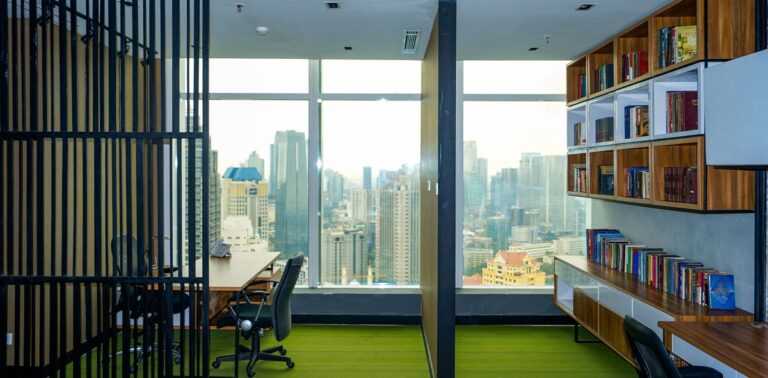
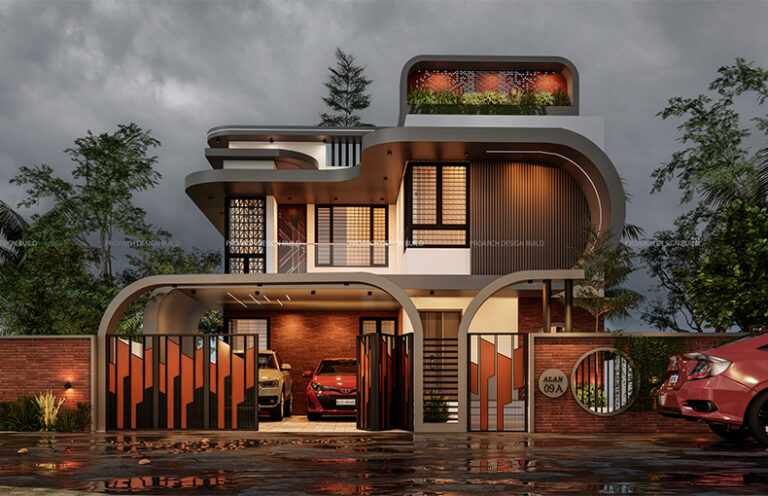
Top Commercial Architecture Firms for Modern Office Spaces
Designing a modern commercial building is more than just construction; it’s about creating a space that enhances productivity, represents brand identity, and ensures sustainability. Commercial architecture firms play a vital role in shaping such work environments that blend aesthetics with functionality.
This article explores how professional commercial office architects deliver high-performance designs, highlights leading firms, and explains the benefits, technologies, and real-world examples that demonstrate their value.
Understanding Commercial Architecture Firms
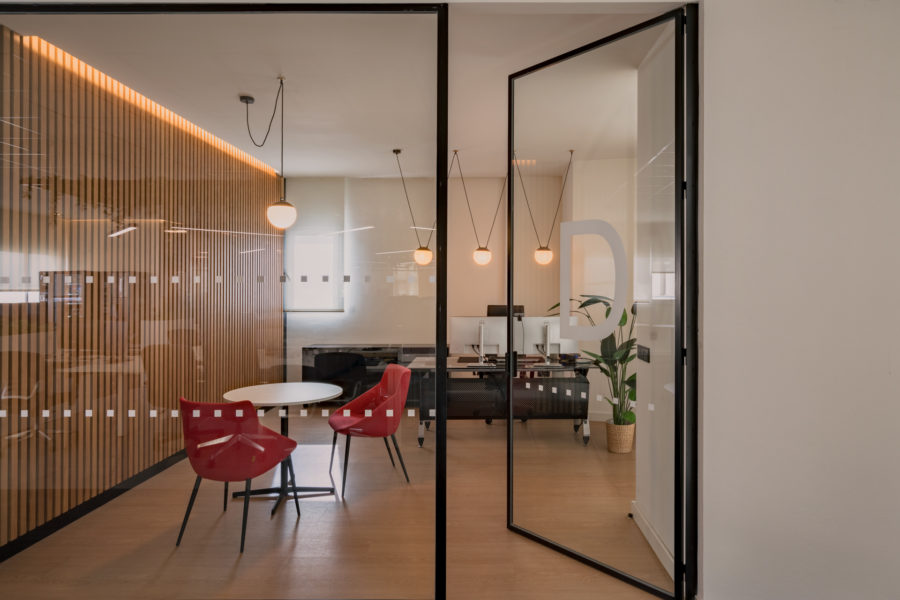
Commercial architecture firms specialize in designing, planning, and overseeing the construction of non-residential buildings such as offices, retail centers, hotels, hospitals, and industrial complexes. Unlike residential architecture, commercial design demands a blend of creativity, technical expertise, and compliance with complex regulations.
These firms work with business owners, developers, and contractors to ensure that every detail—from spatial layout to materials and lighting—supports both business objectives and human well-being.
The Core Services of Commercial Architecture Firms
Commercial architecture encompasses a wide range of services, including:
- Space Planning and Layout Design: Creating efficient floor plans that maximize usable space.
- Conceptual and Interior Design: Designing an environment that reflects brand identity.
- Sustainability and Energy Efficiency Consulting: Incorporating eco-friendly solutions and green certifications.
- Project Management and Supervision: Ensuring construction quality and adherence to timelines.
The Importance of Hiring a Professional Commercial Architect
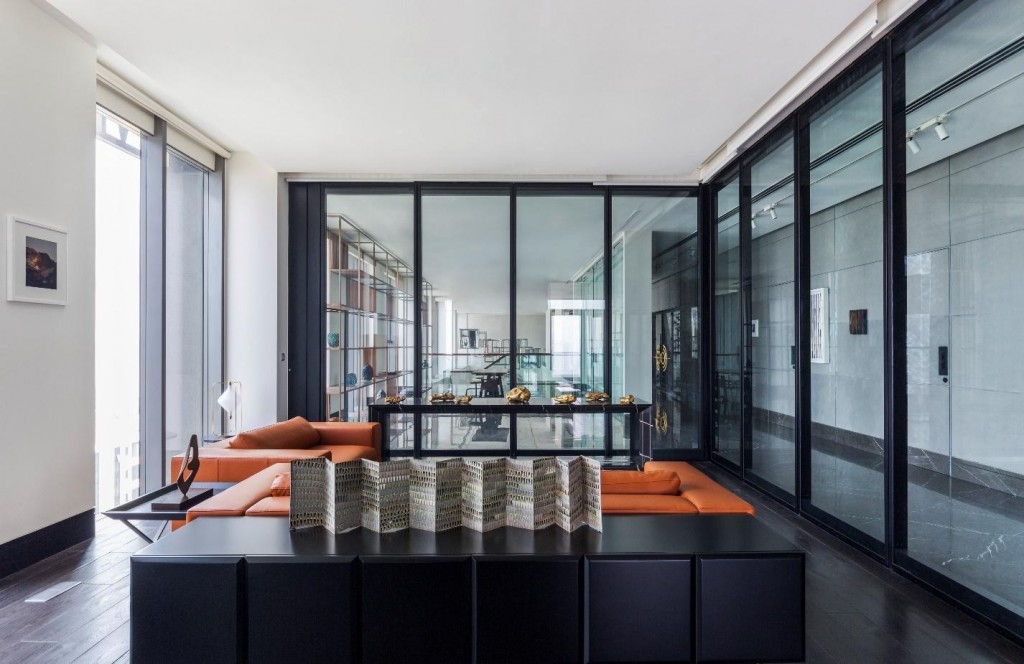
A commercial architect’s expertise can determine whether a project succeeds or struggles. Businesses invest heavily in these services because professional firms bring both artistic vision and technical precision.
When handled correctly, an architectural project can significantly reduce long-term operational costs, improve employee satisfaction, and increase property value. In contrast, poor design can lead to wasted space, inefficient energy usage, and regulatory issues.
Benefits of Professional Commercial Design
- Enhanced Functionality and Flow
Every square foot in a commercial space should serve a purpose. Expert architects ensure that layout decisions support daily operations efficiently. - Stronger Brand Identity
Architecture communicates brand values. A corporate office designed with precision can instantly convey professionalism and innovation. - Regulatory Compliance and Safety
Experienced firms understand local building codes and zoning laws, preventing costly redesigns and delays. - Sustainability and Cost Savings
Using smart design, modern materials, and energy-efficient systems reduces utility costs and environmental impact.
Technological Innovations Transforming Commercial Architecture
Modern architectural firms integrate cutting-edge technologies to deliver smarter, safer, and more sustainable designs.
Building Information Modeling (BIM)
BIM is a revolutionary tool that allows architects, engineers, and contractors to collaborate on a unified 3D model. This model predicts potential design clashes, optimizes construction efficiency, and provides precise cost estimations.
Virtual Reality (VR) and 3D Visualization
Clients can now “walk through” their future offices using immersive VR simulations. This helps decision-makers visualize spatial arrangements and material selections before construction begins.
Smart Building Systems
Modern office designs integrate IoT (Internet of Things) systems that control lighting, temperature, and security for improved comfort and reduced energy consumption.
Real-World Examples of Leading Commercial Architecture Firms
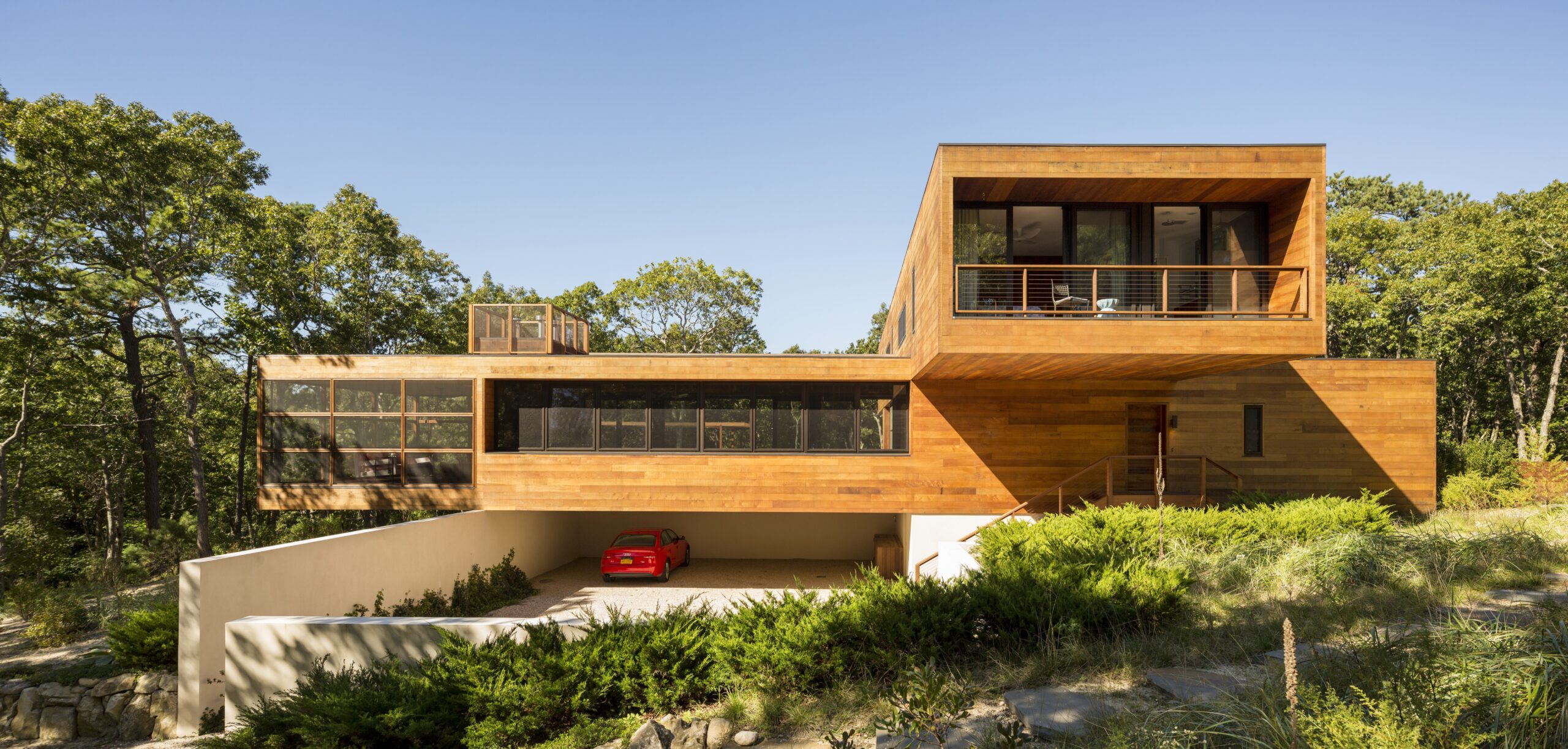
To better understand how commercial office architects create transformative spaces, here are five exemplary firms recognized globally for innovation and design excellence.
1. Gensler
Gensler is one of the most influential commercial architecture firms in the world, known for projects that merge human-centered design with advanced sustainability practices. The company has designed major corporate headquarters, airports, and retail centers worldwide.
Their approach emphasizes research-driven design and collaboration with clients to create spaces that inspire productivity and well-being. Notable projects include the Shanghai Tower and Facebook’s global office expansions.
Use Case:
A technology firm needing to optimize collaboration spaces might work with Gensler to develop an open-concept environment integrated with soundproof pods, flexible meeting zones, and natural light solutions.
Benefit:
The design enhances teamwork, reduces energy use, and strengthens company culture through visual transparency and ergonomic comfort.
2. HOK (Hellmuth, Obata + Kassabaum)
HOK focuses on performance-based design, integrating architecture, engineering, and sustainability. Their portfolio spans corporate buildings, sports facilities, and hospitals.
Information:
The firm is recognized for pushing sustainability forward—often targeting LEED Platinum certification. They use advanced daylight modeling, low-emission materials, and adaptive reuse strategies.
Use Case:
A multinational corporation planning a regional headquarters could rely on HOK to create an energy-efficient building that promotes collaboration while maintaining cultural adaptability.
Benefit:
This results in reduced operational costs and an improved brand image tied to environmental responsibility.
3. Foster + Partners
Foster + Partners combines elegant minimalism with state-of-the-art technology. Their designs often use glass and steel to achieve sleek, futuristic aesthetics.
Information:
Their work includes Apple Park in California, Bloomberg’s London headquarters, and numerous urban skyscrapers. The firm emphasizes sustainability through solar shading systems and natural ventilation.
Use Case:
A financial company seeking a luxurious yet sustainable headquarters could turn to Foster + Partners for a design that communicates innovation and success.
Benefit:
Their work improves corporate image and ensures energy efficiency through integrated design systems.
4. Perkins&Will
Perkins&Will is known for research-based design that blends creativity, technology, and sustainability. Their offices focus on health and wellness, often incorporating biophilic design principles such as natural materials and indoor plants.
Information:
They design educational, healthcare, and commercial spaces with an emphasis on psychological comfort and environmental responsibility.
Use Case:
A healthcare company developing a new clinic or office may work with Perkins&Will to design patient-friendly, stress-reducing environments that meet medical standards.
Benefit:
Improved patient experience, enhanced staff morale, and increased operational efficiency.
5. SOM (Skidmore, Owings & Merrill)
SOM is globally renowned for its architectural masterpieces and engineering excellence. Their portfolio includes iconic skyscrapers like Burj Khalifa and One World Trade Center.
Information:
SOM combines architectural design with structural innovation, sustainability, and digital modeling. Their designs are symbols of ambition and functionality.
Use Case:
A commercial developer planning a mixed-use skyscraper can depend on SOM for integrating commercial, office, and leisure spaces harmoniously.
Benefit:
Their holistic approach increases long-term investment value and improves urban efficiency.
How to Choose the Right Commercial Architecture Firm
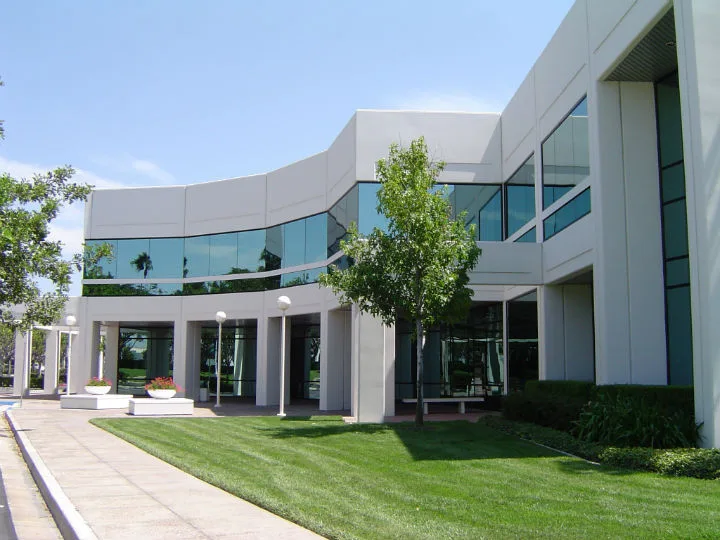
Selecting the right firm can make or break a project. Here’s what businesses should evaluate:
- Experience in Relevant Industries – Choose firms with proven portfolios in office or commercial projects similar to yours.
- Design Philosophy – Ensure their creative vision aligns with your company’s brand and values.
- Technology Adoption – Opt for firms using BIM, sustainable materials, and digital visualization tools.
- Budget Transparency – Clear communication on project scope and costs prevents future issues.
- Client References – Check testimonials or past projects to gauge reliability and quality.
How to Buy or Hire Commercial Architecture Services
Working with a commercial architecture firm typically involves several steps:
- Initial Consultation – The client explains project goals, timelines, and budget expectations.
- Proposal and Design Concept – The firm presents design ideas, sketches, and initial 3D models.
- Contract Agreement – Once approved, the firm finalizes designs, permits, and schedules.
- Project Execution and Supervision – The firm collaborates with contractors to ensure proper construction.
Buying Tip:
When hiring an architectural firm, prioritize communication and collaboration. Always choose a firm that provides transparency, clear deliverables, and sustainable solutions.
Why Businesses Should Invest in Professional Commercial Design
Hiring expert architects isn’t just about building structures—it’s about investing in the long-term performance and identity of a company.
- Improved Productivity: Well-designed workspaces motivate employees and improve efficiency.
- Higher ROI: Aesthetic and functional buildings attract tenants, investors, and customers.
- Sustainability: Green architecture ensures compliance with environmental regulations and lowers costs.
- Brand Differentiation: Unique architecture creates a lasting impression on clients and the public.
Frequently Asked Questions
1. What does a commercial architecture firm do?
A commercial architecture firm designs and oversees the construction of business properties such as offices, retail stores, and corporate complexes. They ensure that each structure meets aesthetic, functional, and safety standards.
2. How much does it cost to hire a commercial architecture firm?
Costs vary based on project size, location, and complexity. Typically, architectural fees range between 5% and 15% of total construction costs, depending on the services required.
3. Why is sustainability important in commercial architecture?
Sustainable designs reduce energy consumption, improve occupant health, and align with global environmental goals, leading to long-term financial savings for businesses.