Modern Doctor’s Office Interior Design: Transforming Healthcare Spaces with Comfort, Function, and Innovation
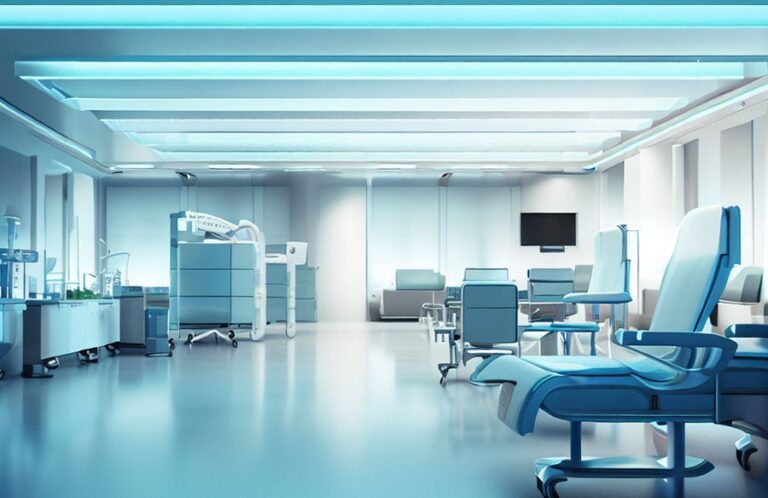
A doctor’s office interior is more than just walls and furniture it’s the environment that defines a patient’s first impression, comfort, and confidence in the quality of care they receive. As healthcare continues to evolve toward a patient-centric approach, modern interior design plays a crucial role in shaping a medical office that is both efficient and healing.
In this article, we’ll explore how a thoughtfully designed doctor’s office interior combines aesthetics, functionality, and advanced materials to create an atmosphere that fosters trust and efficiency.
Understanding the Importance of a Doctor’s Office Interior Design
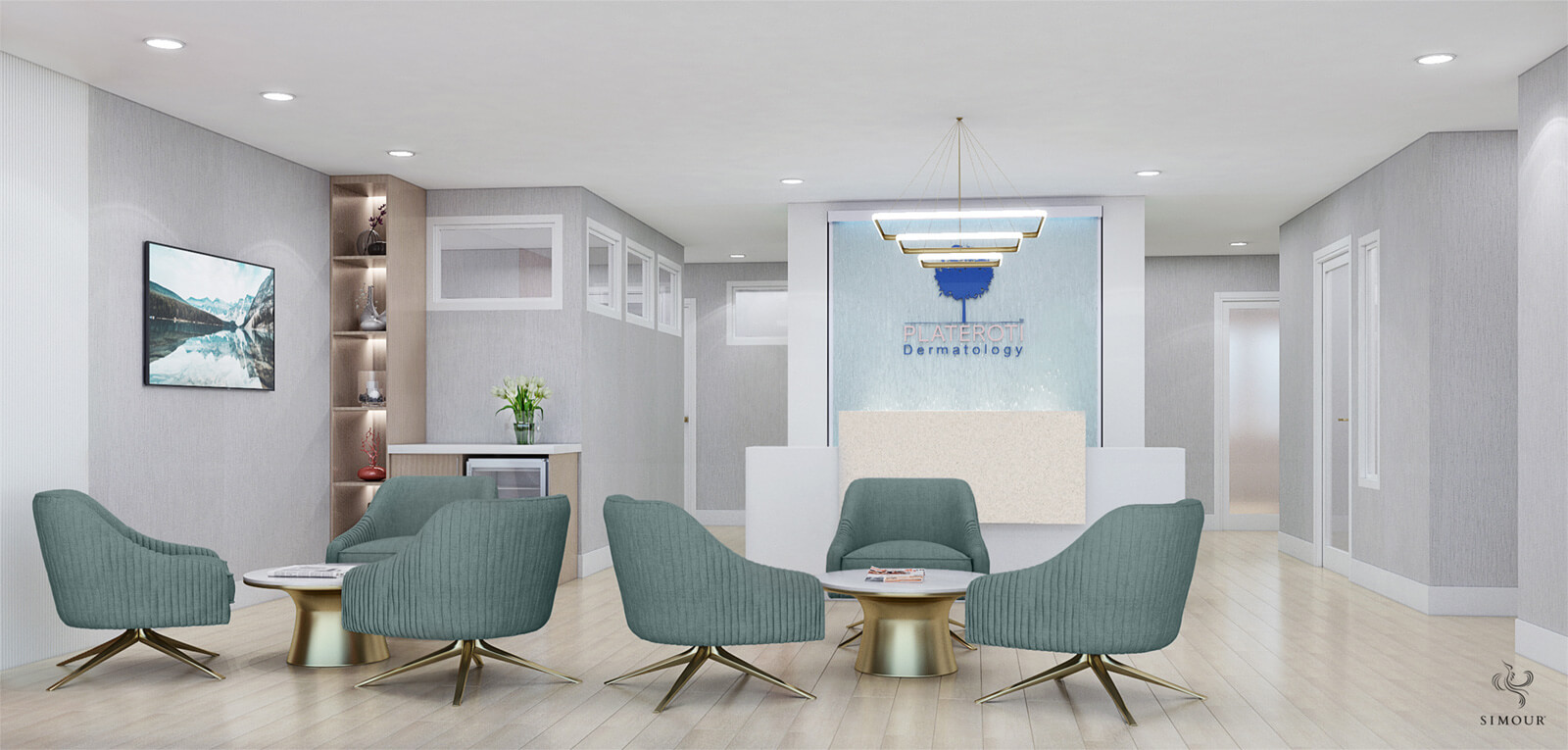
A well-designed doctor’s office interior is essential not only for patients but also for medical professionals and administrative staff. The interior design affects everything from the emotional well-being of patients to the operational flow of healthcare services.
Modern design strategies for medical environments integrate functionality, hygiene, comfort, and branding to create a cohesive and professional space. Patients feel calmer, staff perform better, and the overall experience becomes more positive.
The Evolution of Healthcare Spaces
Historically, clinics and doctors’ offices were designed with a purely utilitarian mindset—white walls, fluorescent lighting, and simple furnishings. Today, the industry recognizes that the atmosphere within healthcare facilities significantly impacts healing and patient satisfaction.
Modern medical interior design emphasizes biophilic design (using natural elements), acoustic comfort, warm color palettes, and ergonomic furniture. The result is a healthcare space that feels safe, modern, and human-centered.
Core Principles of Doctor’s Office Interior Design
Designing a doctor’s office involves much more than selecting furniture or colors. It requires a strategic approach that aligns with the practice’s medical specialty, patient demographics, and operational flow.
Functionality and Flow
Efficient layouts ensure smooth movement for both patients and staff. From the reception to examination rooms, circulation must minimize bottlenecks and enhance privacy. Designers often use zoning to separate public, semi-private, and private areas within the clinic.
Hygiene and Material Selection
Hygiene is non-negotiable in healthcare spaces. Designers choose materials that are easy to clean, resistant to bacteria, and durable under frequent disinfection. Examples include antimicrobial flooring, medical-grade wall coatings, and seamless countertops.
Comfort and Emotional Well-Being
Design influences how patients feel before seeing a doctor. A calm color palette, comfortable seating, and natural light reduce anxiety. Elements like plants, artwork, and warm textures add to a sense of familiarity and reassurance.
Key Benefits of a Well-Designed Doctor’s Office Interior
Investing in professional interior design for a medical office offers multiple long-term benefits.
Enhanced Patient Experience
Patients who feel relaxed are more likely to have a positive perception of care quality. A well-lit, organized, and aesthetically pleasing office reduces stress and builds trust.
Improved Staff Productivity
A functional design supports staff efficiency. Proper workstation placement, ergonomic furniture, and intelligent storage solutions minimize fatigue and improve workflow.
Stronger Brand Identity
Design is a reflection of the clinic’s professionalism. A cohesive interior aesthetic communicates trust, modernity, and quality service—differentiating the clinic in a competitive market.
Better Space Utilization
Professional designers optimize every square foot, ensuring no area is wasted. Even small clinics can appear spacious and comfortable with the right layout and furniture choices.
Real-World Examples of Doctors’ Office Interior Products
To create a high-quality medical office interior, designers rely on specialized products that balance form, function, and safety. Below are five notable examples used in modern clinics and doctors’ offices.
1. Herman Miller Healthcare Exam Room Furniture
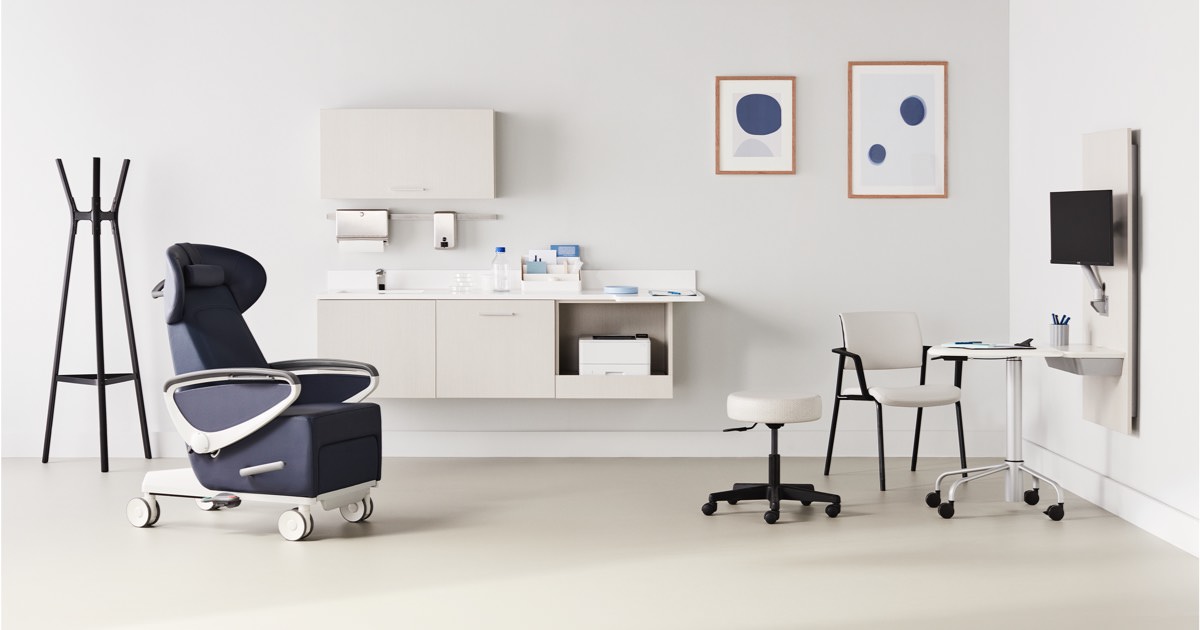
Herman Miller is a leader in ergonomic and modular healthcare furniture. Their exam room systems are designed to improve workflow and enhance comfort for both patients and clinicians.
The furniture line includes height-adjustable exam tables, integrated storage, and flexible seating arrangements. Each element is built from antimicrobial materials to ensure maximum hygiene and durability.
Use Case and Benefits:
This system helps streamline patient interactions while maintaining comfort and privacy. Its modular nature allows easy reconfiguration for different medical specialties, making it an investment that adapts to clinic growth.
Where to Buy:
These products can be purchased directly from Herman Miller’s authorized healthcare distributors or through professional design firms specializing in medical interiors.
2. Interface Healthcare Flooring Solutions

Flooring in a doctor’s office must withstand heavy foot traffic, resist stains, and support infection control. Interface’s healthcare flooring products are engineered for exactly these needs.
They feature non-slip surfaces, antimicrobial coatings, and acoustic dampening properties to create a quiet, safe, and comfortable environment.
Use Case and Benefits:
Perfect for waiting areas, corridors, and treatment rooms, these flooring solutions improve safety and reduce maintenance costs. Their modern patterns and textures add warmth and aesthetic value without compromising hygiene.
Where to Buy:
Available through Interface commercial flooring suppliers and certified interior contractors.
3. Philips Healthcare Lighting Systems

Lighting is a cornerstone of medical interior design. Philips offers a range of LED healthcare lighting systems that balance brightness, color accuracy, and energy efficiency.
The lighting can be tuned to different intensities and color temperatures, helping to create soothing waiting rooms and precise examination environments.
Use Case and Benefits:
Dynamic lighting supports circadian rhythms, enhances mood, and helps clinicians focus during detailed procedures. Its long lifespan and low energy consumption make it both cost-effective and sustainable.
Where to Buy:
Philips medical lighting can be ordered through commercial lighting partners or healthcare supply networks.
4. Steelcase Healthcare Workstations
Steelcase produces workstations tailored for healthcare professionals. Their designs prioritize flexibility, data accessibility, and ergonomic efficiency.
Each workstation includes integrated technology management systems, height adjustability, and easy-clean surfaces.
Use Case and Benefits:
These stations support quick transitions between digital record-keeping and patient interaction, optimizing time and improving comfort. They also encourage better posture and reduce physical strain for long-hour staff members.
Where to Buy:
Available through Steelcase Healthcare’s authorized dealers and interior architecture firms specializing in healthcare projects.
5. Knoll Healthcare Seating Solutions
Knoll provides premium seating designed for clinics, exam rooms, and reception areas. Their chairs are made from antimicrobial fabrics and feature soft cushioning for comfort.
They come in various designs—from minimalist waiting chairs to supportive ergonomic seats for doctors and nurses.
Use Case and Benefits:
Comfortable seating helps patients feel at ease while maintaining professional aesthetics. Durable construction ensures longevity even in high-traffic medical environments.
Where to Buy:
Knoll Healthcare seating can be sourced from certified commercial furniture suppliers or through medical interior design partners.
How Technology Shapes Modern Doctors’ Office Interiors
Technology integration has become a defining element of contemporary medical interior design.
Smart lighting, air purification systems, digital check-in kiosks, and telehealth-enabled exam rooms are transforming the way doctors interact with patients and manage clinics.
Benefits of Integrating Technology
- Efficiency: Digital scheduling and patient management reduce wait times and streamline appointments.
- Safety: Touchless systems and automatic sanitization features minimize contamination risks.
- Comfort: Smart environmental controls allow dynamic adjustment of temperature and lighting for each room.
- Connectivity: Enhanced IT infrastructure supports electronic health records and telemedicine solutions.
These technologies make doctors’ offices not only modern but also future-ready.
Solving Real Problems in Healthcare Environments
Modern interior design solves multiple operational and emotional challenges in medical spaces.
Patient Anxiety
A cold, sterile environment can elevate stress levels. Warm lighting, calming colors, and nature-inspired design reduce fear and promote relaxation.
Inefficient Space Flow
Poor layout planning causes delays and frustration. Professional designers ensure smooth circulation paths for patients and staff.
Maintenance Challenges
Durable, easy-clean materials lower maintenance costs and ensure long-term hygiene compliance.
By addressing these issues through design, clinics can improve patient satisfaction, reputation, and staff retention.
How to Buy and Where to Buy
To purchase design products for a doctor’s office interior, follow these steps:
- Identify Your Needs: Determine whether you’re upgrading furniture, lighting, or flooring.
- Consult a Healthcare Interior Designer: Professionals can provide layout plans and recommend certified suppliers.
- Purchase from Authorized Dealers: Always buy from official distributors to ensure warranty and quality compliance.
- Installation and Maintenance: Choose vendors that offer professional installation and post-purchase support.
Frequently Asked Questions
1. What makes a doctor’s office interior different from regular office design?
Doctor’s office interiors require medical-grade materials, strict hygiene standards, and patient-focused design principles. Unlike typical offices, functionality and infection control are top priorities.
2. How much does it cost to design a modern doctor’s office?
Costs vary based on size, design complexity, and materials used. On average, professional healthcare interiors range from moderate to premium pricing depending on customization.
3. Why should I hire a professional interior designer for a clinic?
Professional designers understand medical regulations, ergonomic requirements, and efficient layouts that comply with healthcare safety standards ensuring your space is both functional and aesthetically inviting.