Best House Valuation Services: Get the Most Accurate Home Value for Smarter Property Decisions
Knowing the true value of your house is one of the most important parts of homeownership. Whether you want to sell, refinance, or invest, understanding your property’s current worth helps you make smarter financial decisions. An accurate valuation prevents overpricing your home, which could scare away buyers, or underpricing it, which might cause you to lose profit.
The phrase “best house valuation” refers to finding the most precise and reliable estimate of your property’s market value. The goal is not just to get any number, but a valuation that truly reflects what buyers are willing to pay in the current market. A great valuation also helps lenders, agents, and homeowners work together with a clear understanding of your home’s financial potential.
What Makes a “Best” House Valuation?

When people talk about getting the best house valuation, they often mean getting the most accurate, fair, and usable estimate. A good valuation should be:
- Accurate – It must include the latest comparable sales, market data, and physical conditions of your home.
- Credible – It should come from a reliable source, such as a professional appraiser or trusted valuation tool.
- Actionable – The results should help you make specific decisions, whether it’s about pricing, refinancing, or home improvements.
In short, the best valuation is one that doesn’t just give you a number—it helps you understand what that number means and how to use it effectively.
How House Valuations Work

The Process Behind an Accurate Valuation
A professional or digital house valuation follows a structured process. It begins with gathering key details about your property—its location, age, size, number of rooms, lot dimensions, upgrades, and overall condition. Next, the valuer looks for comparable sales—homes similar to yours that have recently sold nearby.
These comparable sales, often called “comps,” help establish a realistic market range. Adjustments are then made for differences such as a larger yard, a newer kitchen, or a better neighborhood location. Finally, the valuer provides an estimated price range or exact value with supporting evidence.
Some services include market trend analysis, showing whether property prices in your area are rising or falling. This extra layer of insight helps you plan the best time to sell or refinance.
The Role of Technology in Modern Valuation
Modern property valuations often rely on technology. Automated Valuation Models (AVMs) use large datasets and algorithms to calculate property values quickly. These models analyze public records, property sales, and neighborhood trends to generate instant estimates.
However, technology has limitations. An AVM might miss unique property upgrades or special conditions, like high-end finishes or a new roof. That’s why the best house valuation often combines technology with human expertise. A licensed appraiser can add context, visit the home, and ensure that the final valuation truly matches reality.
Key Benefits of a Professional House Valuation
1. Accurate Pricing for Faster Home Sales
When selling a house, setting the right price is crucial. If you price too high, buyers may ignore your listing. If you price too low, you risk losing thousands of dollars. A professional valuation gives you a data-backed number that reflects real market conditions. Homes priced accurately tend to sell faster and attract more serious buyers.
Having a well-prepared valuation report also gives you confidence during negotiations. It proves your asking price is fair and supported by evidence, reducing arguments or lowball offers.
2. Better Negotiation and Refinancing Power
A credible valuation strengthens your position when negotiating with buyers or applying for a refinance. Lenders often rely on professional valuations to confirm that your property provides enough collateral for a loan.
If you know your home’s real value, you can negotiate better interest rates or loan terms. Likewise, when refinancing, an accurate valuation ensures that you’re not borrowing against an inflated or underestimated number.
3. Smart Investment and Home Improvement Planning
Valuations aren’t only for selling or refinancing—they also help you make informed investment decisions. Suppose you’re considering remodeling your kitchen or adding a pool. A valuation can help you estimate whether these upgrades will increase your property’s value enough to justify the cost.
In other words, knowing your home’s current value gives you a starting point to decide which improvements bring the highest return on investment.
4. Protection and Documentation
A professional valuation report serves as official documentation for legal, tax, or insurance purposes. If your property becomes part of an estate, inheritance, or dispute, having a recent valuation provides proof of worth. It’s also useful for determining property taxes or insurance coverage amounts.
Real-World Examples of House Valuation Services
Here are several real-world examples of products and services that can help you achieve the best house valuation for your needs.
1. Instant Online Home Valuation Tool
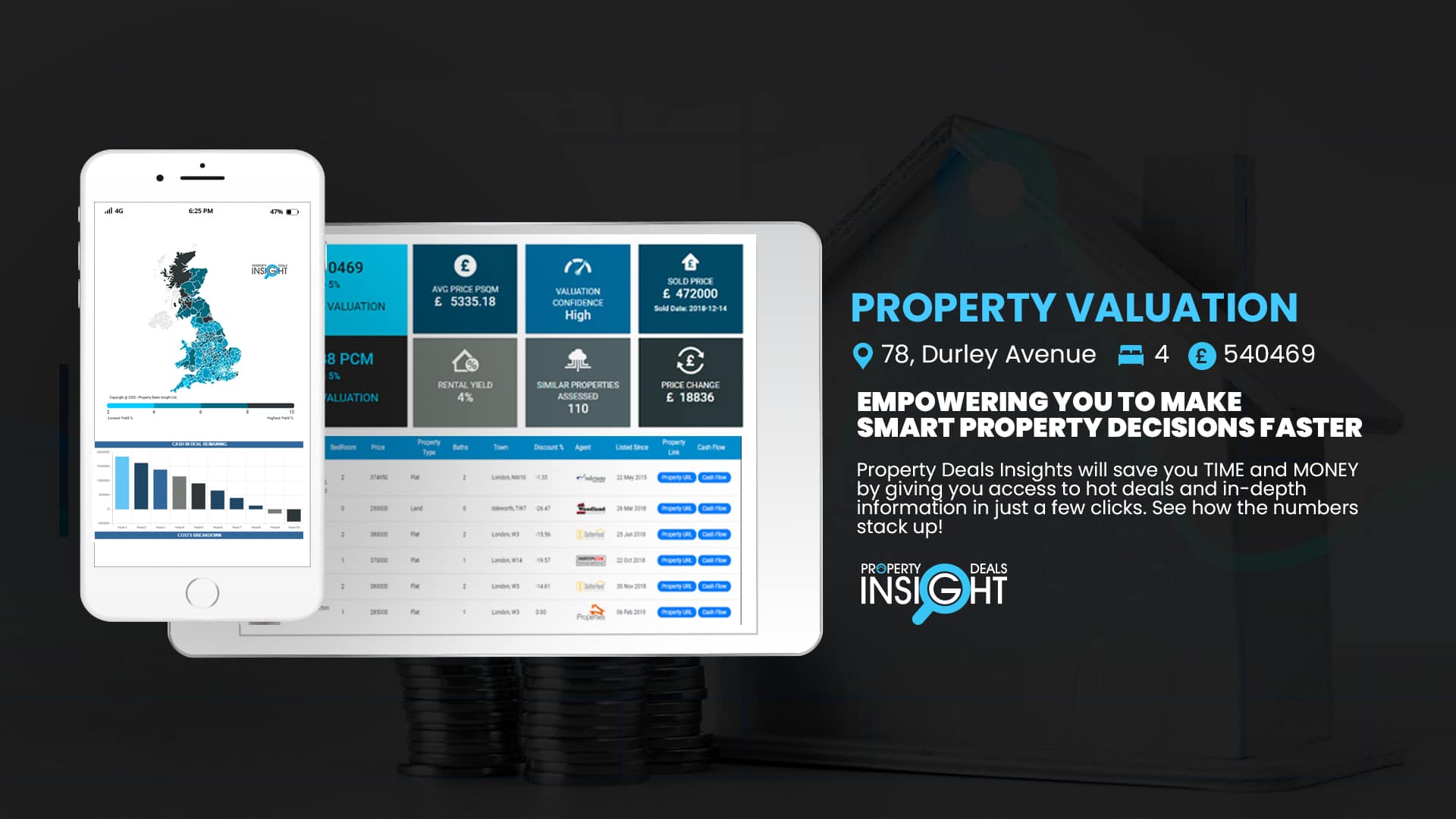
Instant online valuation tools let you enter your address and property details to receive an immediate estimate. They pull data from recent home sales, tax records, and neighborhood information.
These tools are fast and convenient, giving you a rough estimate without waiting days for a professional visit. They’re great for homeowners who just want an idea of their property’s worth before making bigger decisions.
Use case: You want to explore selling your home but are unsure about pricing. A quick online estimate gives you a benchmark to start conversations with agents or appraisers.
Why you need it: It’s free, quick, and helps you understand where your property stands in the current market.
2. Professional On-Site Valuation Service

This service involves a certified valuer visiting your home to perform a detailed inspection. They review your property’s structure, condition, upgrades, and overall appeal before comparing it with local sales data.
A professional on-site valuation is ideal when you need a precise, lender-accepted figure. It’s commonly used for selling, refinancing, or legal matters.
Use case: You’re preparing to list your home and want the most credible estimate possible.
Why you need it: It’s thorough, highly accurate, and backed by formal documentation you can use for official transactions.
3. Home Value Improvement Consultation
Some companies offer valuation combined with improvement advice. These consultants not only estimate your home’s current worth but also identify which upgrades could increase its value.
For example, they might recommend remodeling your kitchen or adding energy-efficient windows to raise your home’s price.
Use case: Your home’s valuation came in lower than expected, and you want to know what changes will deliver the best return.
Why you need it: It turns valuation into a strategy, helping you focus on upgrades that actually improve your financial position.
4. Multi-Property Valuation Service
For property investors who own several homes, multi-property valuation services provide an overview of each property’s worth. These professionals analyze your portfolio to identify undervalued or overvalued assets.
Use case: You’re a landlord or investor managing multiple properties and want to track how each asset performs over time.
Why you need it: It helps you make data-driven decisions about which homes to sell, upgrade, or refinance.
5. Automated Valuation Software
Automated valuation software is designed for ongoing use. It allows homeowners, investors, or agents to run frequent valuations using updated market data. You can track property performance and adjust assumptions to see how value changes over time.
Use case: You own several properties or want to monitor your home’s value regularly without hiring a professional each time.
Why you need it: It offers flexibility, speed, and convenience—ideal for proactive homeowners or real estate investors.
How to Choose the Right Valuation Approach
Identify Your Purpose
Start by understanding why you need a valuation. Are you selling soon, refinancing, or just checking your investment’s progress? Each purpose requires a different level of detail and accuracy.
- For selling: Use a professional inspection.
- For refinancing: Choose a lender-approved valuer.
- For curiosity or planning: Try an online tool first.
Consider Your Budget and Timeline
Online tools are free or low-cost and provide quick estimates. Professional inspections cost more but give detailed, trusted reports. If you’re in a hurry, online services are best. If accuracy is critical, invest in a professional valuation.
Evaluate Your Home’s Uniqueness
Standard homes in well-documented neighborhoods might not need full inspections. However, if your property has unique features—like custom architecture, luxury additions, or scenic land—it’s worth getting an expert to assess it personally.
Using Your Valuation Effectively
Once you have your valuation, here’s how to put it to work:
- For Selling: Use the valuation to set a competitive asking price.
- For Refinancing: Present the valuation report to your lender to support your loan application.
- For Home Improvements: Compare your home’s current value with potential upgrades to see which renovations bring profit.
- For Investment Planning: Track your home’s value annually to decide when to sell or refinance.
Having the best house valuation gives you an advantage in every property-related decision.
Common Scenarios Where Valuation Helps
Preparing to Sell a Home
A homeowner planning to sell in six months uses an online valuation tool to get an idea of the price. Then, she hires a professional valuer for a detailed inspection. The report reveals areas that could boost value, like landscaping and kitchen updates. After making improvements, she revalues the property, sets a realistic price, and sells quickly.
Refinancing or Equity Release
A homeowner looking to refinance uses a professional valuation to confirm his home’s true worth. The valuation helps him qualify for better loan terms because the property’s market value supports the lender’s requirements.
Managing Investment Properties
A real estate investor with several rental homes uses valuation software to track performance. She compares results every quarter and identifies which properties to sell or upgrade. This strategy increases her overall portfolio return.
Estate Planning and Tax Purposes
Valuations are also vital in estate management. They ensure fairness when dividing assets or paying taxes. A formal report prevents disputes among heirs or with tax authorities.
How to Buy or Access Valuation Services
You can access valuation services in several ways:
- Online Estimate Tools – Enter your address on trusted platforms and get an instant result.
- Professional Valuers – Contact certified appraisal companies or independent valuers for in-depth inspections.
- Property Agents – Real estate agents often provide free market evaluations as part of their service.
- Valuation Software – Subscribe to the software if you need continuous tracking for multiple properties.
When choosing, consider how official or detailed you need the report to be. For big financial decisions, always prefer licensed professionals.
Why People Need the Best House Valuation
People rely on accurate valuations for multiple reasons:
- To sell homes faster at fair prices
- To refinance loans with confidence
- To make profitable renovations
- To plan investments wisely
- To handle taxes and inheritance smoothly
In every case, the best valuation provides clarity, reduces financial risk, and supports smarter decision-making.
Conclusion
Getting the best house valuation is about more than just knowing your home’s price—it’s about understanding its true market position and potential. Whether you choose an online estimate, professional inspection, or advanced software, the goal is the same: to make confident, informed decisions about your property.
An accurate valuation empowers you to price fairly, negotiate effectively, invest wisely, and protect your assets. In today’s competitive housing market, that knowledge is one of the most valuable things a homeowner can have.
Frequently Asked Questions
1. What makes a house valuation “the best”?
The best valuation is based on accurate data, credible sources, and local market understanding. It combines technology with professional experience to deliver a realistic number that can be trusted for official or financial use.
2. How much does a professional valuation cost?
The cost varies by region and property type. Online tools are usually free, while professional inspections can cost a few hundred dollars. The investment is worth it for the accuracy and peace of mind it provides.
3. Can I rely only on online valuation tools?
Online tools are great for a quick overview, but may not capture unique property features or current conditions. For critical decisions like refinancing or legal documentation, always use a professional valuer.