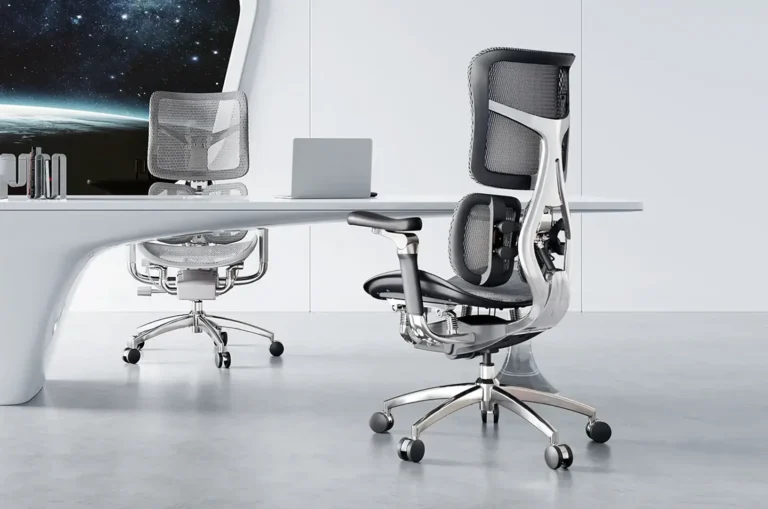
Business Office Interior Design: Complete Guide to Modern Workspace Planning, Benefits, and Product Solutions
Business office interior design is no longer just about decorating a space with desks and chairs. It is a strategic approach that connects human behavior, company culture, and the physical environment. A well-designed office influences how people feel, think, and work. It shapes brand image, enhances efficiency, and improves employee well-being.
This article explains everything you need to know about business office interior design, from its meaning and benefits to real product solutions, technology integration, and how to buy the right furniture and materials for your office transformation.
Understanding the Essence of Business Office Interior Design
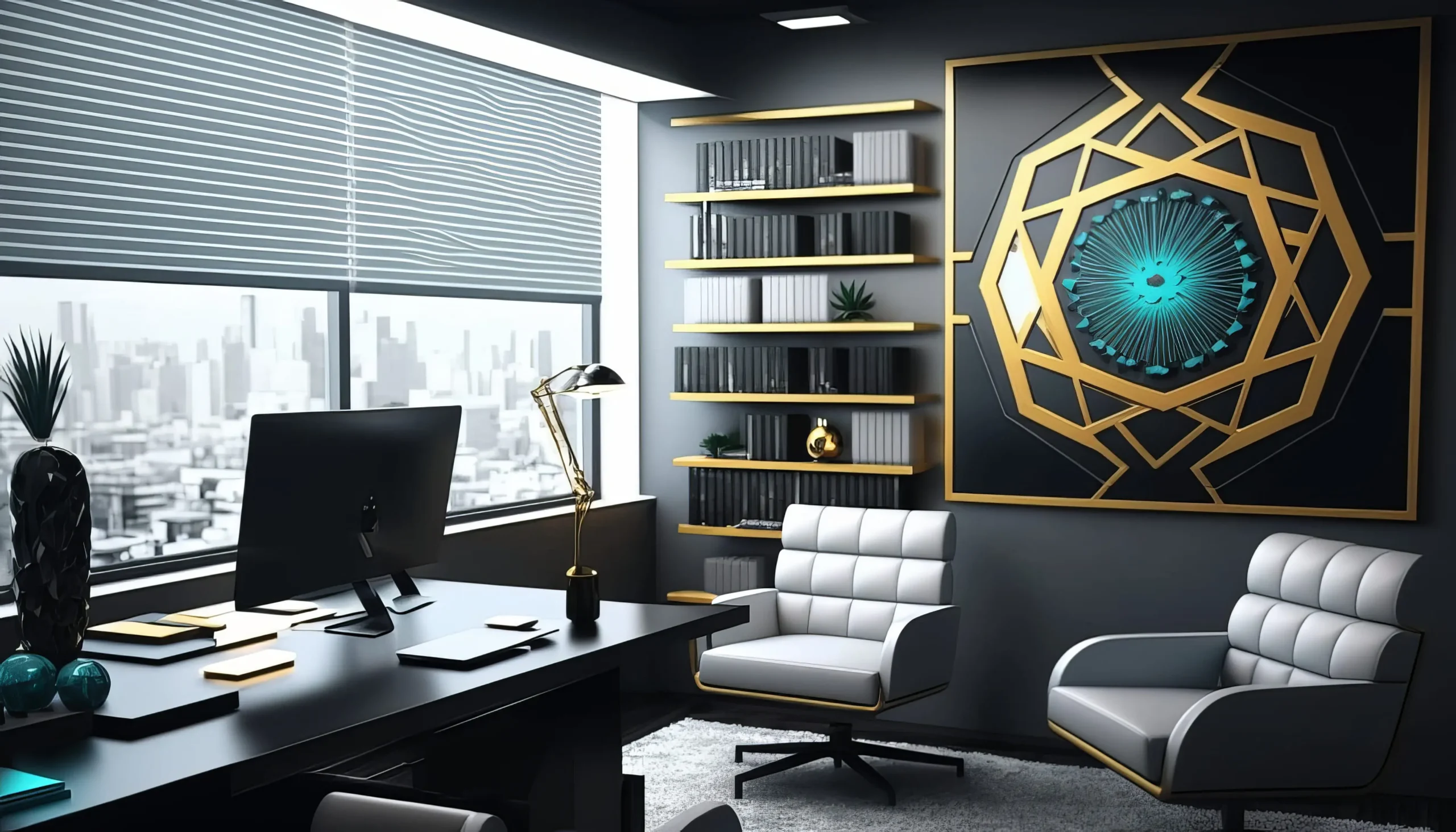
Business office interior design focuses on planning and organizing work environments to optimize function, comfort, and aesthetics. It is a discipline that blends architecture, ergonomics, psychology, and brand identity. A good design reflects the company’s values and supports its operations effectively.
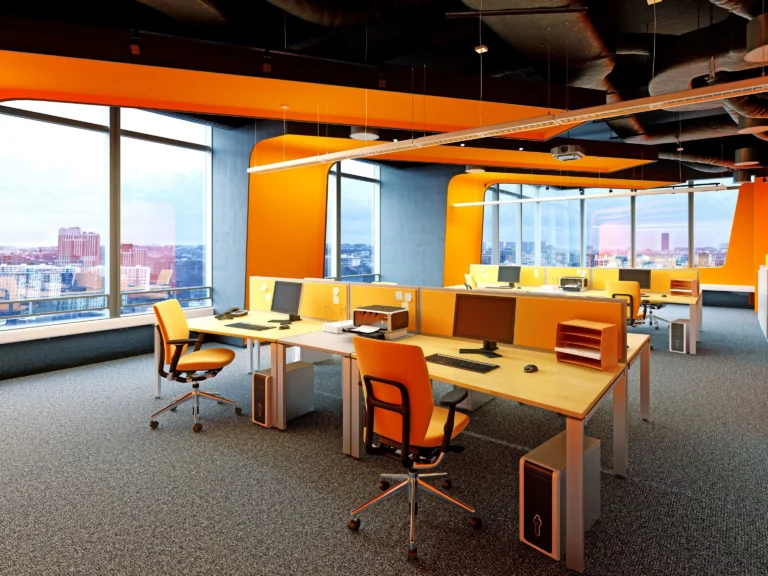
The process usually starts with analyzing workflow—how teams communicate, how frequently they collaborate, and how employees move throughout the space. Designers then create functional zones such as open workspaces, meeting areas, private offices, break rooms, and collaboration zones. Each element—furniture, lighting, color palette, and materials—is carefully chosen to support productivity and comfort.
For example, open-plan layouts encourage communication and creativity, while acoustic pods or sound-absorbing panels provide privacy for focused work. Ergonomic chairs and height-adjustable desks improve physical well-being, while biophilic design (integration of plants and natural elements) reduces stress and enhances mood.
In short, business office interior design transforms a plain space into a living system that supports both people and business goals.
The Core Benefits of Business Office Interior Design
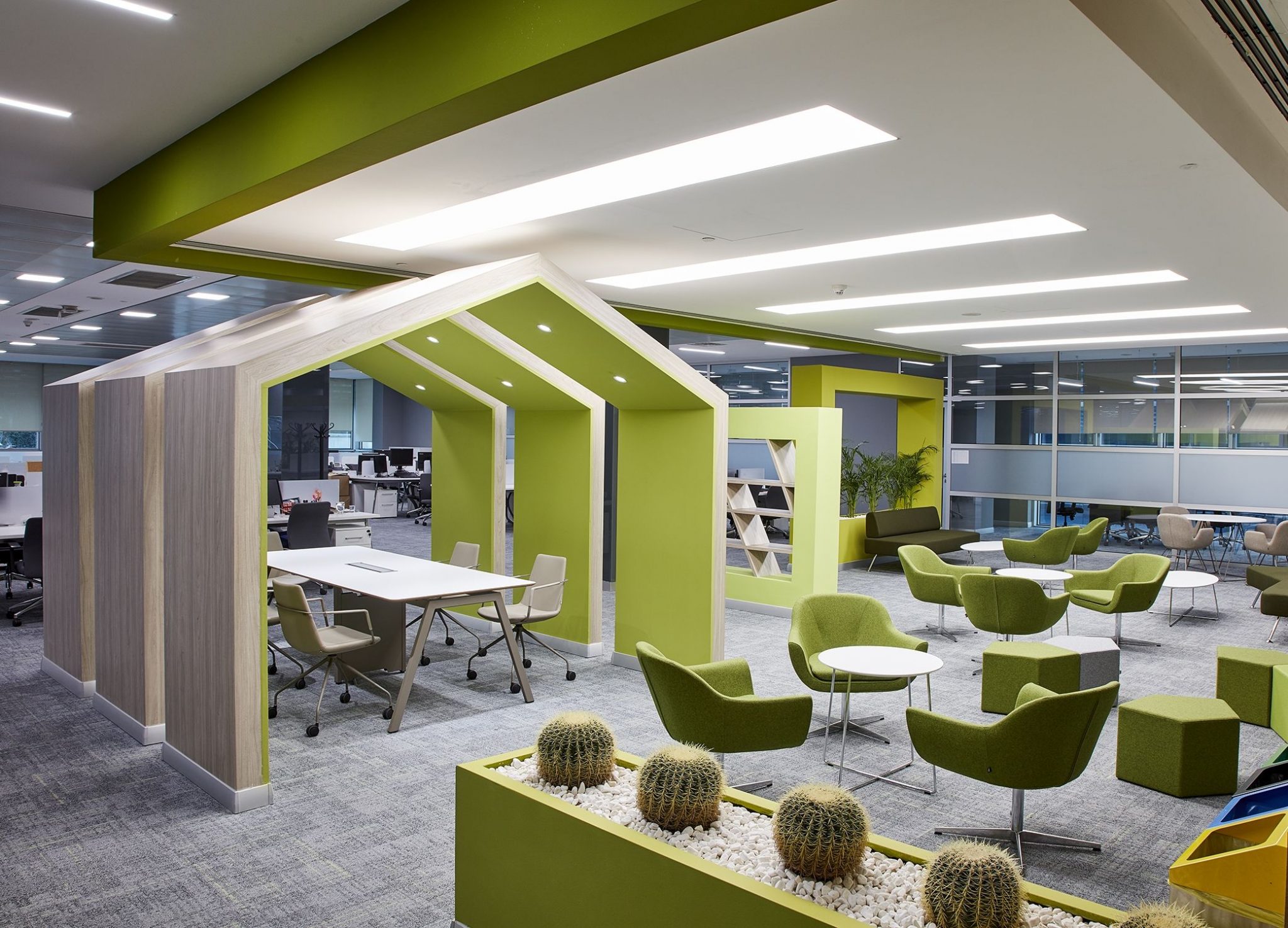
A thoughtful business office interior design delivers multiple tangible and intangible benefits. Let’s explore them in detail.
Enhances Productivity and Focus
The layout and ergonomics of an office have a direct impact on employee performance. Proper lighting, comfortable furniture, and good air circulation improve concentration. Ergonomic chairs and adjustable desks help employees maintain good posture and reduce fatigue.
When employees are physically comfortable, they can focus more easily, work longer without discomfort, and maintain higher performance levels. Moreover, strategically placed collaboration areas minimize distractions for those who need quiet time.
Strengthens Brand Image
Your office is a reflection of your company’s personality. Whether your brand is creative, innovative, professional, or eco-friendly, the design of your space should communicate that identity to employees, partners, and clients.
The use of brand colors, signage, materials, and layouts can reinforce brand identity. For instance, a technology company may prefer sleek minimalist interiors with modern lighting and metal finishes, while a financial firm might opt for rich wood textures and subtle tones that convey trust and stability.
Improves Employee Well-Being
A well-designed office goes beyond aesthetics—it promotes health and happiness. Natural lighting, greenery, ergonomic seating, and proper acoustics contribute to a healthier workplace. Employees who feel good physically and mentally are more creative, motivated, and loyal to the company.
Additionally, spaces designed for relaxation or informal conversations encourage social connections, which further reduce stress and increase collaboration.
Encourages Flexibility and Future Growth
The modern business world changes rapidly. Companies grow, reorganize, or shift toward hybrid work models. A flexible office design allows for easy reconfiguration without major renovation costs.
By incorporating modular furniture systems, movable partitions, and adaptable workstations, companies can easily adjust their layouts as their needs evolve. Flexibility ensures that the office remains relevant for years.
Optimizes Space and Costs
Space planning is critical for maximizing the value of every square meter. Effective design eliminates unused or underutilized spaces. By carefully mapping out seating arrangements, storage zones, and circulation paths, a designer ensures that your space supports operations efficiently.
In the long term, this strategic approach saves money on rent, reduces maintenance costs, and minimizes the need for frequent refurbishments.
Real-World Product Solutions for Business Office Interior Design
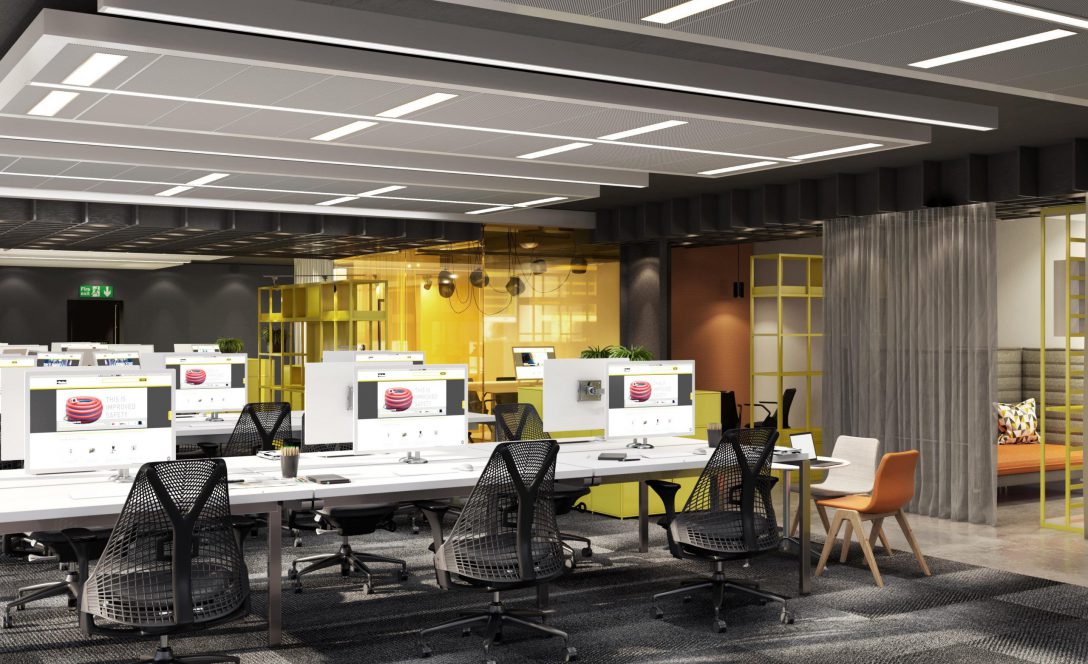
To make these concepts more tangible, let’s explore five practical and high-quality product examples commonly used in modern business office interior design.
Each of these items demonstrates how thoughtful product selection contributes to comfort, efficiency, and aesthetics in the workplace.
1. FCENTER Custom Interior Office Staff A
This is a complete office interior package designed for staff work zones. It typically includes modular workstations, divider panels, cabinets, and chairs that match in color and design.
Detailed Information:
The FCENTER package provides a cohesive and professional look throughout the workspace. Each component is ergonomically designed, ensuring that employees can work comfortably while maintaining proper posture. The modular partitions also provide partial privacy without isolating team members completely.
Key Benefits:
- Visual consistency enhances the overall corporate aesthetic.
- Streamlined purchasing—everything comes as one coordinated set.
- Quick installation reduces downtime during office setup.
- Ergonomic features boost comfort and focus.
Use Case:
This solution is ideal for companies that need to furnish a large office quickly while maintaining visual harmony and functional efficiency. It solves problems like mismatched furniture, lack of design coherence, and excessive procurement complexity.
How to Buy:
Contact trusted office furniture suppliers or fit-out service providers. Confirm dimensions, materials, and color options. Ensure that installation, warranty, and after-sales service are included.
2. Office Interior Luxury and Modern Custom Design
This product represents a premium, tailor-made solution for executive offices, meeting rooms, and client-facing areas.
Detailed Information:
A luxury and modern custom office interior focuses on craftsmanship and materials—wood veneers, leather upholstery, custom lighting, and bespoke storage solutions. Each piece can be designed to match brand aesthetics and functional requirements.
Key Benefits:
- Creates a prestigious impression suitable for executive environments.
- Customization ensures alignment with brand values.
- Uses premium materials that offer durability and elegance.
Use Case:
Law firms, consulting agencies, and high-end corporations often use such designs to reinforce credibility and brand reputation. It solves problems related to outdated interiors or a lack of differentiation from competitors.
How to Buy:
Consult interior design studios or high-end furniture manufacturers that offer customization. Specify your preferred materials, dimensions, and finishes. Ensure clear timelines for design, fabrication, and installation.
3. UNO Office Desk New Modern UOD 7033 Set (Maple-White)
This workstation set exemplifies simplicity and modern aesthetics. It features a clean maple-white finish and modular configuration.
Detailed Information:
Each set includes three desks that can be arranged together or separately. The neutral tone suits most office styles, making it easy to integrate with existing furniture. Its durable surface resists scratches and stains, ensuring long-term use.
Key Benefits:
- Ideal for open-plan offices that require scalable solutions.
- Neutral design matches various décor styles.
- Space-efficient and easy to assemble.
Use Case:
Perfect for start-ups or growing companies looking for affordable yet stylish workstations. It solves layout challenges by providing flexibility in arrangement without compromising aesthetics.
How to Buy:
Purchase through office furniture retailers or authorized distributors. Check for warranty, assembly services, and compatibility with cable management systems.
4. Fantech Premium Office Chair OC-A258
This premium ergonomic chair is built for all-day comfort and durability.
Detailed Information:
It features adjustable armrests, height, and lumbar support to accommodate various body types. The mesh back promotes airflow, reducing heat buildup during long hours. The chair’s design supports natural spinal alignment, improving posture and reducing strain.
Key Benefits:
- Increases comfort and reduces fatigue during prolonged sitting.
- Improves employee health and prevents posture-related injuries.
- Enhances professional appearance across workstations.
Use Case:
Essential for any business office aiming to prioritize staff well-being. It addresses problems such as back pain, low energy, and decreased focus caused by poorly designed seating.
How to Buy:
Order from reliable office supply stores or ergonomic furniture dealers. Verify product specifications, weight capacity, and warranty coverage before purchasing.
5. Luxury Lazy Sofa Office Lounge Executive
This elegant sofa is designed for executive lounges, client waiting areas, or relaxation zones within the office.
Detailed Information:
It combines comfort with sophistication. Made with high-quality leather or fabric upholstery, it provides a refined aesthetic. The plush cushioning ensures long-lasting comfort during meetings or informal conversations.
Key Benefits:
- Creates inviting and professional lounge spaces.
- Encourages informal collaboration among staff.
- Elevates the perceived value of the office environment.
Use Case:
Suitable for reception areas, executive lounges, and creative meeting spaces. It solves the issue of underutilized waiting zones and enhances the client’s first impression.
How to Buy:
Consult reputable furniture showrooms or custom sofa makers. Choose upholstery material that aligns with your office’s color scheme. Confirm delivery, warranty, and maintenance options.
Integrating Technology into Business Office Interior Design
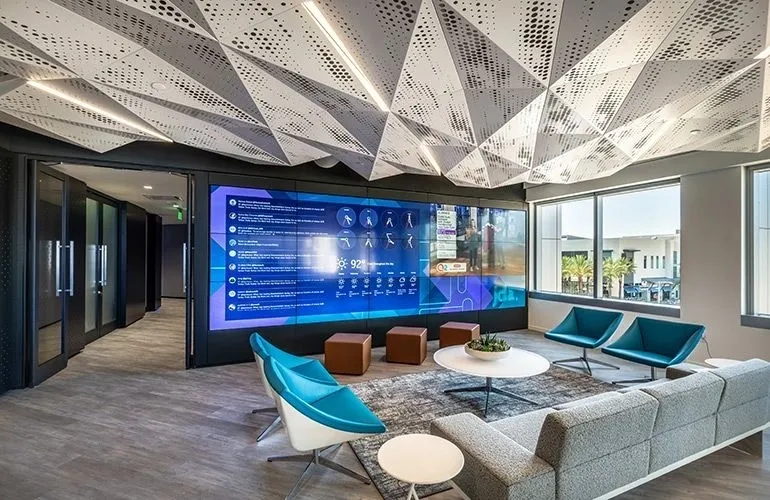
Modern office design seamlessly merges technology with space planning. Smart furniture, digital lighting systems, and data-driven layouts make offices more efficient and sustainable.
Smart Desks and Workstations:
Adjustable desks with memory settings allow employees to switch between sitting and standing positions effortlessly. This promotes better health and energy throughout the day. Integrated cable management keeps the workspace organized and clutter-free.
Lighting Systems:
Automated lighting that adjusts brightness and color temperature based on time of day supports human circadian rhythms. This helps reduce eye strain and maintain alertness.
Acoustic and Visual Privacy Solutions:
Acoustic panels, phone booths, and privacy pods reduce distractions in open-plan offices. Smart glass technology can instantly switch from transparent to opaque for privacy during meetings.
Sustainability Technologies:
Energy-efficient HVAC systems, LED lighting, and recyclable materials reduce environmental impact while cutting long-term costs.
These technologies not only make offices more comfortable but also contribute to a company’s sustainability goals and modern image.
How Business Office Interior Design Solves Real Problems
Start-Up Expansion
A growing start-up moving into its first major office faces challenges like limited space, tight budgets, and fast timelines. A strategic office interior design plan provides flexible furniture systems and modular layouts that can expand as the company grows.
Problem solved: cluttered spaces, inefficient workflow, and inconsistent branding.
Corporate Refurbishment
An established law firm wants to modernize its headquarters. Through tailored design, the firm introduces executive suites, modern lighting, and comfortable client lounges while maintaining a professional tone.
Problem solved: outdated interiors and poor client impressions.
Transition to Hybrid Work
A company adopting a hybrid model finds many desks unused during remote work days. The designer introduces shared desks, mobile partitions, and collaboration zones.
Problem solved: underutilized space and lack of flexibility.
Employee Well-Being Enhancement
A company struggling with low morale and absenteeism upgrades to ergonomic furniture, natural light integration, and breakout areas.
Problem solved: poor posture, fatigue, and lack of motivation.
Brand Re-Positioning
A business rebranding itself as innovative transforms its office using bold colors, digital walls, and open collaborative layouts.
Problem solved: misalignment between brand identity and physical space.
How to Buy and Implement a Business Office Interior Design Plan
- Define Your Goals
Identify what your company needs—more collaboration, privacy, or flexibility. Clarify the budget and timeline. - Hire a Professional Designer or Fit-Out Specialist
Look for professionals experienced in business office interior design. They can analyze workflows and propose tailored layouts. - Plan the Layout and Select Products
Choose furniture, colors, and materials that align with company culture. Prioritize ergonomic and sustainable solutions. - Set a Budget and Schedule
Include furniture, lighting, flooring, and installation costs. Always allocate contingency funds for unexpected adjustments. - Order and Procurement
Confirm product specifications, finishes, and quantities. Ensure warranties and delivery schedules are documented. - Installation and Quality Check
Coordinate furniture assembly, electrical work, and finishing touches. Conduct inspections to ensure quality. - Evaluate and Adapt
After move-in, collect employee feedback. Adjust layouts or furniture placement to enhance usability and comfort. - Plan for Growth
Invest in modular systems that allow future expansion or reconfiguration.
Conclusion
Business office interior design is both an art and a science. It transforms an ordinary workplace into a space that communicates identity, inspires employees, and supports long-term growth.
By combining thoughtful layout planning, ergonomic products, and modern technology, any organization can create an environment that is not only functional but also emotionally engaging. Whether you are designing a new office or upgrading an existing one, consider each element—furniture, lighting, acoustics, and layout—as a strategic investment in your company’s success.
Frequently Asked Questions (FAQ)
Q1: What is the average cost of business office interior design?
The cost depends on location, office size, and quality of materials. A small office may require a modest investment, while a corporate headquarters with custom furniture and advanced technology may demand a larger budget. Treat it as a long-term asset rather than a short-term expense.
Q2: How long does a complete office redesign take?
Timeframes vary. Small offices may take 4–6 weeks, while large corporate projects can take several months. Custom furniture or imported materials may extend lead times.
Q3: Can business office interiors adapt to future changes?
Yes. Modern interior design emphasizes flexibility. Using modular furniture, adjustable desks, and movable partitions allows companies to easily reconfigure their space as teams grow or working styles evolve.