Clinic Interior Designers: Creating Functional, Aesthetic, and Healing Healthcare Spaces
Modern clinics are no longer cold, sterile spaces. Today’s medical facilities are carefully planned environments designed to enhance healing, boost staff performance, and convey trust. Behind this transformation are clinic interior designers — professionals who merge functionality, aesthetics, and technology to create safe and inspiring healthcare spaces.
This article explores in depth the role of clinic interior designers, the benefits of professional healthcare interior design, and real-world product examples that demonstrate how design choices impact both patient experience and clinic operations. You’ll also find explanations of how to select and buy these products, key use cases, and frequently asked questions.
The Role of Clinic Interior Designers
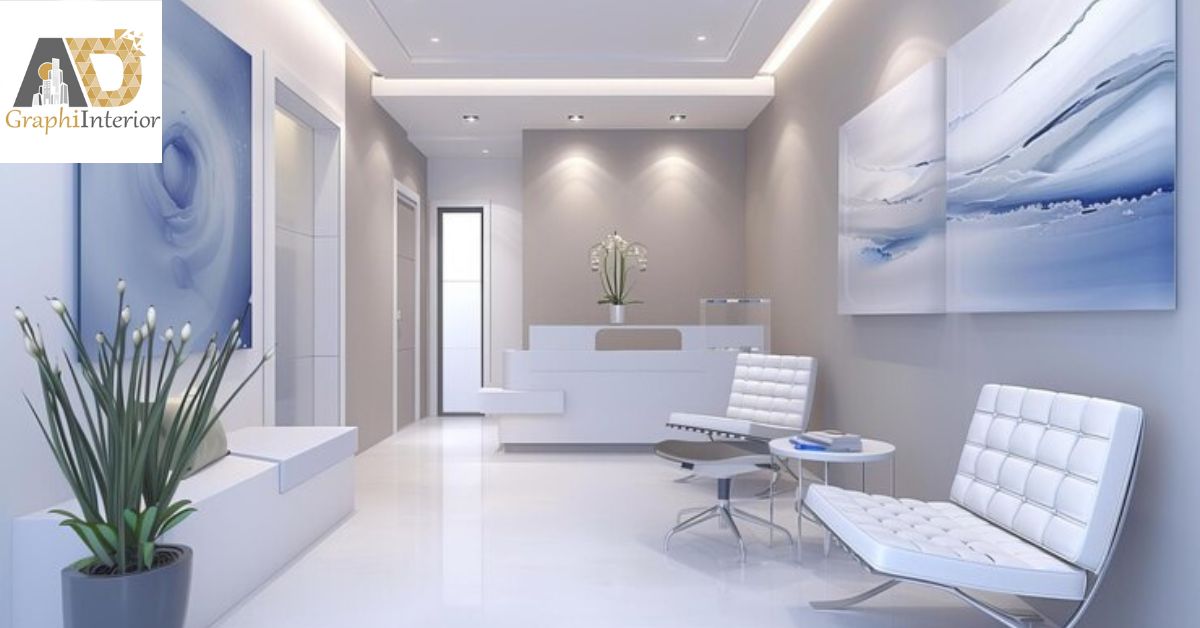
Clinic interior designers specialize in planning and furnishing medical environments such as general clinics, dental offices, aesthetic clinics, and specialist practices. Their work goes beyond simple decoration — it’s about creating efficient, safe, and compliant medical spaces that support both clinical function and emotional comfort.
Professional designers consider several critical factors:
- Workflow Efficiency: Every movement within a clinic must support productivity and hygiene. Designers plan corridors, waiting zones, treatment rooms, and staff areas to ensure logical, unobstructed circulation.
- Patient Experience: Color psychology, lighting temperature, and materials are chosen to reduce anxiety and promote calm.
- Regulatory Compliance: Designers ensure the facility meets healthcare standards, including infection control, accessibility, and fire safety.
- Durability and Maintenance: Furniture and finishes are selected for long-term use, ease of cleaning, and antimicrobial performance.
- Technology Integration: Designers plan for equipment placement, cable management, and digital health tools to ensure the clinic operates efficiently.
By addressing these elements from the start, clinic interior designers transform what could be a stressful environment into a functional and human-centered space that supports healing and trust.
Why Clinic Interior Design Matters
Enhancing Patient Trust and Comfort
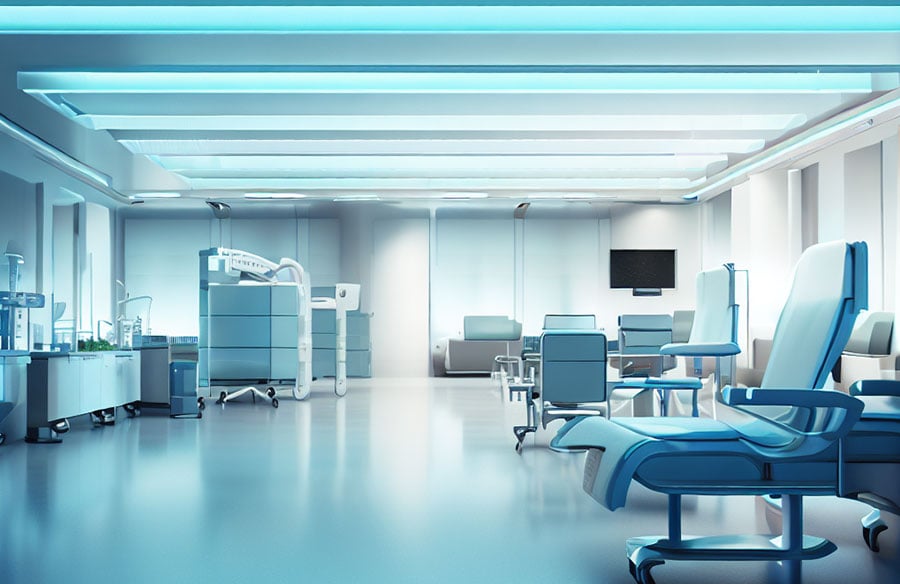
A clinic’s appearance is often the first impression that patients experience. A thoughtfully designed space communicates professionalism and care. Warm lighting, comfortable seating, intuitive layouts, and calming color palettes reduce patient anxiety and foster a sense of safety.
Research in healthcare design consistently shows that well-designed environments lead to faster recovery, reduced stress, and higher satisfaction levels. From waiting areas to treatment rooms, every design choice shapes how patients perceive the quality of medical service.
Boosting Staff Productivity and Well-Being
Healthcare staff spend long hours on their feet, moving between zones and performing detailed tasks. An efficient interior layout reduces unnecessary walking and strain, while ergonomic furniture helps prevent fatigue.
Proper ventilation and lighting also support concentration and comfort, reducing errors and improving job satisfaction. When staff feel better physically and mentally, patient care naturally improves.
Supporting Infection Control and Safety
In healthcare interiors, hygiene is paramount. Designers choose materials such as medical-grade vinyl, stainless steel, and epoxy floors for easy disinfection. They also create layouts that separate clean and contaminated areas to reduce cross-infection risks.
Proper ventilation systems, antimicrobial furniture, and easy-to-clean surfaces ensure that clinics maintain the highest safety standards.
Reinforcing Brand Identity
Modern clinics increasingly use interior design as a branding tool. CoColorchemes, materials, and spatial arrangements can express a clinic’s values — whether that’s cutting-edge innovation, holistic wellness, or luxury care.
By aligning the interior with brand identity, designers help clinics attract and retain the right clientele.
Real-World Product Examples for Clinic Interiors
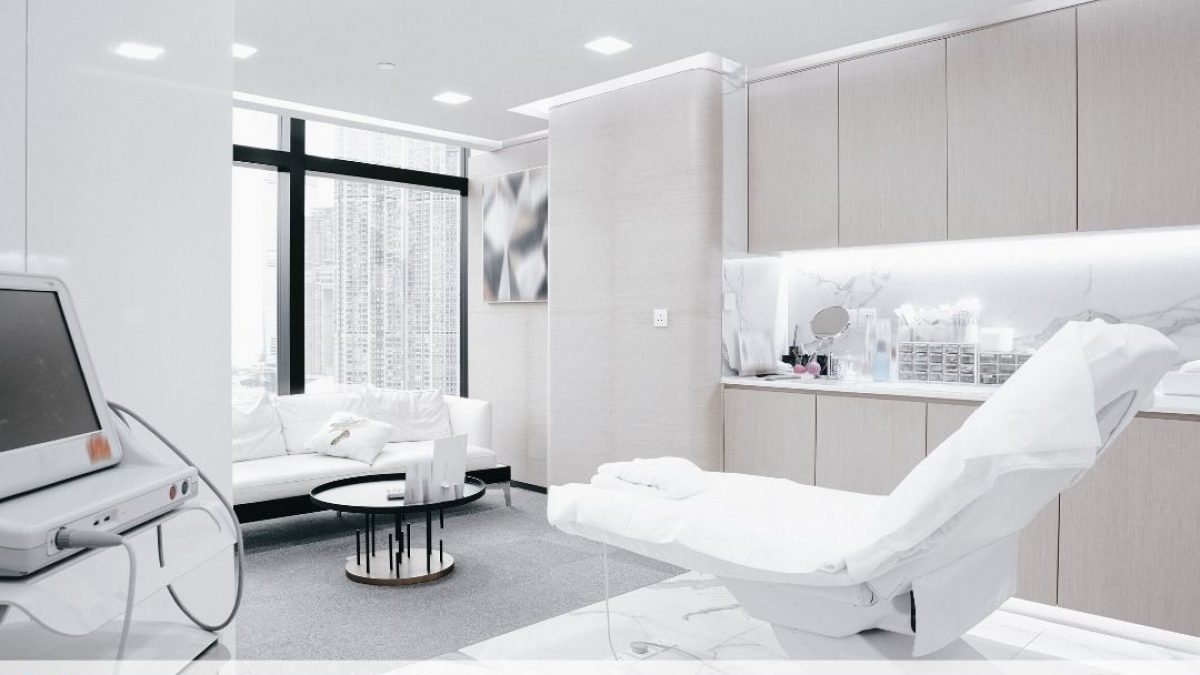
Below are five real-world examples of products frequently used in professional clinic interiors. Each example illustrates how design, ergonomics, and hygiene come together to support both staff and patients.
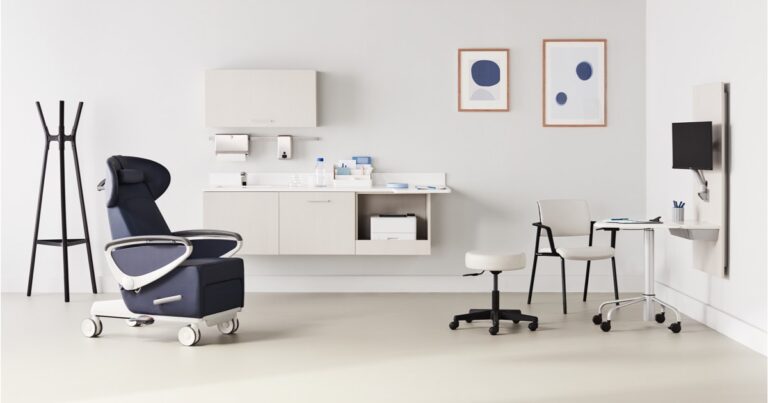
1. Procedure Chair – Electric Adjustable Treatment Bed
The electric procedure chair is one of the most versatile pieces of equipment in modern clinics. It is widely used in aesthetic, dermatology, and general treatment rooms.
Detailed Description:
This chair features momotorizedeight and tilt adjustment, high-density medical-grade upholstery, a steel frame, and swivel mobility. Some models include remote or foot control for effortless positioning.
Benefits:
- Enables precise patient positioning, reducing staff strain.
- Provides comfort and safety during examinations or minor procedures.
- Surfaces are easy to clean and resistant to disinfectants.
- Enhances efficiency by allowing quick adjustments between patients.
Use Case:
A dermatology clinic performing laser treatments benefits from an adjustable chair that positions patients accurately under lighting and equipment. This reduces setup time and ensures comfort for both patient and practitioner.
Why Clinics Need It:
It solves ergonomic problems in fixed examination beds and supports a wide range of procedures, making it cost-effective and future-proof.
Buying Tips:
Look for models with durable motors, antimicrobial vinyl covers, and warranty support. Choose suppliers specializing in medical furniture to ensure compliance with healthcare standards.
2. Stainless Steel Gynecology Examination Table
Gynecology examination tables are central to women’s health clinics, ensuring both comfort and safety during sensitive examinations.
Detailed Description:
Built entirely from stainless steel, this examination table features foldable leg supports, adjustable height, and removable sections for various procedures. Its seamless construction prevents dirt and bacteria accumulation.
Benefits:
- High resistance to corrosion and disinfectants.
- Adjustable design supports correct working posture.
- Stainless surfaces maintain hygiene and longevity.
- Enhances patient comfort through stable structure and ergonomic cushioning.
Use Case:
A private women’s clinic replacing outdated wooden furniture benefits from a stainless steel examination table that reduces infection risks and improves patient confidence.
Why Clinics Need It:
It directly addresses hygiene and ergonomic challenges in specialized examination environments.
Buying Tips:
Check for CE certification or local health equipment approval, availability of replacement parts, and ensure the table fits the clinic’s room layout.
3. Knock-Down Stainless Examination Table
Designed for small or remote clinics, this modular stainless table combines affordability with hygiene.
Detailed Description:
The knock-down format means it can be shipped flat and assembled easily on-site, ideal for clinics with narrow access or limited budgets. It maintains the same stainless hygiene standards as premium models.
Benefits:
- Lower shippincostsst and simple installation.
- Durable construction withstands heavy daily use.
- Easy to clean, resistant to chemicals and fluids.
Use Case:
Community clinics or satellite branches needia ng quick and cost-effective setup use this model to equip examination rooms without compromising hygiene standards.
Why Clinics Need It:
It solves logistical challenges and reduces startup costs while maintaining functional quality.
Buying Tips:
Confirm assembly instructions, material thickness, and structural stability before purchasing.
4. Premium Multi-Function Examination Table
Advanced examination tables such as the NAVIS series are designed for high-end or multi-specialty clinics.
Detailed Description:
This table includesan electric lift, adjustable head and leg sections, integrated stirrups, and soft-touch cushions. It’s built to accommodate various examination types, from general checkups to specialist procedures.
Benefits:
- Enhances versatility — usable across departments.
- Provides superior comfort with contoured cushioning.
- Increases workflow speed with electric controls.
- Reduces physical strain on healthcare providers.
Use Case:
In a multi-specialty clinic where one room must serve both general consultations and minor treatments, this table eliminates the need for multiple setups.
Why Clinics Need It:
It maximizes space, improves patient satisfaction, and supports the long-term adaptability of the clinic’s operations.
Buying Tips:
Check power requirements, service availability, and the quality of upholstery to ensure durability under frequent disinfection.
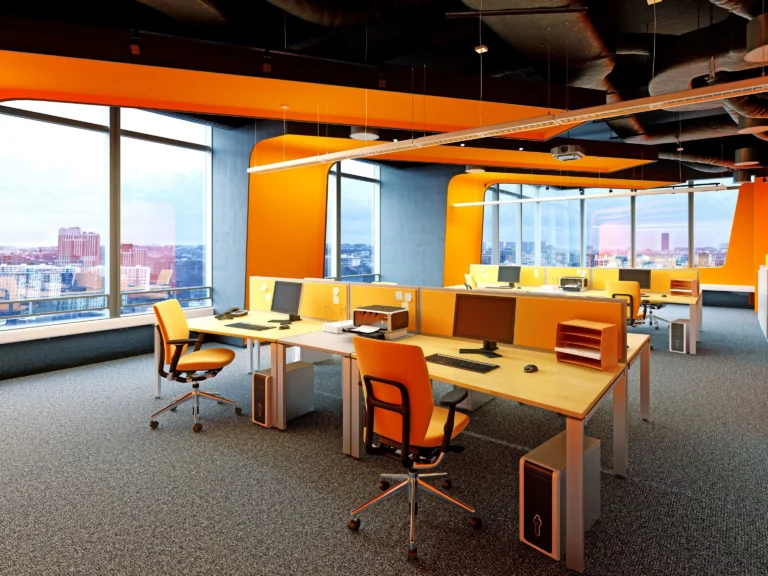
5. Modular Workstation for Administrative Areas
While patient zones receive the most design attention, administrative areas are equally important for clinic operations.
Detailed Description:
A modular workstation set provides six or more connected desks with integrated cable management, privacy panels, and durable melamine surfaces. It suits billing offices, reception back-ends, or staff workspaces.
Benefits:
- Promotesorganizedd workflow and space efficiency.
- Maintains a cohesive aesthetic consistent with clinical areas.
- Allows easy reconfiguration when the team expands.
Use Case:
A growing clinic with increasing administrative staff installs modular workstations to streamline document management and maintain visual order.
Why Clinics Need It:
It solves clutter, inconsistency, and poor ergonomics common in administrative corners, improving staff productivity.
Buying Tips:
Choose furniture that complements the clinic’s color scheme, includes ergonomic seating, and offers durable finishes for long-term use.
The Benefits of Using Technology in Clinic Interior Design
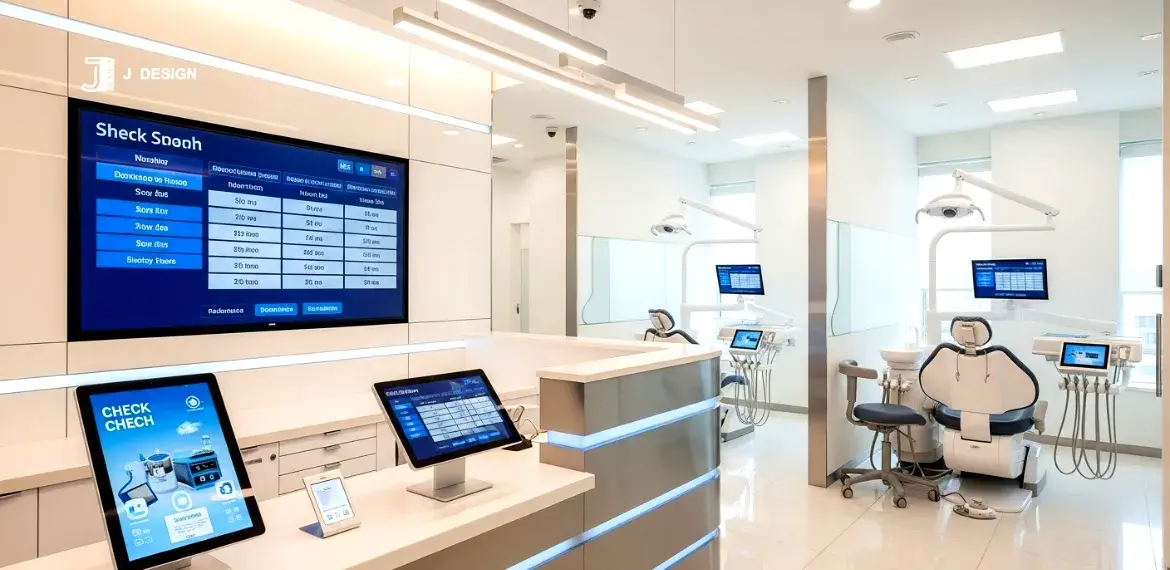
Modern clinic interior design integrates technology to improve functionality, hygiene, and adaptability.
- Smart Lighting Systems: LED fixtures with adjustable ccolortemperature create relaxing waiting areas and bright, focused treatment rooms.
- Ergonomic Automation: Electrically adjustable chairs and tables enhance patient handling and reduce staff injuries.
- Acoustic Panels and Sound Control: Noise reduction increases privacy and lowers stress levels.
- Digital Wayfinding and Signage: Helps patients navigate clinics easily, improving flow and reducing delays.
- Integrated Power and Data Points: Keeps devices ororganizednd supports telemedicine or digital record systems.
Technology not only increases efficiency but also future-proofs the space. Clinics equipped with adaptable systems can easily incorporate new medical technologies without major renovations.
How Design Solves Real Problems
1. Launching a New Medical Clinic
A startup clinic needed to transform an empty commercial unit into a functional medical environment. Designers planned the layout to separate patient and staff pathways, added modular treatment rooms, and used adjustable electric chairs for flexibility. The result was a professional facility that could expand its services without changing its core design.
2. Renovating a Women’s Health Center
An existing clinic with outdated furnishings replaced all examination tables with modern stainless models and added calming color palettes. The change improved patient comfort, reduced cleaning time, and reinforced a trustworthy image.
3. Expanding Administrative Areas
A multi-disciplinary healthcare group faced overcrowded offices. Designers introduced modular workstations and ergonomic chairs, improving staff efficiency by 30%. The design created a more pleasant workspace that aligned with clinical branding.
4. Upgrading a Dermatology Clinic
A cosmetic clinic introduced electric procedure chairs and dimmable LED lighting to improve patient comfort during aesthetic procedures. Adjustable furniture allowed faster transitions between clients, increasing daily capacity.
5. Building a Regional Branch
A healthcare network built a new branch in a smaller city. Designers chose knock-down stainless tables and modular furniture to simplify logistics and maintain brand consistency across locations. The project achieved fast deployment and reduced costs.
How to Buy Equipment for Clinic Interiors
Purchasing clinic furniture and equipment should follow a structured process:
- Identify Needs: List the number and type of rooms, equipment required, and the expected patient flow.
- Set a Realistic Budget: Include furniture, lighting, flooring, and installation.
- Research Reliable Suppliers: Choose vendors with medical furniture experience.
- Check Certifications: Products should comply with healthcare standards and safety guidelines.
- Compare Features and Materials: Consider hygiene, durability, ergonomics, and maintenance ease.
- Request Demonstrations or Samples: For high-value items, testing usability ensures comfort and reliability.
- Plan Delivery and Installation: Coordinate with interior designers to fit furniture with room layouts.
- Evaluate After-Sales Support: Ensure availability of spare parts and maintenance services.
Buying Advice:
It’s better to invest in fewer but higher-quality items than to fill the clinic with low-cost, non-compliant furniture. Quality medical furniture lasts longer, ensures patient safety, and supports efficient operations.
Why Investing in Clinic Interior Designers Pays Off
Hiring a professional interior designer for your clinic is not an expense — it’s an investment in performance, patient satisfaction, and brand longevity. Designers bring technical knowledge, project coordination, and creativity that transform an ordinary facility into a trusted healthcare environment.
They coordinate architects, suppliers, and contractors, ensuring that everything from lighting to furniture selection aligns with both medical function and aesthetic identity. The outcome is a clinic that operates efficiently, feels welcoming, and complies with regulations.
Conclusion
Clinic interior design is the hidden foundation of every successful healthcare business. From procedure rooms to reception areas, each element affects how people feel, work, and heal within the space. Through thoughtful planning, ergonomic products, and smart technology, clinic interior designers create environments that embody trust, safety, and innovation.
Whether you are launching a new medical practice or upgrading an existing facility, investing in design excellence and high-quality medical furniture will ensure your clinic remains both functional and inspiring for years to come.
Frequently Asked Questions (FAQ)
1. What makes clinic interior design different from regular interior design?
Clinic design must comply with medical regulations, hygiene standards, and ergonomic requirements. It prioritizes safety, functionality, and infection control while maintaining comfort and aesthetics.
2. How long does it take to complete a clinic interior project?
Depending on size and complexity, projects can take from two months for small clinics to over six months for large facilities. Proper planning with a designer ensures timely delivery and cost control.
3. Is hiring a professional clinic interior designer worth the cost?
Yes. A professional designer prevents layout mistakes, ensures compliance, selects durable materials, and enhances both patient and staff experience ,all of which add measurable long-term value to your practice.