Commercial Office Designer: The Key to Building Functional, Stylish, and Productive Workspaces
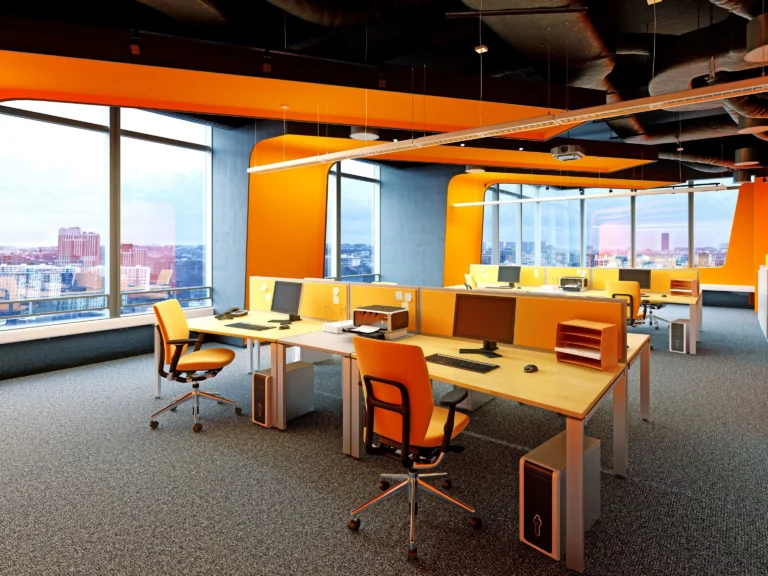
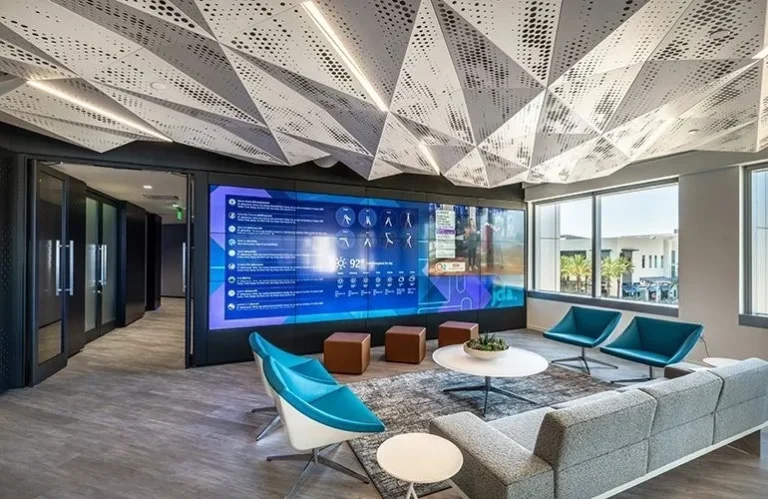
In the modern business world, your office is not just a place to work; it is an environment that reflects your company’s values, enhances productivity, and impacts employee well-being. The role of a commercial office designer has become essential for organizations that want to blend aesthetics, function, and brand identity into a single, high-performing workspace.
A commercial office designer doesn’t simply select furniture; they design experiences. They integrate architectural layouts, ergonomic systems, sustainable materials, and technological solutions to ensure the space supports creativity and efficiency. Whether your goal is to revamp a startup’s open-plan workspace or create a luxury executive office, the guidance of a professional designer is crucial.
What Does a Commercial Office Designer Do?
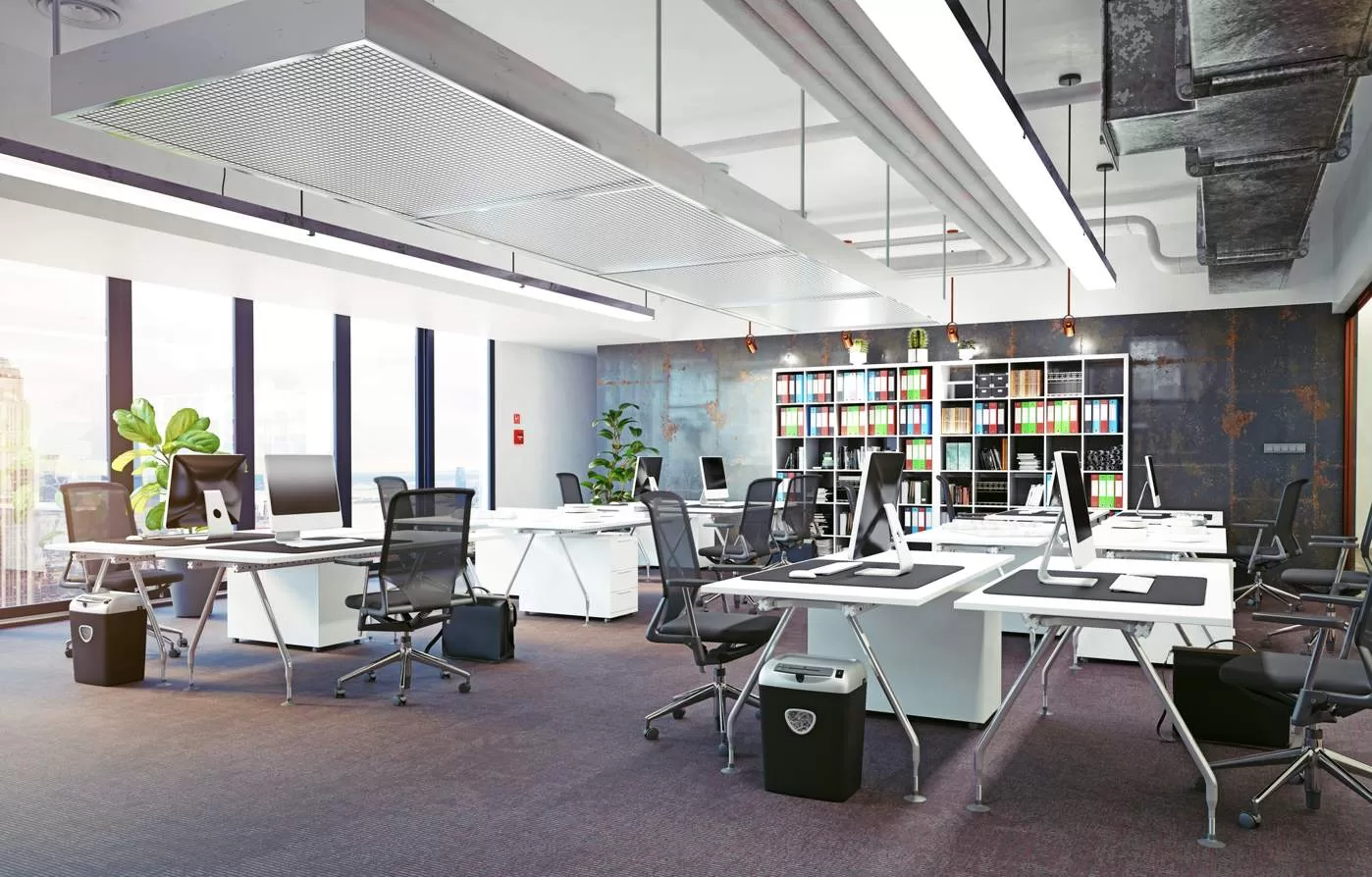
A commercial office designer is a professional who plans, organizes, and curates corporate interiors to achieve a balance between productivity, comfort, and brand expression. Their responsibilities include:
- Conducting space analysis and workflow studies.
- Designing layouts that improve movement, communication, and privacy.
- Selecting ergonomic furniture, durable materials, and lighting solutions.
- Integrating brand colors, textures, and aesthetics into the design language.
- Ensuring the space complies with safety, accessibility, and environmental standards.
They work closely with architects, business owners, and furniture manufacturers to ensure that every design decision enhances the daily operations of the organization.
An effective commercial designer considers every aspect of the environment, from the acoustics and lighting to the ergonomics and collaborative zones. The final result is not just a “beautiful” office, but a functional one that supports both physical comfort and emotional well-being.
Why Every Company Needs a Commercial Office Designer
Modern businesses are competing not only in products and services but also in how they retain talent and represent their brand. The office environment has become a powerful asset. Employees spend most of their day in this space, and its design directly impacts their performance.
A well-designed office promotes focus, motivation, and happiness. It reduces absenteeism and increases productivity. Moreover, the environment serves as a statement piece to clients and visitors, communicating professionalism and success.
Engaging a commercial office designer ensures that your space is optimized for people, purpose, and progress, not just filled with furniture.
The Benefits of Hiring a Commercial Office Designer
Improved Productivity and Employee Comfort
One of the biggest benefits of hiring a commercial office designer is enhanced productivity through comfort and ergonomics. Many employees suffer from fatigue, back pain, or eye strain due to poorly designed workstations. A designer addresses this by choosing ergonomic chairs, properly sized desks, and lighting that minimizes glare.
The designer also understands spatial psychology, how layout affects mood and movement. For instance, employees perform better when they can access natural light, have comfortable seating, and enjoy balanced acoustic conditions. A professionally designed office provides all of these while maintaining visual appeal.
Reflecting Your Brand Identity
Your office space is a physical representation of your brand. A creative, tech-forward company may prefer modern, minimalist interiors with bold accents, while a law firm may lean toward timeless, elegant furnishings that project stability and trust.
A commercial office designer ensures that every color, texture, and furniture choice aligns with your company’s brand story. They can even use layout and materials to reinforce corporate culture, for example, open collaborative zones for teamwork-driven companies, or private booths for confidentiality-focused firms.
Adaptability and Future-Proofing
Today’s offices must evolve as quickly as business itself. Work models are shifting from fixed desks to hybrid or shared setups. Technology is also changing how we use space. A skilled designer anticipates these needs and implements modular furniture systems that can be easily reconfigured.
By using movable partitions, adjustable desks, and flexible lighting, companies can save money on future renovations. This adaptability also supports new hires, restructured teams, or even downsizing without massive infrastructure changes.
Better Space Utilization and Cost Efficiency
Inefficient layouts waste space and increase rent costs. A professional designer calculates optimal spatial ratios: how much room each department needs, ideal circulation paths, and how to maximize usability. They find creative ways to use under-utilized corners, turning them into lounges, collaboration hubs, or micro-meeting zones.
This level of planning ensures your company gets maximum value per square meter, saving money while enhancing employee satisfaction. Even if premium furniture costs more upfront, it lasts longer, offers better performance, and reduces the long-term cost of replacements and injuries.
Real-World Product Examples in Commercial Office Design
Below are five high-quality products that commercial office designers often use to create productive, stylish workspaces. Each product demonstrates how good design meets comfort, durability, and corporate elegance.
Herman Miller Sayl Chair
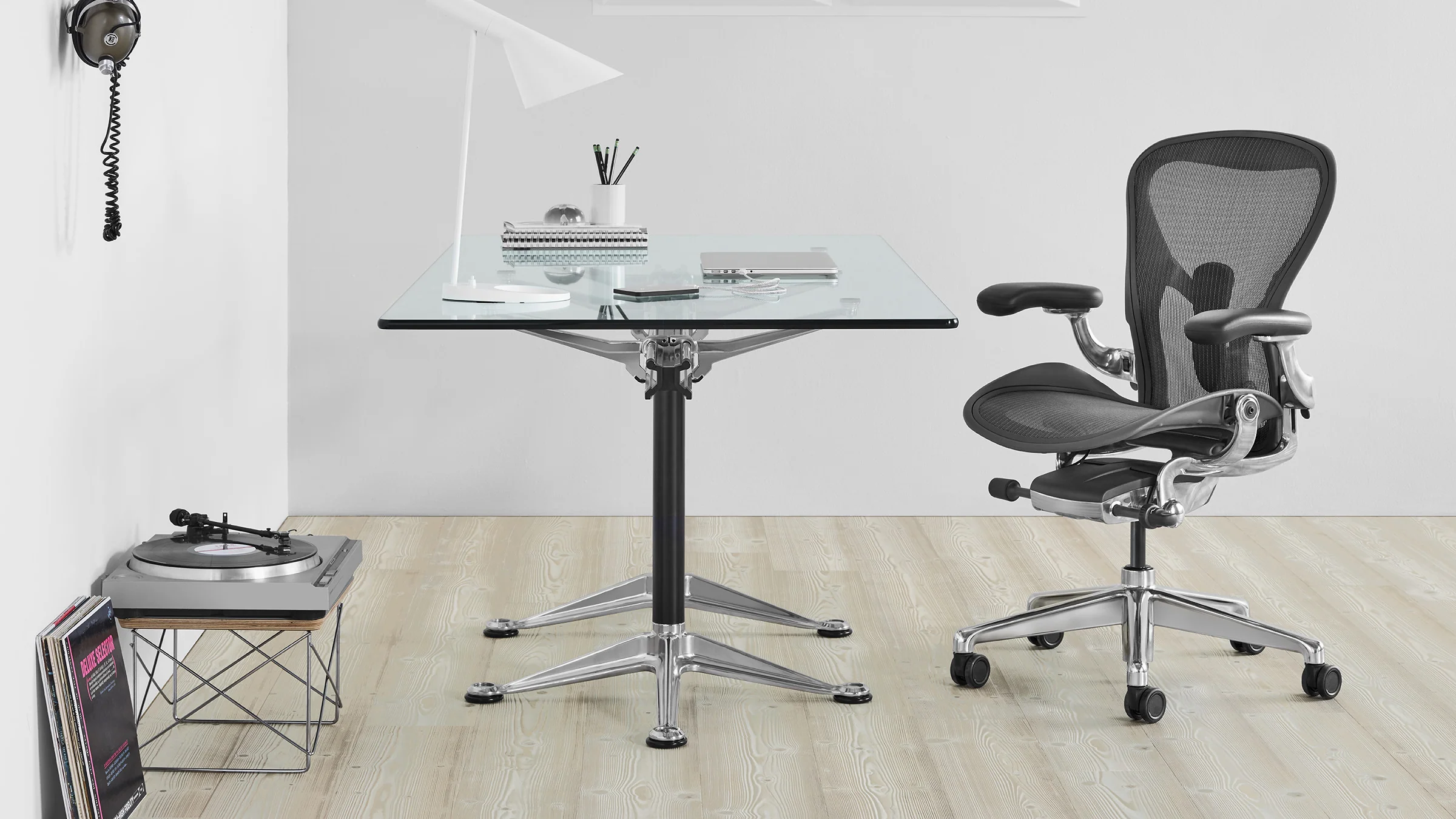
Description:
Designed by Yves Béhar, the Sayl Chair by Herman Miller is an ergonomic masterpiece. Its signature Y-frame design mimics the suspension of a bridge, providing dynamic support and flexibility. The frameless back allows natural movement while maintaining spinal alignment, ensuring comfort during long hours of desk work.
Benefits:
- Promotes correct posture and prevents musculoskeletal pain.
- Adjustable features suit users of different heights and preferences.
- Stylish and recognizable design enhances the professional image of the workspace.
- High-quality materials guarantee longevity and sustainability.
Use Case & Why You Need It:
Ideal for high-performance workstations, boardrooms, or executive offices where both design and ergonomics are essential. It solves problems related to prolonged sitting, fatigue, and discomfort, making it a vital tool for modern productivity.
How to Buy:
Available through authorized Herman Miller distributors or professional office furniture retailers. When buying, ensure the warranty and adjustment options are included.
Fantech Electric Standing Desk
Description:
This modern standing desk allows effortless transition between sitting and standing positions with the touch of a button. Equipped with electric motors and memory presets, it enables employees to maintain flexibility and movement throughout the day.
Benefits:
- Reduces the health risks of prolonged sitting, such as back pain and low circulation.
- Increases energy levels and focus.
- Adjustable height supports different working styles from focused solo tasks to quick standing meetings.
- Encourages collaborative and dynamic work habits.
Use Case & Why You Need It:
Perfect for hybrid offices, creative studios, or hot-desking environments. The Fantech desk helps combat the sedentary lifestyle typical in corporate settings, promoting a culture of wellness and adaptability.
How to Buy:
Available from major office supply outlets and online furniture stores. Look for reputable sellers offering installation services and electrical safety certifications.
Luxurious Marble Executive Desk
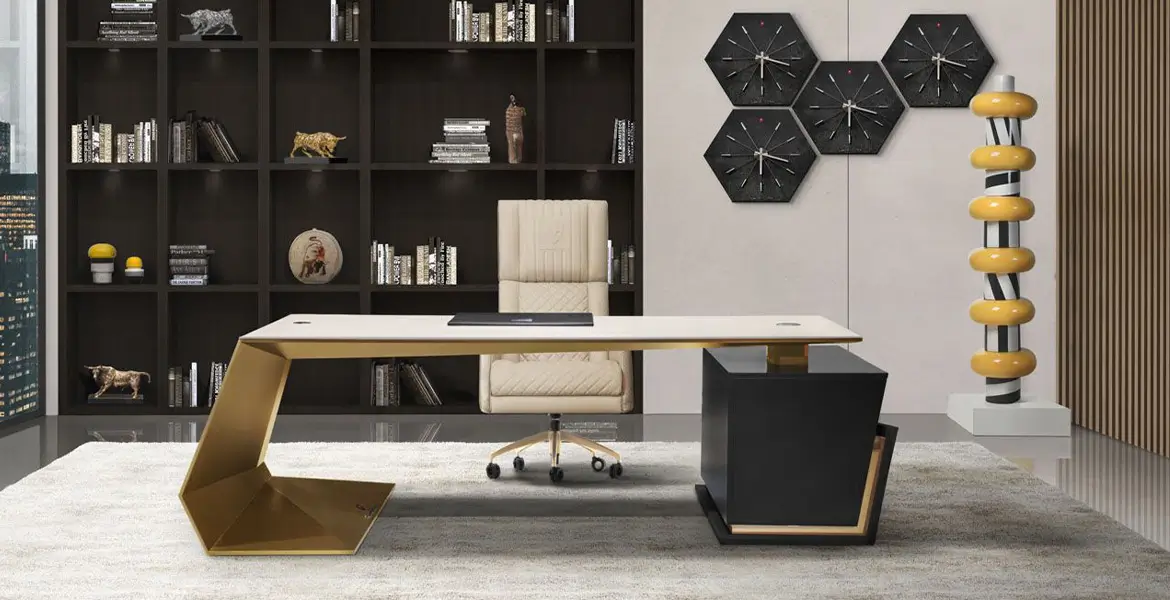
Description:
This executive desk features a natural marble top combined with a sturdy metal base, exuding sophistication and authority. It’s designed for CEOs, directors, and managers who need a durable yet elegant centerpiece in their workspace.
Benefits:
- Conveys luxury and leadership, making a strong visual impression.
- Provides a durable and heat-resistant surface ideal for long-term use.
- Easy to maintain and resistant to scratches compared to wooden finishes.
- Enhances the executive ambiance of an office.
Use Case & Why You Need It:
A perfect choice for executive suites, boardrooms, and client-facing offices where aesthetics play a crucial role. It solves the problem of generic furniture that fails to represent the company’s prestige or quality standards.
How to Buy:
Order from premium furniture manufacturers or bespoke carpentry studios that specialize in marble or natural stone furniture. Confirm shipping and installation details before purchase.
Modern Fabric Business Lounge Sofa
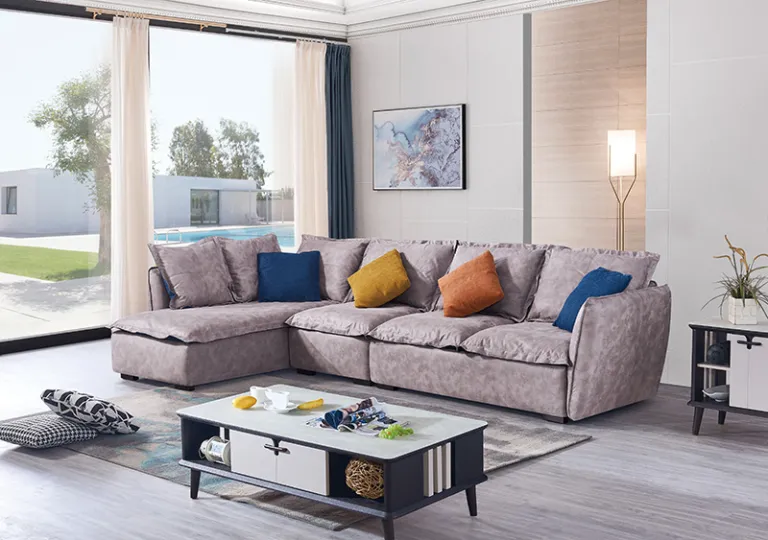
Description:
This high-end sofa is designed for conference rooms, VIP lounges, and collaborative zones. Its clean lines, plush cushions, and modular configuration make it both practical and elegant. It provides a comfortable yet professional setting for informal discussions or waiting areas.
Benefits:
- Creates an inviting and relaxed space for clients and employees.
- Supports informal collaboration and creative brainstorming.
- Improves the overall atmosphere of the office by adding texture and warmth.
- Durable fabric ensures long-term use even in high-traffic areas.
Use Case & Why You Need It:
Ideal for reception areas, breakout lounges, and collaborative corners. It solves the issue of rigid office environments that discourage casual interaction. By introducing comfort and flexibility, it enhances human connection and creativity.
How to Buy:
Purchase from reputable office furniture suppliers or design studios. Choose fabric and color options that align with your brand identity and office palette.
Modera Executive Desk Right ED 1890 R
Description:
The Modera Executive Desk combines form and function with a right-hand return layout, providing generous workspace and built-in storage. It’s made from premium wood veneer with elegant detailing and is ideal for senior management offices.
Benefits:
- Integrates a large working surface with practical storage solutions.
- Adds visual authority and structure to an executive environment.
- High-quality materials ensure durability and a timeless appearance.
- Supports multi-tasking and organization for busy professionals.
Use Case & Why You Need It:
Perfect for leadership offices, managerial rooms, or anyone needing a combination of workspace and storage. It solves problems related to cluttered desks and insufficient working space, offering both elegance and practicality.
How to Buy:
Can be sourced through authorized Modera retailers or interior design suppliers. Always verify size specifications, finish options, and delivery arrangements before purchase.
How to Buy Office Furniture Through a Commercial Office Designer
Working with a commercial office designer simplifies the buying process because they have relationships with trusted suppliers, manufacturers, and logistics partners. However, understanding the process helps you make better decisions:
- Define Your Requirements:
Work with your designer to identify needs based on your company’s size, culture, and workflow. Determine how many desks, seating areas, and meeting zones you require. - Set a Clear Budget:
Establish an investment range early. Include costs for furniture, installation, shipping, and contingency for custom orders. - Evaluate Quality and Warranty:
Focus on long-term durability. Check product warranties, materials, and after-sales support to ensure reliability. - Confirm Measurements and Layout Compatibility:
Each furniture piece must fit within the floor plan. Designers use scaled layouts to avoid congestion or imbalance. - Consider Customization:
Many furniture manufacturers offer color, finish, or configuration options to match brand aesthetics. Discuss these with your designer to maintain cohesion. - Plan for Logistics:
Coordinate shipping timelines, installation dates, and setup procedures. For international products, check import lead times and assembly requirements. - Pilot Testing:
Before mass purchasing, test sample chairs or desks to ensure comfort and performance. - Monitor Feedback:
After installation, gather employee feedback to identify any issues or additional needs. Continuous improvement ensures your workspace remains functional and engaging.
Real Problems Solved by a Commercial Office Designer
1. Open-Plan Startup Workspace
The Problem:
Startups often grow fast but lack sta structured design. Open layouts can lead to noise, distraction, and inefficient use of space.
The Solution:
A commercial office designer uses modular workstations, acoustic panels, and flexible zones to balance collaboration and focus. Ergonomic chairs and standing desks maintain health while promoting an energetic culture. Lounge sofas add comfort for informal team meetings.
2. Corporate Executive Suite
The Problem:
Established companies may need to upgrade outdated offices that fail to reflect prestige and modern standards.
The Solution:
Using luxury materials such as marble, high-end wood veneers, and designer furniture, a professional creates an atmosphere of authority and elegance. The environment supports leadership presence while remaining comfortable for extended hours and high-profile client meetings.
3. Hybrid Work Environment
The Problem:
Many modern offices are transitioning to hybrid work models, where employees share spaces instead of having assigned desks.
The Solution:
Designers implement flexible, height-adjustable furniture and mobile seating solutions. Workstations become multi-functional zones. Standing desks and modular storage systems adapt easily, while soft seating areas promote informal collaboration. This setup solves problems of space under-utilization and employee discomfort.
4. Wellness-Focused Office
The Problem:
Sedentary behavior and poor air quality affect employee health and morale.
The Solution:
A commercial office designer integrates ergonomic seating, standing desks, biophilic design elements, and optimized lighting to support well-being. Improved layout and furniture selection encourage natural movement, better posture, and energy throughout the day.
5. Client-Centric Reception Area
The Problem:
First impressions matter, but many reception areas feel cold or uninviting.
The Solution:
The designer selects elegant yet comfortable furniture like lounge sofas, accent lighting, and brand-aligned artwork. The result is a welcoming environment that reflects professionalism and attention to detail.
Why Investing in Commercial Office Design Matters
Hiring a commercial office designer is not an expense — it’s an investment in productivity, brand image, and employee satisfaction. The right design reduces operational inefficiencies, promotes collaboration, and ensures long-term adaptability.
A designer brings structure, creativity, and technical knowledge to the process. They ensure the furniture, lighting, and materials you choose are not only beautiful but also functional, safe, and sustainable. The ultimate goal is to create a workplace that feels inspiring, professional, and human.
Frequently Asked Questions (FAQ)
1. What’s the difference between a commercial office designer and an interior decorator?
A commercial office designer focuses on function, ergonomics, and workflow optimization, in addition to aesthetics. An interior decorator typically emphasizes style and color without addressing technical requirements like lighting, acoustics, or furniture ergonomics.
2. How much does it cost to hire a commercial office designer?
Costs vary based on the project’s size, location, and furniture brands chosen. A small office might require a few thousand dollars for design services, while large corporate projects can reach hundreds of thousands. The key is balancing long-term value over short-term savings.
3. How long does a commercial office design project take?
Depending on scope and customization, small projects may take 4–6 weeks, while large-scale office builds can require 3–6 months. Planning ensures smooth delivery, especially when ordering custom furniture.