Accurate Home Selling Estimate: How to Determine the True Value of Your Property Before You Sell
Selling your home is one of the most important financial decisions you’ll ever make. Before you list your property, knowing its true market value is crucial. An accurate home-selling estimate helps you set a competitive asking price, attract serious buyers, and close the deal faster. In today’s digital world, you can access powerful online tools and professional services that calculate your home’s worth with impressive precision.
In this article, we’ll break down everything you need to know about home selling estimates — from how they work, their benefits, real-world tools that help homeowners, to detailed use cases and buying guidance.
What Is a Home Selling Estimate?

A home selling estimate is an approximate calculation of your property’s current market value based on various factors such as location, square footage, condition, recent sales in the area, and real estate trends.
Unlike traditional appraisals that require an in-person visit by a licensed professional, many modern home-selling estimators use advanced algorithms and databases to generate accurate valuations instantly.
These tools are often provided by trusted mortgage companies, real estate platforms, or financial institutions. They help homeowners decide whether it’s the right time to sell and what price range they can expect.
How Home Selling Estimates Work
Most home-selling estimators use Automated Valuation Models (AVMs). AVMs analyze massive amounts of property data — including recent home sales, tax assessments, and price trends — to create a real-time valuation.
Here’s how it typically works:
- Input Data: You enter key details about your property, such as location, size, number of bedrooms, upgrades, and amenities.
- Data Comparison: The system compares your property with similar homes in the same area that were recently sold or listed.
- Algorithmic Analysis: Machine learning models calculate an estimated price range based on all collected data points.
- Result Output: Within seconds, you receive a detailed estimate showing your home’s potential value in the current market.
Benefits of Using a Home Selling Estimate
A home selling estimate offers a variety of advantages for homeowners, buyers, and real estate agents alike.
Saves Time and Money
Getting a quick estimate online is far cheaper and faster than hiring an appraiser for an in-person evaluation. It allows homeowners to assess the potential sale price in minutes.
Helps Set a Competitive Asking Price
By understanding your home’s fair market value, you can avoid overpricing (which drives buyers away) or underpricing (which costs you potential profit).
Supports Negotiations
When you know your property’s accurate worth, you can confidently negotiate with buyers and agents.
Identifies Market Trends
These estimators also give insights into current market conditions, helping you decide whether to sell now or wait for better opportunities.
Real-World Examples of Home Selling Estimate Tools
Below are five leading examples of home-selling estimation tools and services that homeowners often use to determine property value accurately.
Zillow Home Value Estimator
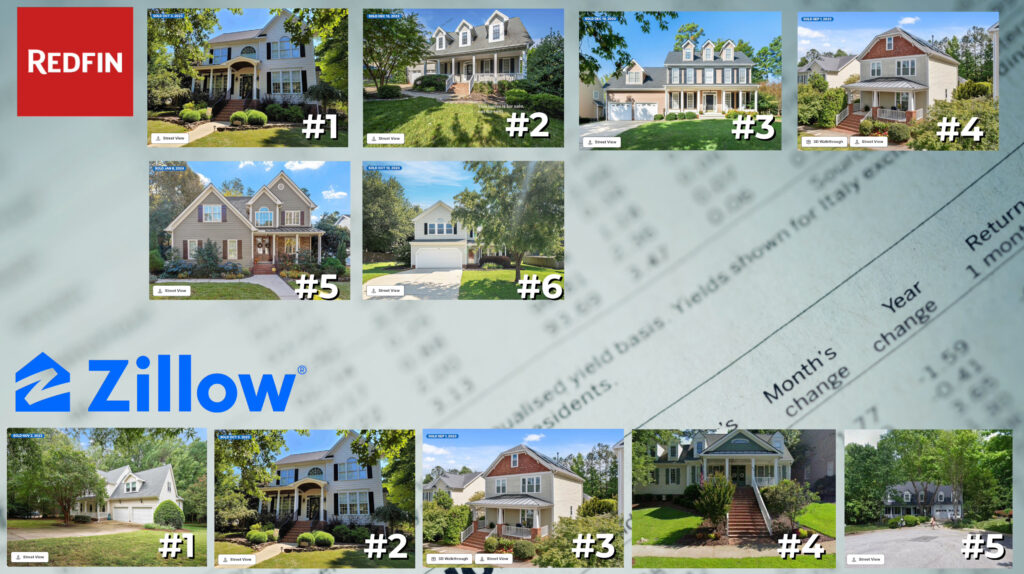
Zillow offers one of the most widely recognized home estimation tools in the U.S., known as the Zestimate. This system uses AVM technology, pulling data from millions of homes and local market trends to provide near-instant valuations.
The Zestimate is updated daily, ensuring that your property’s value reflects the latest real estate conditions. Users can also refine their estimate by adding information about renovations or unique features.
Why it’s useful: Zillow’s estimator helps homeowners gauge their property’s market potential before listing. It also provides a range, not just one number, to help you understand possible price fluctuations.
Redfin Estimate

Redfin’s valuation tool offers a highly accurate estimate based on MLS (Multiple Listing Service) data. Its algorithm analyzes homes that are actively for sale, pending, or recently sold near your address.
What makes Redfin unique is that it combines algorithmic analysis with human expertise from its network of local agents.
Why it’s useful: Redfin’s tool often provides estimates that are closer to final sale prices than competitors, making it an excellent option for those ready to sell.
Realtor.com Home Value Tool
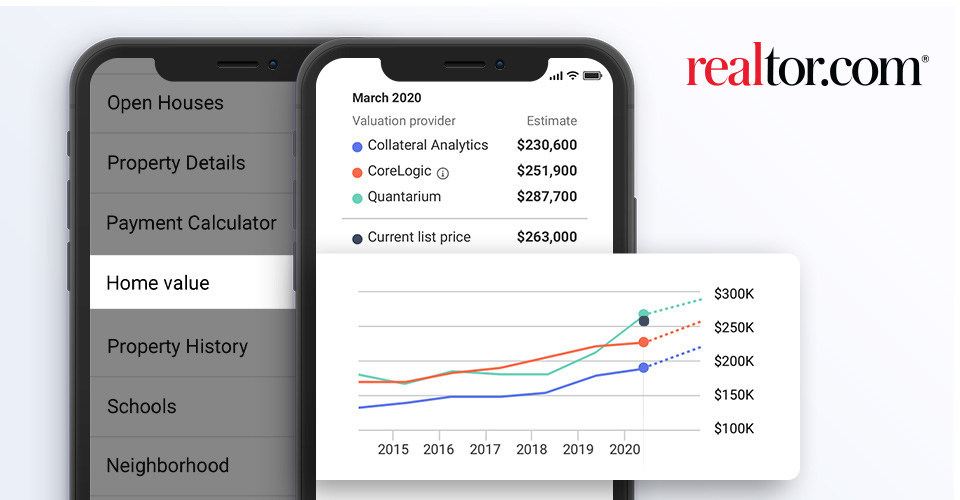
Realtor.com provides an easy-to-use interface that collects valuations from multiple sources, including CoreLogic and Collateral Analytics. It presents users with a range of estimates instead of a single number, offering a more balanced view of the market.
Why it’s useful: Realtor.com’s tool gives a clear comparison between different valuation models, helping you make a more informed decision before selling.
PennyMac Home Value Estimator
PennyMac’s estimator is designed for homeowners considering refinancing or selling. It uses data from local market transactions, property features, and economic trends to produce a reliable estimate.
Why it’s useful: PennyMac integrates mortgage and refinancing tools, giving users both property value insights and financial planning resources in one place.
Chase Home Value Estimator
Chase’s estimator provides a clean, data-driven valuation system that combines property record databases with recent neighborhood sales.
Why it’s useful: As part of a major financial institution, Chase’s estimator is known for security, reliability, and easy integration with mortgage services.
The Technology Behind Home Selling Estimates
Modern valuation tools rely on AI-powered algorithms and big data analytics. Here’s what happens behind the scenes:
- Data Collection: Information is gathered from government records, MLS databases, and user-submitted details.
- Machine Learning Models: These algorithms are trained on millions of historical home transactions to improve accuracy.
- Predictive Analytics: The system predicts future price trends by analyzing neighborhood development, demand, and local economy.
- User Interaction: Homeowners can adjust data (like adding renovations or upgrades) to refine results for more precision.
This technology ensures your estimate isn’t just a guess — it’s based on factual, data-backed insights that reflect the real market situation.
Benefits of Technology-Driven Home Selling Estimates
Increased Accuracy
AI tools continually learn from new data, which means your home estimate becomes more precise over time.
Real-Time Market Adaptation
Property values change quickly, and automated systems can update their databases daily or weekly, ensuring your valuation is always current.
Accessibility for Everyone
You don’t need professional experience in real estate — these tools simplify the process for any homeowner.
Integration with Financial Services
Some platforms also provide additional tools like refinancing calculators, mortgage rate estimators, and affordability trackers.
Common Problems Solved by Home Selling Estimates
Eliminating Pricing Confusion
Many homeowners struggle to decide what their home is worth. Estimation tools bring clarity by offering a data-backed range.
Avoiding Emotional Pricing
Sellers often overvalue their homes due to personal attachment. A digital estimator provides an unbiased assessment based purely on market facts.
Speeding Up Sales
Homes priced correctly from the start typically sell faster than those listed above market value.
Attracting Serious Buyers
A realistic price point increases buyer confidence, reducing the number of negotiations and canceled offers.
How to Buy or Access Home Selling Estimate Services
Accessing a home selling estimate doesn’t require a traditional purchase — most tools are free and accessible online. However, professional appraisal services are also available for a more comprehensive evaluation.
Here’s how to start:
- Visit a reputable home estimation website (like Zillow, Redfin, or PennyMac).
- Enter your home address and relevant property details.
- Review the estimated value and the price range provided.
- If needed, contact a real estate agent or appraiser for a professional follow-up.
For homeowners looking for more accuracy, investing in a professional valuation service or appraisal consultation is often worth it before listing a property.
Conclusion
An accurate home-selling estimate is essential for any homeowner planning to sell a property. It provides clear insights into your property’s worth, ensures you set the right asking price, and speeds up the selling process. By using advanced digital tools like Zillow, Redfin, and PennyMac, you can access real-time data that empowers smarter financial decisions.
Frequently Asked Questions
1. How accurate are home-selling estimates?
Home selling estimates are generally reliable but may vary depending on the source and the available data. For the most precise results, use multiple estimation tools and compare the results with professional appraisals.
2. Can I increase my home value before selling?
Yes. Renovations, kitchen upgrades, repainting, and landscaping improvements can significantly raise your home’s market value. These enhancements make your listing more appealing to buyers.
3. Do I need to pay for a home-selling estimate?
Most online tools are free to use. However, professional appraisals performed by licensed experts typically cost between $300 and $600, depending on location and property size.