Understanding the PennyMac Home Value Estimator: A Complete Guide to Knowing Your Home’s True Worth
Knowing how much your home is worth is one of the most powerful pieces of financial information you can have. Whether you’re planning to sell, refinance, or simply track your wealth, understanding your home’s market value helps you make smarter decisions.
The PennyMac Home Value Estimator is an online tool that gives you a quick and easy estimate of your home’s current value. It uses a system called an Automated Valuation Model (AVM) that pulls information from public data, recent nearby home sales, and property details to create a valuation report in seconds.
This tool gives you a big-picture view of what your home might sell for in the current market. While it’s not an official appraisal, it helps you stay informed before you make big financial choices—like selling your home, refinancing, or taking out a home equity loan.
Having this estimate can also save time and money. It prevents you from underpricing your home, helps you decide if it’s worth making renovations before selling, and provides a strong reference point when negotiating with buyers or lenders.
How the PennyMac Home Value Estimator Works

The Technology Behind It
The PennyMac estimator uses data science and real estate analytics to estimate your home’s worth. When you enter your home address, the tool pulls data such as:
- Your home’s size, lot area, and number of bedrooms/bathrooms
- Local property sales in your area
- Market trends and pricing movements
- Historical property data
The Automated Valuation Model compares your home with similar nearby properties—called “comps”—that recently sold. It then calculates a value range and provides an estimated price per square foot.
This approach works best for homes in areas where there are many recent comparable sales. The more data available, the more accurate the estimate. However, it may be less accurate for custom-built homes or properties in rural locations.
The Estimation Report
When you use the tool, you’ll receive a simple report that includes:
- Estimated market value range
- Property details such as lot size and building year
- Estimated price per square foot
- Comparable sales in your area
- Value trends over time
It’s an instant and free service that requires very little input. While not a replacement for a professional appraisal, it provides a quick snapshot of your home’s current standing in the market—something that’s valuable whether you’re selling soon or simply monitoring your investment.
Benefits of Using the PennyMac Home Value Estimator

1. Quick and Easy to Use
Traditional home appraisals can take days or even weeks. In contrast, the PennyMac estimator provides an instant result with just an address. This makes it ideal for homeowners who want fast information before taking the next step.
For example, if you’re thinking of listing your home but aren’t sure what it’s worth, you can use the tool to see an approximate value before contacting a real estate agent.
2. Helps You Plan Financial Moves
Knowing your home’s estimated value can help you:
- Decide whether to refinance at a lower interest rate.
- Estimate how much equity you have for a home equity loan.
- See if it’s the right time to sell.
If your estimated home value has increased over time, it could mean your equity has grown and you’re in a strong financial position. On the other hand, if values have dropped, it may be smarter to hold off on selling until the market improves.
3. Offers Data-Based Confidence
The estimator uses real market data—not guesses—to help you understand what drives your property’s worth. By reviewing nearby sales, you can see how other homes are priced and what features add value, like updated kitchens, new roofs, or energy-efficient upgrades.
Armed with this information, you can make more confident decisions, whether you’re negotiating with buyers or deciding which renovations to invest in.
4. Saves You Money
Since the estimator is free to use, you can get valuable insight without spending a cent. Instead of immediately paying for an appraisal or consulting multiple agents, you can start with a quick online check. Then, if needed, you can follow up with professionals for a more detailed report.
Limitations to Keep in Mind
While the PennyMac Home Value Estimator is a powerful tool, it does have limitations:
- It’s not a professional appraisal.
A licensed appraiser physically inspects your property and accounts for its condition, recent upgrades, and local factors that an algorithm cannot detect. - Accuracy depends on available data.
If there aren’t many recent sales in your area, the estimate may be less precise. - It doesn’t “see” your home.
The system can’t tell if you’ve remodeled your kitchen, added a pool, or neglected maintenance. These real-world factors can significantly affect your home’s value. - Use it as a guide, not a guarantee.
Treat the estimate as a starting point. Combine it with a realtor’s market analysis or an official appraisal before making major financial decisions.
Related Tools That Support Home Value Estimation

Below are five helpful real-world tools that complement the PennyMac Home Value Estimator. Each one serves a specific role in improving your property’s value, understanding, presentation, or decision-making.
Budget Control and Home Value Planner
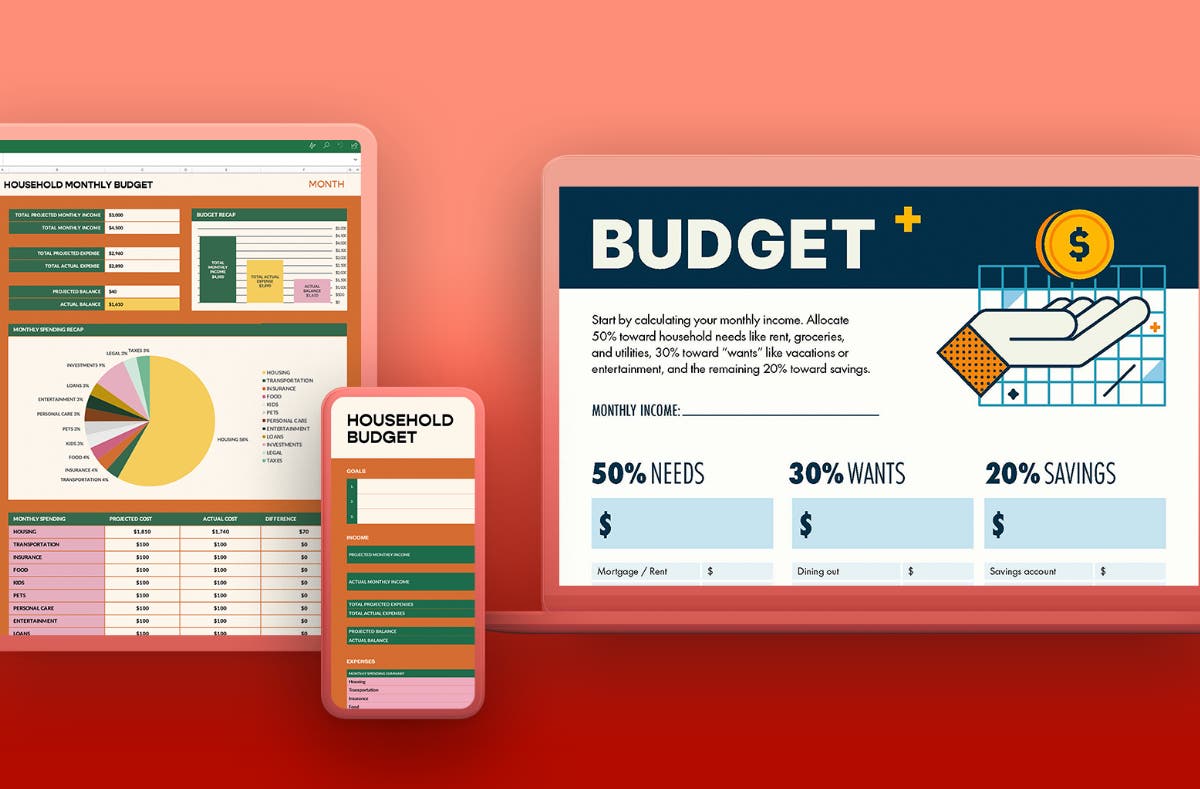
This is a digital budgeting tool designed for homeowners who want to plan renovations, track costs, and estimate how upgrades might affect home value. It usually comes as a downloadable Excel or Word file with easy-to-use templates.
You can record your renovation expenses, compare them against expected home value increases, and visualize your potential return on investment.
Use case:
Let’s say the estimator shows your home is worth less than similar properties because your kitchen is outdated. You can use this budgeting tool to plan a renovation, calculate the cost, and see whether the project will add enough value to justify the expense.
Why you need it:
It helps you make financially smart renovation choices that actually increase your property’s worth instead of overinvesting in non-essential upgrades.
AutoCAD Home Design Software
AutoCAD is a professional design tool that allows you to create accurate floor plans, visualizations, and remodeling designs. It’s perfect for homeowners planning to make structural improvements or present renovation ideas to contractors.
Use case:
If you’re planning to expand your living area or remodel the layout, AutoCAD helps you design and visualize your changes before spending any money. This makes it easier to discuss your ideas with professionals or potential buyers.
Why you need it:
Visual plans can add credibility to your selling or refinancing process, showing buyers and lenders that your property has clear value potential.
Home Pricing Calculator Template
This tool, often available as a spreadsheet, helps you calculate how much profit you might make from home upgrades. You can enter renovation costs and projected value increases to determine whether the improvements make financial sense.
Use case:
After checking your estimated home value, you realize new flooring could raise your price. You use this calculator to estimate if spending $10,000 might increase your value by $15,000 or more.
Why you need it:
It gives you a clear return-on-investment picture before committing to costly renovations.
Energy Efficiency & HVAC Design Software
Energy-efficient homes often sell for higher prices. This type of software helps you model your home’s heating, cooling, and energy usage to see where upgrades could improve performance.
Use case:
If your home value estimate is lower than expected due to outdated HVAC systems, this software can help you plan upgrades that cut energy bills and increase resale value.
Why you need it:
Energy-efficient systems not only attract buyers but also save money long-term, adding value both now and later.
Terrain and Land Visualization Software
For homes with large lots or special landscapes, this advanced software can model your property’s outdoor space. It’s especially useful for luxury homes or properties where land improvements (like adding a garden or pool) can boost value.
Use case:
If your home has a large backyard that’s currently unused, you can use this tool to plan an outdoor living area or pool and visualize its impact on your property value.
Why you need it:
It helps you see your property’s full potential and demonstrate added value to future buyers.
How to Use These Tools Together
- Start with the PennyMac Home Value Estimator – Get your property’s estimated market value.
- Identify value gaps – Look for reasons your home might be valued below similar homes nearby.
- Plan improvements – Use the budgeting or design tools to create a plan for upgrades that could raise your value.
- Evaluate cost vs. return – Calculate whether each upgrade will increase your home’s worth enough to justify the expense.
- Recheck your home’s value – After renovations, use the estimator again to see if your home’s worth has improved.
This step-by-step approach ensures you make data-driven decisions that can boost your home’s market appeal and long-term equity.
Common Use Cases
Preparing to Sell
You’re planning to sell within six months. After using the PennyMac estimator, you discover your home is priced lower than comparable properties due to outdated interiors. You use a budgeting tool to plan minor updates and repainting, then set a realistic listing price. When your agent lists the home, it sells faster and closer to your target price.
Refinancing Your Mortgage
You want to refinance at a lower interest rate. The estimator shows your property’s value has increased since you purchased it. This means you have more equity, which can help you qualify for better terms. You use the estimator report as a reference point when speaking with your lender.
Monitoring Long-Term Investments
Even if you’re not selling or refinancing, checking your home’s estimated value once or twice a year helps you track market performance. It can also alert you to potential problems, such as local market declines, allowing you to make smart financial adjustments early.
How to Get Started
- Visit the PennyMac Home Value Estimator website.
- Enter your property address.
- Review your instant report.
- Compare the estimated value with nearby homes.
- Use budgeting or design tools if you plan to improve your property.
- Track your home’s value over time to stay informed.
It’s completely free, takes only a minute, and gives you valuable insight into your biggest financial asset—your home.
Conclusion
The PennyMac Home Value Estimator is a fast, simple, and free way to understand your property’s market position. While it’s not a replacement for an official appraisal, it provides a valuable foundation for decisions about selling, refinancing, or improving your home.
By combining this estimator with planning tools—like renovation calculators, design software, and budgeting templates—you can not only estimate your home’s worth but also take concrete steps to increase it.
In the end, knowledge is your most powerful asset in real estate. With the right tools and strategy, you can turn your property’s potential into measurable financial success.
Frequently Asked Questions
1. Is the PennyMac Home Value Estimator accurate?
It’s fairly accurate for standard homes in active markets, but it’s only an estimate. It doesn’t replace a professional appraisal, which considers home condition, upgrades, and other details.
2. Can I use the estimator for refinancing?
Yes. It’s a great first step to understand your home’s current market value before applying for refinancing. However, your lender will still require an official appraisal to confirm the final value.
3. How often should I check my home’s value?
It’s smart to check at least twice a year, or whenever major changes occur—such as after renovations, or when local market prices shift.