Best Office Interior Design Services for Modern Workspaces
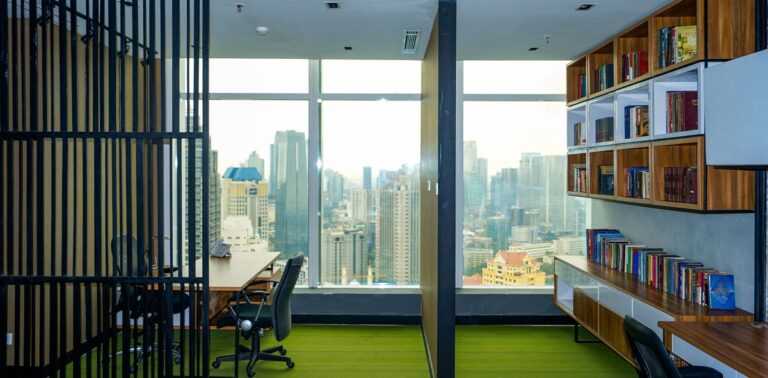
Office interior design services focus on creating functional, aesthetic, and inspiring workspaces that reflect a company’s culture, values, and operational needs. These services combine architectural design, space planning, ergonomics, and branding to enhance productivity and employee satisfaction.
A professional office interior design service does more than decorate. It strategically plans every detail — from spatial flow and furniture arrangement to lighting design and acoustics — to ensure the workspace supports both business goals and employee well-being. In today’s competitive business world, a thoughtfully designed office is not just a workspace; it’s a tool for innovation and talent retention.
Why Office Interior Design Matters
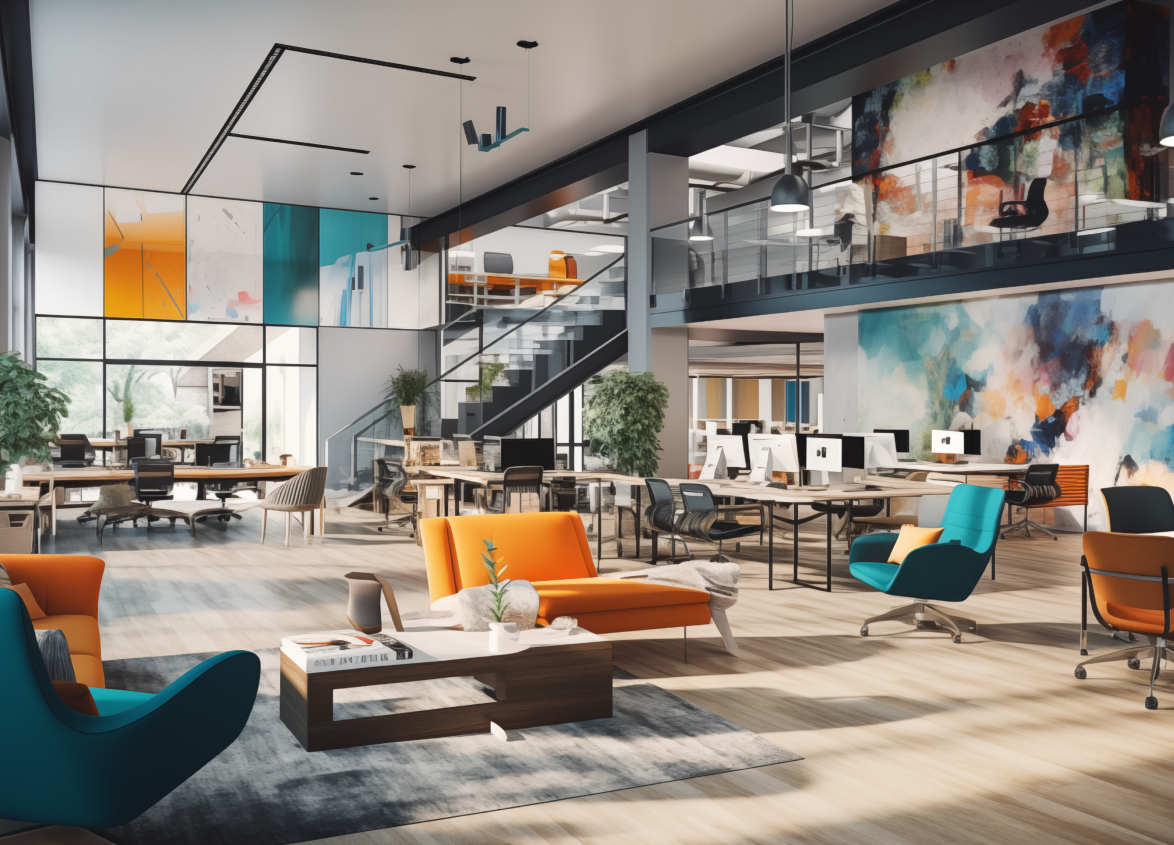
The quality of an office environment significantly influences employee performance, creativity, and engagement. Studies have shown that well-designed workspaces can boost productivity by up to 20% and reduce stress levels.
When companies invest in office interior design services, they create spaces that balance function and comfort. Modern office designs prioritize flexibility, allowing areas to serve multiple purposes — from collaboration zones to quiet focus areas. Furthermore, sustainable materials, natural lighting, and biophilic design elements (like indoor plants and natural textures) improve air quality and mental well-being.
For businesses, a well-designed office enhances brand image. It conveys professionalism and innovation to clients and partners, reinforcing the company’s identity through design aesthetics such as color palettes, textures, and materials.
The Benefits of Professional Office Interior Design Services
1. Optimized Space Utilization
Professional designers analyze your floor plan and workflow to maximize every inch of space. Efficient space planning reduces clutter and creates zones that support different work styles, such as collaborative hubs, private offices, and relaxation areas.
2. Enhanced Employee Productivity and Comfort
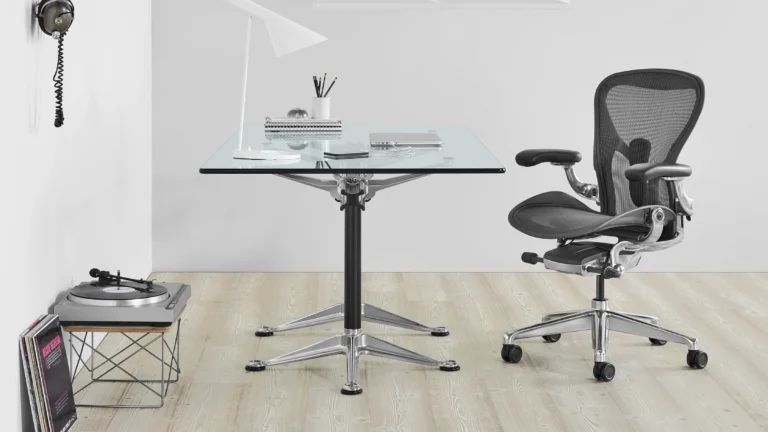
A well-designed office improves lighting quality, acoustics, and ergonomics. Comfortable workstations reduce fatigue, while thoughtful layouts promote communication without compromising privacy.
3. Stronger Brand Identity
Office interiors often act as physical representations of corporate identity. Custom color schemes, branded walls, and signature furniture pieces help communicate your company’s story to clients and staff.
4. Future-Proof Design
Professional services consider future expansion and evolving business needs. Modular furniture, movable walls, and adaptable layouts ensure that your office remains relevant even as your team grows.
5. Sustainability and Cost Efficiency
Designers increasingly integrate eco-friendly materials and energy-efficient systems. Not only does this align with corporate responsibility goals, but it also lowers long-term operational costs.
Technologies and Trends in Modern Office Design
The evolution of office interior design is shaped by technology and human-centric trends. Today’s offices are smart, flexible, and sustainable.
Smart Lighting and Climate Systems
Automated lighting and temperature control systems adapt to occupancy levels and daylight availability. This not only enhances comfort but also reduces energy consumption.
Virtual Reality (VR) Design Visualization
Many design firms now use VR to help clients visualize their future offices before construction begins. Clients can walk through 3D environments and make informed design decisions quickly.
Sustainable Materials and Biophilic Design
Eco-friendly materials like recycled wood, bamboo, and low-VOC paints are common. Designers also introduce plants and natural textures to create calming environments that connect employees to nature.
Flexible and Hybrid Workspaces
Post-pandemic design philosophies focus on adaptability. Furniture that can be reconfigured easily supports both in-office collaboration and remote work arrangements.
Acoustic Engineering and Soundscaping
Noise control is essential for productivity. Designers use sound-absorbing panels, textured walls, and strategic zoning to balance energy in open-plan offices.
Top Real-World Examples of Office Interior Design Service Providers
Below are five reputable design service providers that have shaped some of the world’s most innovative workplaces. These examples illustrate the scope, creativity, and impact of professional office interior design.
1. M Moser Associates
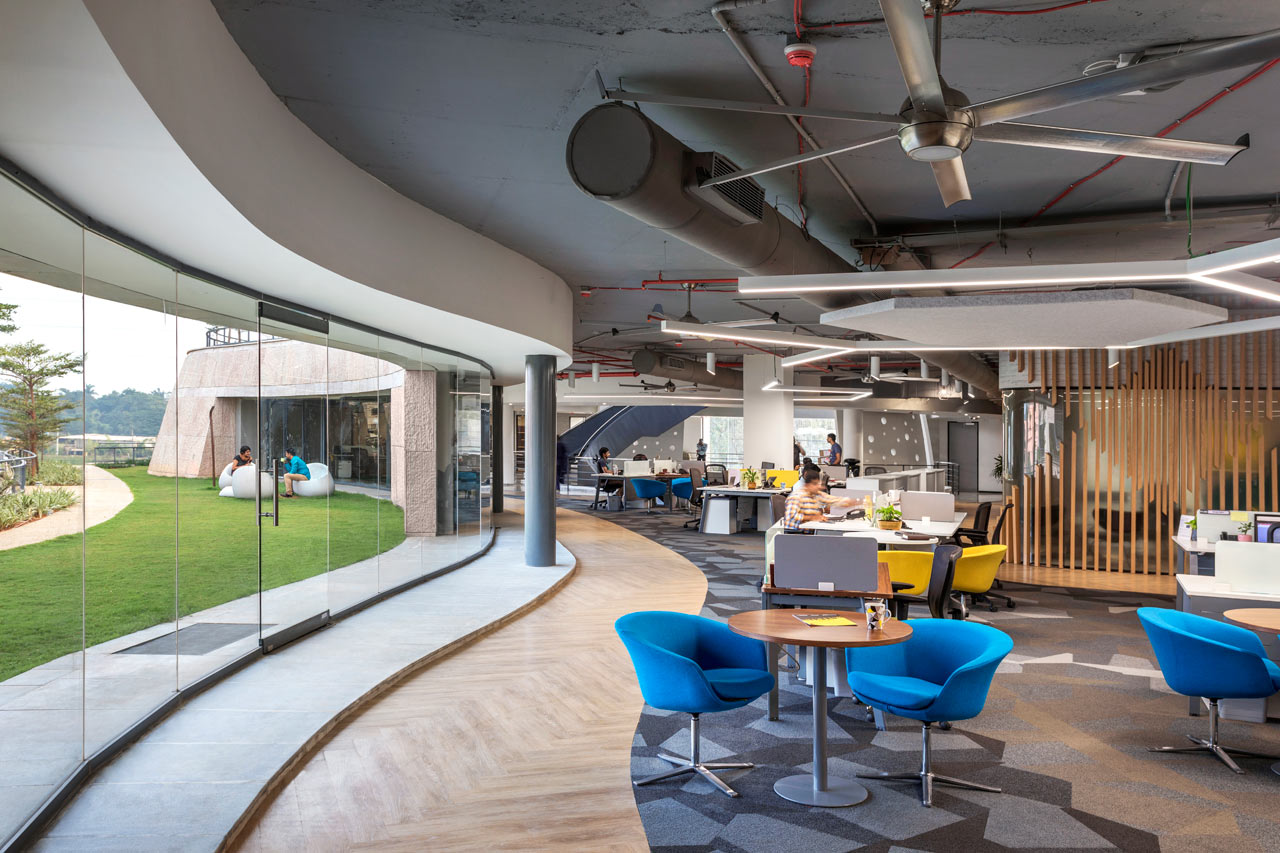
M Moser Associates is a globally recognized firm specializing in workplace strategy, design, and delivery. Their approach integrates architecture, interior design, and technology to create environments that enhance collaboration and employee well-being.
Their portfolio includes projects for major tech companies and financial institutions, where they’ve implemented open layouts, sustainable materials, and advanced acoustic solutions. M Moser focuses on people-centered design, ensuring that every space supports the physical and psychological needs of its users.
Use Case and Benefits
M Moser’s solutions are ideal for multinational corporations seeking to unify brand identity across offices worldwide. Their designs foster inclusivity, flexibility, and innovation. By blending technology with design, they help companies reduce energy consumption while increasing engagement.
2. Gensler
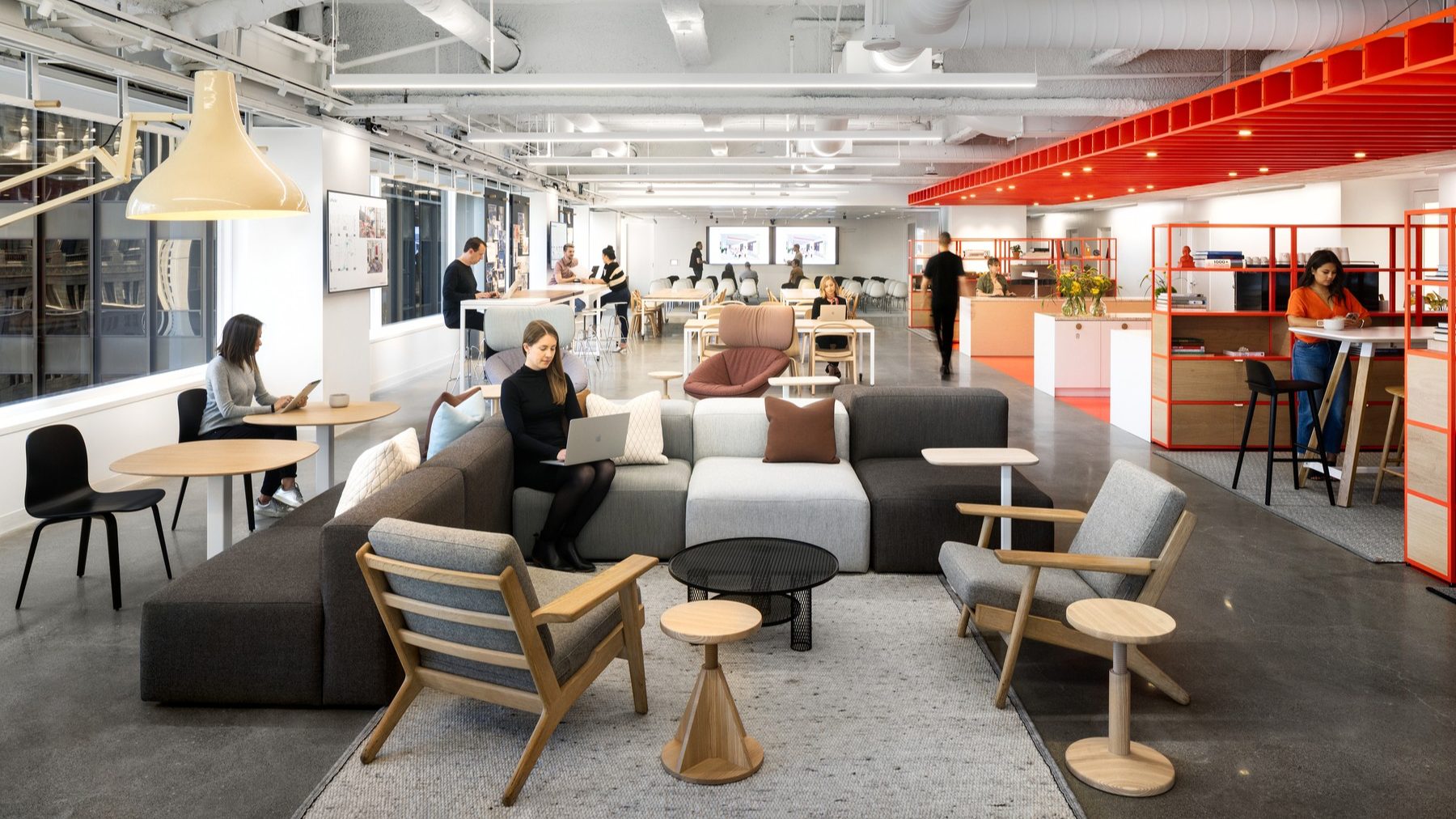
Gensler is one of the largest architecture and design firms globally, known for creating dynamic, high-performance work environments. Their office interior design services combine analytics, cultural research, and architectural creativity.
Gensler’s projects emphasize experience-driven design — where each element, from lighting to furniture, enhances how people interact with the space. They are pioneers in sustainable design, frequently incorporating renewable materials and energy-efficient systems.
Use Case and Benefits
Ideal for enterprises transitioning to hybrid work models, Gensler’s designs support both remote collaboration and in-person creativity. They optimize workflow, enhance team interaction, and strengthen corporate branding.
3. IA Interior Architects
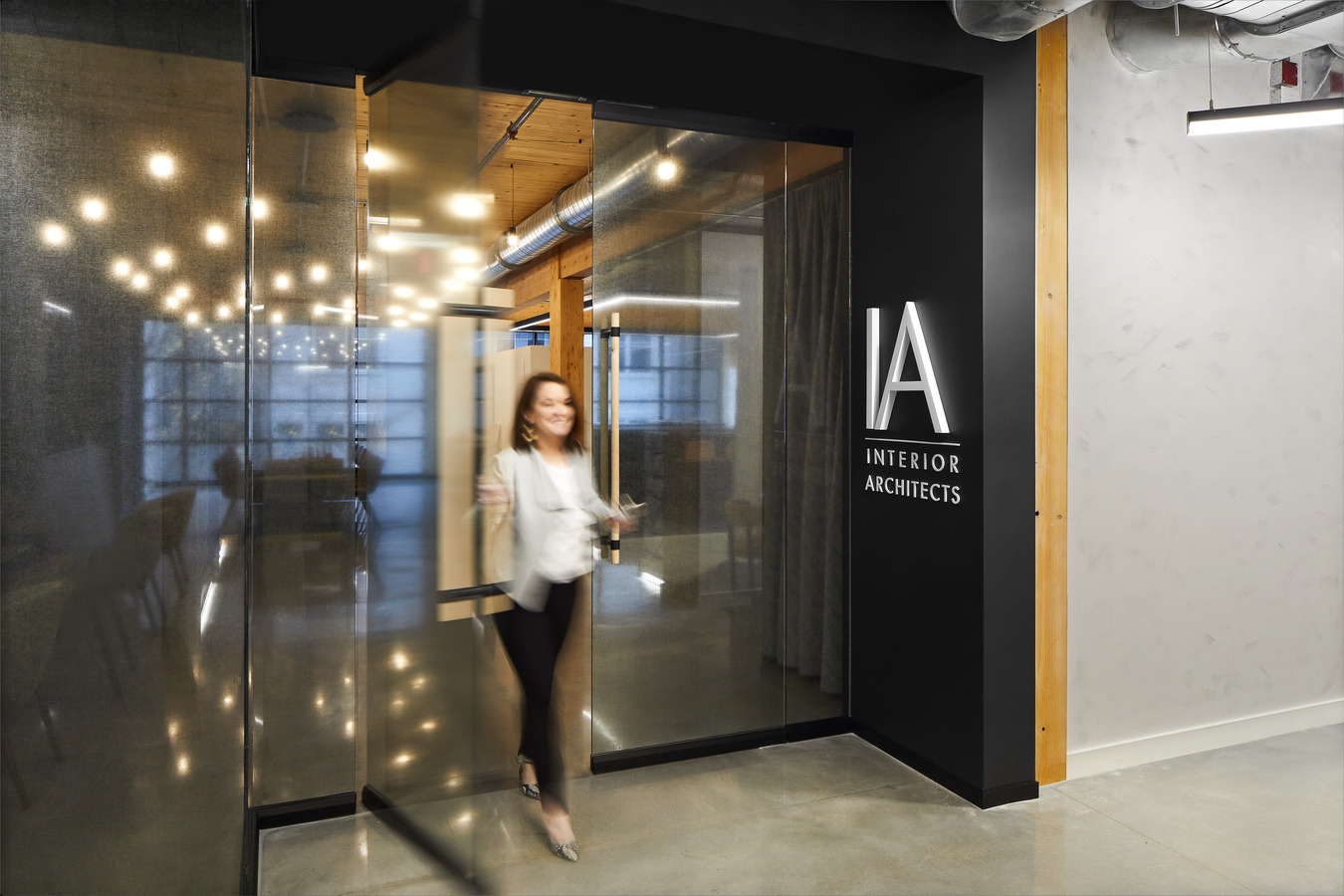
IA Interior Architects specializes in crafting workspaces that balance beauty and function. Their process begins with deep client collaboration, understanding each company’s workflow, culture, and aspirations before design execution.
IA’s expertise lies in designing immersive environments that encourage creativity. They focus on human-centered details, ergonomic furniture, natural lighting, and personalized zones for focused work or relaxation.
Use Case and Benefits
Perfect for mid-sized firms and creative agencies, IA’s design services enhance employee morale and productivity. Their use of wellness-focused materials and acoustics helps reduce stress and improve concentration.
4. HOK
HOK is an international design and engineering firm that integrates architecture, interior design, and sustainability. Their office interior design services transform traditional workspaces into smart, adaptive environments.
HOK leverages research and data analytics to design workplaces that align with business performance goals. Their emphasis on daylighting, thermal comfort, and spatial flow makes them a top choice for corporate offices and government institutions.
Use Case and Benefits
HOK’s services are ideal for large organizations seeking measurable improvements in employee satisfaction and operational efficiency. Their evidence-based design approach ensures every element contributes to well-being and productivity.
5. Perkins and Will
Perkins and Will is renowned for integrating sustainability into office interior design. Their work promotes environmental responsibility and occupant health through the use of eco-friendly materials and biophilic design.
They often design offices that blur the boundaries between indoor and outdoor spaces. Natural light, air circulation, and green elements are central to their design philosophy. Perkins and Will also emphasize inclusivity and accessibility, ensuring all employees can thrive in the workspace.
Use Case and Benefits
Ideal for environmentally conscious companies, their services deliver sustainable, inspiring offices that improve well-being and reduce carbon footprints. Their design expertise is especially suited to industries prioritizing innovation and social responsibility.
Why Businesses Need Office Interior Design Services
Companies of all sizes face challenges in creating productive environments. Poorly designed offices can lead to inefficient workflows, low morale, and increased employee turnover. Office interior design services solve these issues by aligning physical space with business strategy.
A well-designed office influences behavior and communication. For example, open spaces encourage teamwork, while soundproof pods offer quiet zones for concentration. By integrating digital technologies such as interactive displays or collaborative work platforms, offices become smarter and more efficient.
Furthermore, interior design affects recruitment and retention. Today’s workforce values environments that reflect company culture and prioritize well-being. A visually appealing, comfortable workspace can make the difference between attracting top talent and losing it to competitors.
How to Choose and Buy Office Interior Design Services
Investing in office design requires careful consideration. Here are steps to help you choose the right service provider:
1. Define Objectives
Clarify your goals — do you want to improve employee well-being, maximize space, or rebrand your office? Understanding priorities ensures designers tailor solutions to your needs.
2. Review Portfolios
Examine previous projects to evaluate style, functionality, and innovation. Look for case studies similar to your industry.
3. Assess Collaboration Process
A good design partner communicates transparently and involves you in every stage — from concept sketches to final implementation.
4. Evaluate Budget and Timeline
Obtain detailed proposals that outline costs, materials, and project phases. Reliable firms will help you stay on budget without compromising quality.
5. Request Virtual Presentations
Many firms now offer digital walk-throughs of proposed designs using 3D visualization or VR tools. This helps ensure your expectations align with outcomes.
The Future of Office Interior Design
The future of workplace design will continue to evolve toward human-centric and technology-integrated solutions. Hybrid work models demand flexibility — spaces must support remote connectivity and face-to-face collaboration equally.
Designers are now incorporating artificial intelligence and data-driven insights to personalize spaces. Sensors monitor occupancy patterns, air quality, and lighting needs, automatically adjusting conditions for optimal comfort.
Sustainability remains a defining theme. Offices of the future will use net-zero materials, renewable energy, and circular design principles to reduce waste. In essence, the modern workplace is becoming a living ecosystem that supports productivity, health, and environmental responsibility.
Frequently Asked Questions (FAQ)
1. What do office interior design services include?
They typically include space planning, furniture selection, lighting design, branding integration, and project management. Some firms also offer construction supervision and post-occupancy evaluations.
2. How long does an office redesign take?
The timeline depends on the project scale. A small office renovation may take 4–6 weeks, while large corporate projects can take several months from concept to completion.
3. Are professional design services worth the investment?
Yes. Professional office design services enhance efficiency, employee satisfaction, and brand image. Over time, the return on investment is reflected in improved productivity and reduced operational costs.