Professional Renderings: The Ultimate Guide to High-Quality Visualization for Architecture and Design
Professional renderings have become an essential part of modern architecture, interior design, and real estate marketing. In today’s digital world, the ability to present a design visually before construction begins can determine the success of a project. This technology enables architects, designers, and developers to communicate ideas clearly, enhance decision-making, and attract clients through realistic visualization.
Below, you’ll learn everything about professional renderings: what they are, why they’re important, the technology behind them, the best tools used by professionals, and how you can use them to elevate your design business.
What Are Professional Renderings?

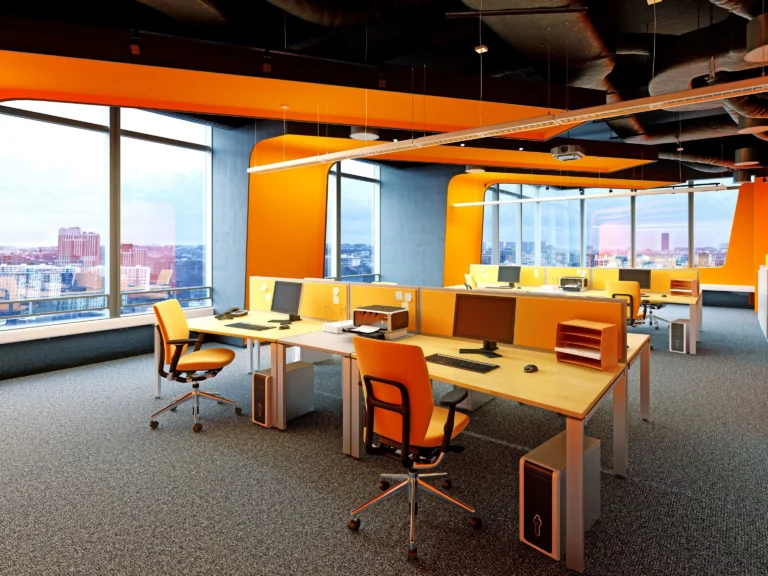
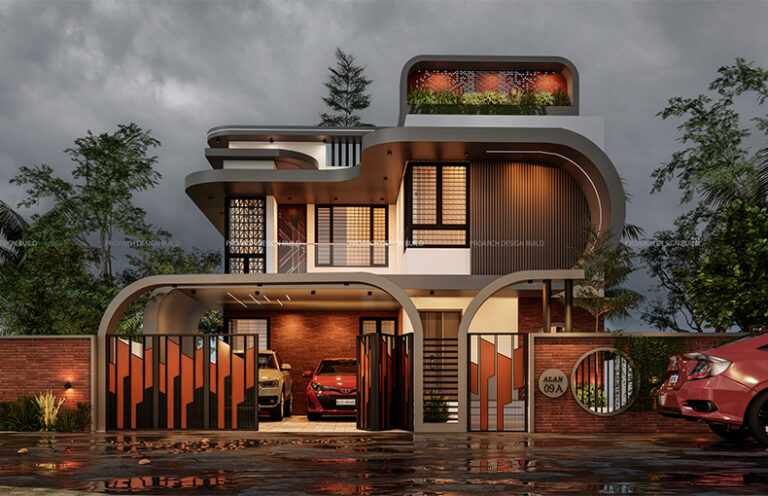
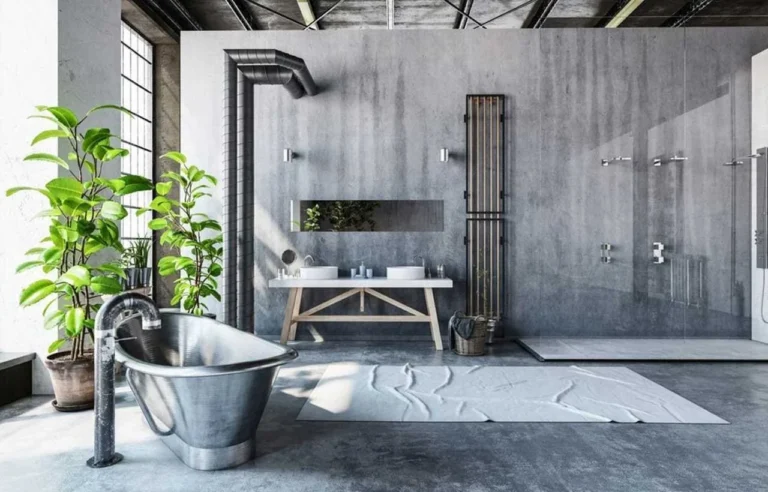
Professional renderings are high-quality digital visualizations of architectural or interior design concepts created using specialized 3D rendering software. These renderings simulate real-world lighting, materials, textures, and perspectives to create lifelike images that represent a project before it’s built. Professional renderings are not just images; they are visual storytelling tools that connect imagination with reality.
The Importance of Professional Renderings in Modern Design
Professional renderings bridge the gap between concept and execution. They allow designers to test materials, colors, and layouts before making costly construction decisions. For clients, renderings provide a clear understanding of what the final product will look like, making collaboration more effective.
These renderings also play a key role in investor presentations, client pitches, and marketing campaigns. A high-quality rendering can turn a concept into a convincing visual that inspires confidence and drives decisions.
Benefits of Using Professional Renderings
Enhanced Communication and Visualization
Professional renderings make it easier to communicate design ideas to non-technical audiences. Clients can instantly visualize space, scale, and ambiance through photorealistic imagery. This eliminates misunderstandings and reduces revision cycles.
Cost Efficiency and Time Savings
By previewing the design digitally, potential errors can be detected early. Designers can test materials, lighting, and layout without physically building prototypes. This reduces costs, saves time, and ensures smoother project management.
Marketing and Competitive Advantage
Real estate developers, architects, and designers use professional renderings to showcase their projects in brochures, websites, and advertisements. A visually appealing rendering helps sell projects faster and gives a competitive edge in presentations and competitions.
Technologies Powering Professional Renderings
Modern rendering technology relies on advanced algorithms for light simulation, texture mapping, and material rendering. Below are some of the leading technologies that make professional renderings realistic and efficient.
Ray Tracing
Ray tracing replicates how light interacts with objects in the real world. It calculates reflections, refractions, and shadows to produce photorealistic visuals. This technique is used by most professional rendering software today.
Real-Time Rendering
Real-time rendering allows designers to make instant adjustments and view updates immediately. This technology has revolutionized the design process, enabling faster feedback and more dynamic creativity.
Artificial Intelligence and Cloud Rendering
AI-driven rendering tools automate repetitive tasks such as lighting adjustments, texture generation, and environment setup. Cloud rendering allows users to process large, complex scenes without needing powerful local hardware, saving both time and cost.
Top Real-World Examples of Professional Rendering Software
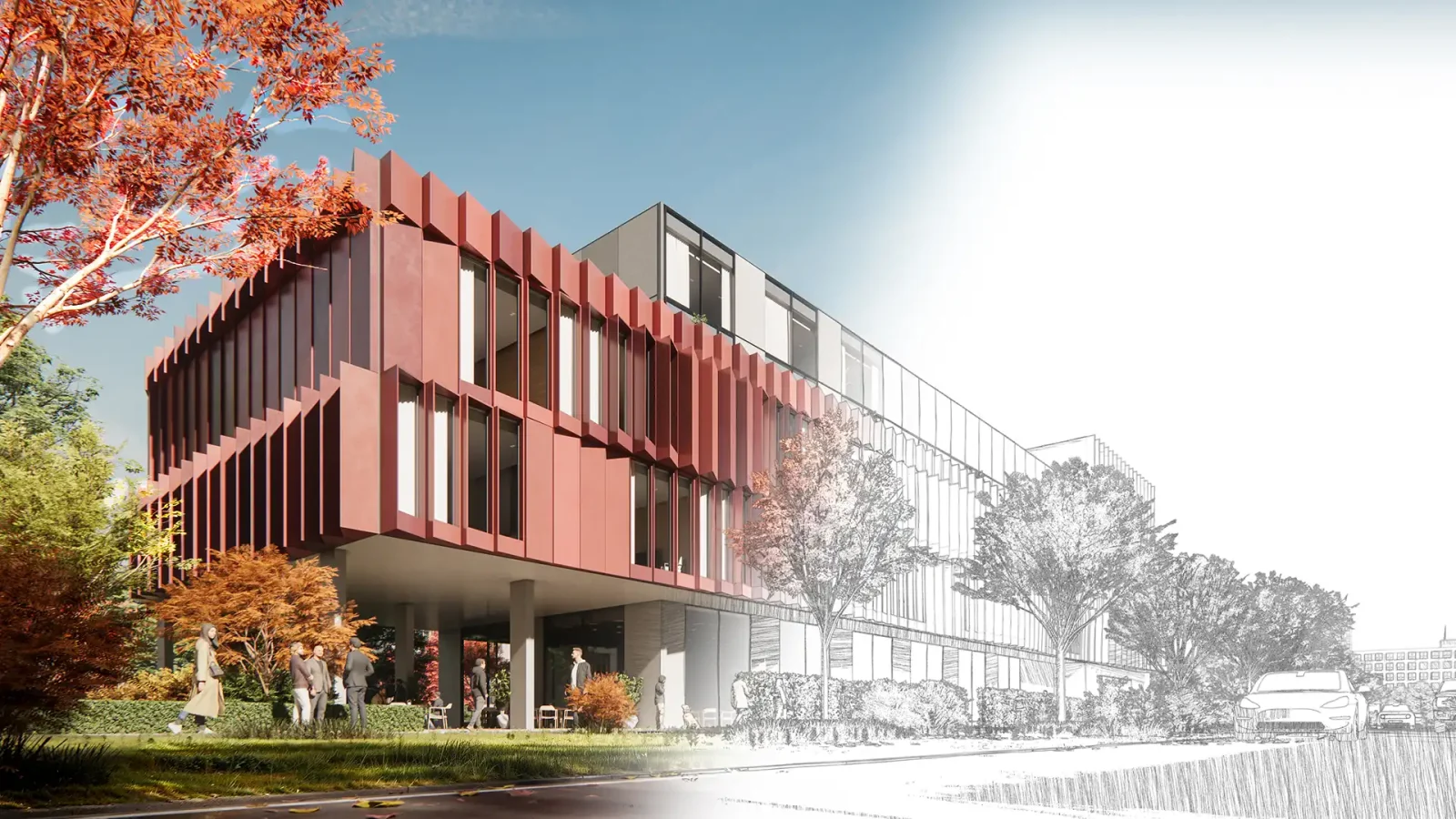
Here are five of the most widely used and trusted tools for creating professional renderings in architecture and design. Each of them offers unique features, benefits, and use cases.
Autodesk 3ds Max
Autodesk 3ds Max is one of the industry’s leading tools for professional 3D modeling and rendering. It provides architects and designers with robust capabilities for creating complex, high-quality visualizations with precise detail.
Its rendering engine allows for both photorealistic and stylized results, offering flexibility for any project type. With its integration with V-Ray and Arnold renderers, users can produce lifelike lighting, shadows, and materials.
Benefits:
- Perfect for large-scale architectural and urban design projects
- Supports realistic texture mapping and lighting simulation
- Compatible with numerous plugins for enhanced workflow
Use Case:
Architectural firms use Autodesk 3ds Max to visualize entire buildings and interior layouts before construction. It helps present proposals to clients with complete accuracy.
How to Buy:
Autodesk 3ds Max can be purchased through Autodesk’s official website or authorized resellers.
Lumion
Lumion is known for its speed and simplicity, making it ideal for architects who need quick yet stunning renderings. It focuses on real-time rendering and visualization, enabling users to produce images, videos, and 360-degree panoramas effortlessly.
Its built-in library of materials, lighting presets, and natural elements like trees and people adds realism without heavy modeling.
Benefits:
- Real-time rendering for faster visualization
- User-friendly interface suitable for both beginners and experts
- Enhances storytelling through animated walkthroughs and scenes
Use Case:
Architects and developers use Lumion to create visual content for marketing and client presentations. It helps them demonstrate design intent clearly and persuasively.
How to Buy:
Lumion is available directly from its official site, with both standard and pro versions to fit various needs.
SketchUp with V-Ray Integration
SketchUp is popular for conceptual design, and when combined with V-Ray, it becomes a powerful rendering solution. This combination allows architects to model quickly and visualize their projects with photorealistic quality.
V-Ray enhances SketchUp by providing advanced lighting, material rendering, and high-definition output. It’s ideal for architects seeking a balance between modeling flexibility and realistic visualization.
Benefits:
- Seamless integration between design and rendering
- Produces accurate lighting and texture details
- Accessible for architects, interior designers, and students
Use Case:
SketchUp + V-Ray is commonly used by architectural students, freelancers, and professionals for quick conceptual visualizations that look realistic enough for presentations.
How to Buy:
Both SketchUp and V-Ray licenses are available from their respective official distributors.
Twinmotion
Twinmotion is a real-time visualization tool that integrates easily with design software like Revit, SketchUp, and Archicad. It allows designers to explore their models in immersive 3D environments instantly.
Twinmotion uses Unreal Engine technology to deliver cinematic-quality rendering and animation. Designers can experiment with seasons, lighting, and environments effortlessly.
Benefits:
- Instant visualization and walkthrough capability
- Realistic environmental effects like weather and daylight
- Great for virtual reality presentations
Use Case:
Architecture firms use Twinmotion for interactive presentations where clients can explore spaces dynamically. It improves collaboration and decision-making.
How to Buy:
Twinmotion can be purchased via its parent platform or bundled with other design tools.
Enscape
Enscape is a real-time rendering and VR plugin for software like Revit, Rhino, and SketchUp. It’s known for its simplicity, speed, and quality. Designers can walk through their models in real time, making it an excellent tool for client collaboration.
Benefits:
- Real-time rendering and virtual reality support
- Minimal setup time with automatic synchronization
- Great for architectural firms needing quick, professional visuals
Use Case:
Enscape helps teams during design review and client meetings, allowing them to visualize updates instantly. It bridges the gap between concept and execution.
How to Buy:
Available directly from Enscape’s website or official software partners.
Why Professional Renderings Are Essential for Success
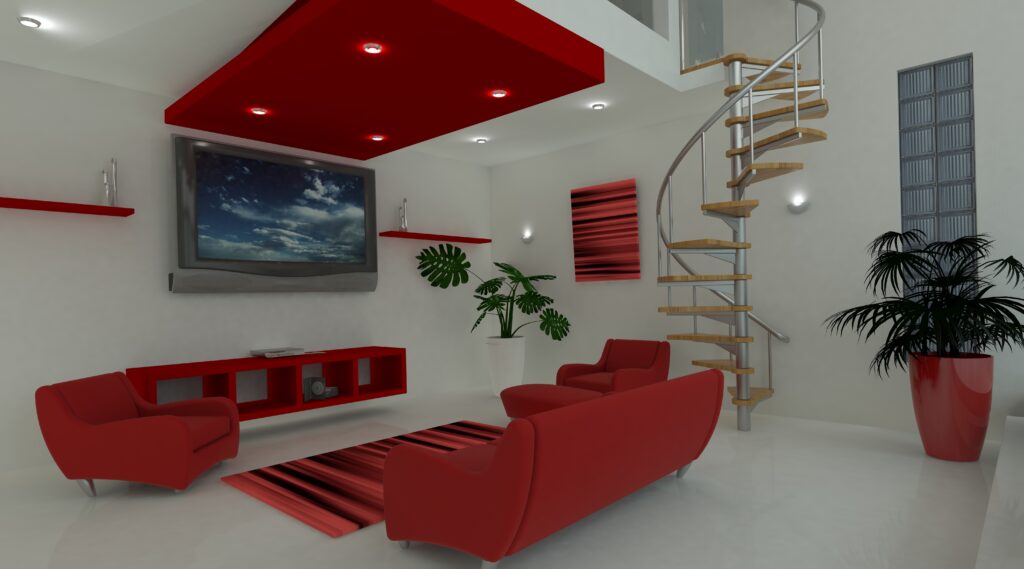
Professional renderings help professionals win projects, communicate better, and improve design accuracy. Whether you are an architect, interior designer, or property developer, renderings bring your vision to life with precision and clarity.
They also act as powerful marketing tools. A single high-quality rendering can capture the essence of a space and inspire clients to invest in it. In competitive industries, professional renderings are not a luxury — they are a necessity.
How to Choose the Right Rendering Tool
Choosing the right rendering software depends on your goals, experience, and project scale. Consider these factors:
- Ease of use: Tools like Lumion and Twinmotion are beginner-friendly.
- Realism: V-Ray and 3ds Max deliver unmatched photorealism.
- Speed: Enscape and Twinmotion excel in real-time feedback.
- Integration: Choose software that works seamlessly with your modeling tools, like Revit or SketchUp.
Where to Buy Professional Rendering Software
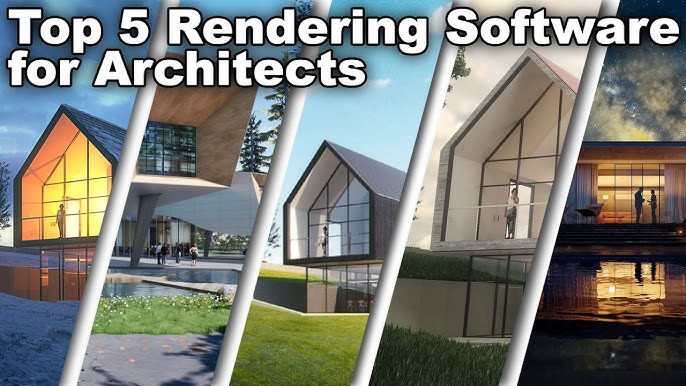
You can purchase professional rendering software from official developers or certified resellers. Always choose genuine licenses to ensure full feature access and support.
Recommended Purchase Options:
- Autodesk official store for 3ds Max
- Lumion is the official platform for visualization suites
- Chaos Group for V-Ray
- Twinmotion official distributors
- Enscape direct platform
Conclusion
Professional renderings have revolutionized how the architecture and design industries communicate ideas and showcase creativity. They transform abstract concepts into vivid visual experiences, bridging the gap between imagination and construction.
By investing in professional rendering tools and mastering visualization techniques, you can enhance your design presentations, impress clients, and gain a significant competitive advantage in your field.
Frequently Asked Questions (FAQ)
1. What is the difference between professional and basic renderings?
Professional renderings utilize advanced techniques, such as ray tracing and global illumination, to achieve a photorealistic quality. Basic renderings, on the other hand, provide simplified visuals with limited realism.
2. How long does it take to produce a professional rendering?
The time varies based on project complexity and rendering settings. Simple scenes may take hours, while large-scale architectural visualizations can take days.
3. Do I need a powerful computer for rendering?
High-quality renderings require substantial processing power, especially for photorealistic results. However, cloud rendering services now allow users to create detailed visuals without expensive hardware.