Professional Residential Architectural Rendering Services for Modern Home Design
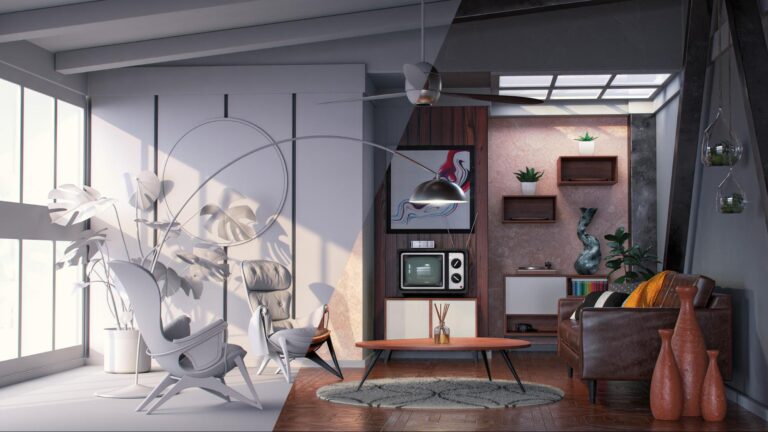
Residential architectural renderings are digital visualizations that bring architectural plans to life. Using advanced 3D modeling and rendering software, designers and architects create highly realistic images or animations that depict the final look of a house before construction even begins.
This technology combines artistic visualization and technical precision. By integrating lighting, texture, color, and materials, renderings help clients visualize every detail from the sunlight through the living room window to the reflective surface of a marble countertop. This process minimizes misunderstandings, saves costs, and speeds up the decision-making process between designers, homeowners, and developers.
The Importance of Rendering in Modern Residential Projects
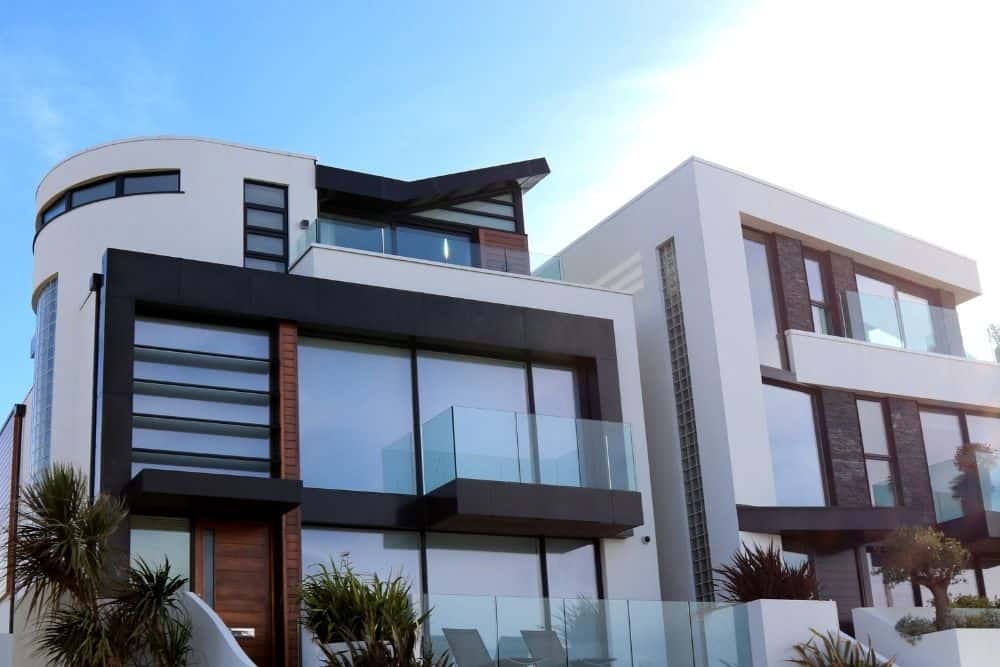
Modern residential projects require precision and clarity. Architectural renderings make it possible to preview a design in context, showing how a new structure fits into its environment, its scale, and even landscaping elements.
For architects and builders, renderings are indispensable tools for communication. They act as a visual contract between all stakeholders. For homeowners, it means peace of mind seeing exactly what they are investing in before construction begins. Renderings also help real estate professionals market properties more effectively by showing compelling, lifelike previews of unfinished homes.
Benefits of Using Residential Architectural Rendering Services
High-quality renderings do more than just visualize a project; they elevate the entire design and sales process.
1. Enhanced Visualization
Clients can explore every aspect of the proposed design, including lighting, materials, and spatial arrangements. This immersive experience improves satisfaction and reduces revision cycles.
2. Time and Cost Efficiency
By identifying design flaws early, architectural renderings save significant costs that might arise during construction. Revisions in digital models are far cheaper than physical changes on-site.
3. Marketing and Presentation Power
Realistic renderings can be used in marketing materials, project proposals, and online portfolios. They make presentations more persuasive and visually engaging.
4. Increased Client Confidence
Renderings help build trust with clients by providing a tangible preview of their investment. This can significantly accelerate project approval times.
Technologies Powering Architectural Renderings
Residential architectural renderings rely on advanced visualization technologies. Software solutions use real-time ray tracing, AI-assisted lighting, and material libraries to achieve photorealistic effects.
Rendering engines, such as those integrated into professional design software, allow artists to manipulate every visual element from sunlight angles to fabric textures. These engines are powered by GPUs that handle millions of calculations per second, producing lifelike visuals with accurate shadows and reflections.
AI Integration is also revolutionizing the rendering industry. AI helps automate repetitive tasks, enhance textures, and speed up rendering times without sacrificing quality. As a result, projects that once took days can now be completed within hours.
Top Real-World Products for Residential Architectural Renderings
Below are five leading tools used by professionals in residential architectural visualization. Each offers unique strengths suited for different scales of projects.
1. Autodesk Revit
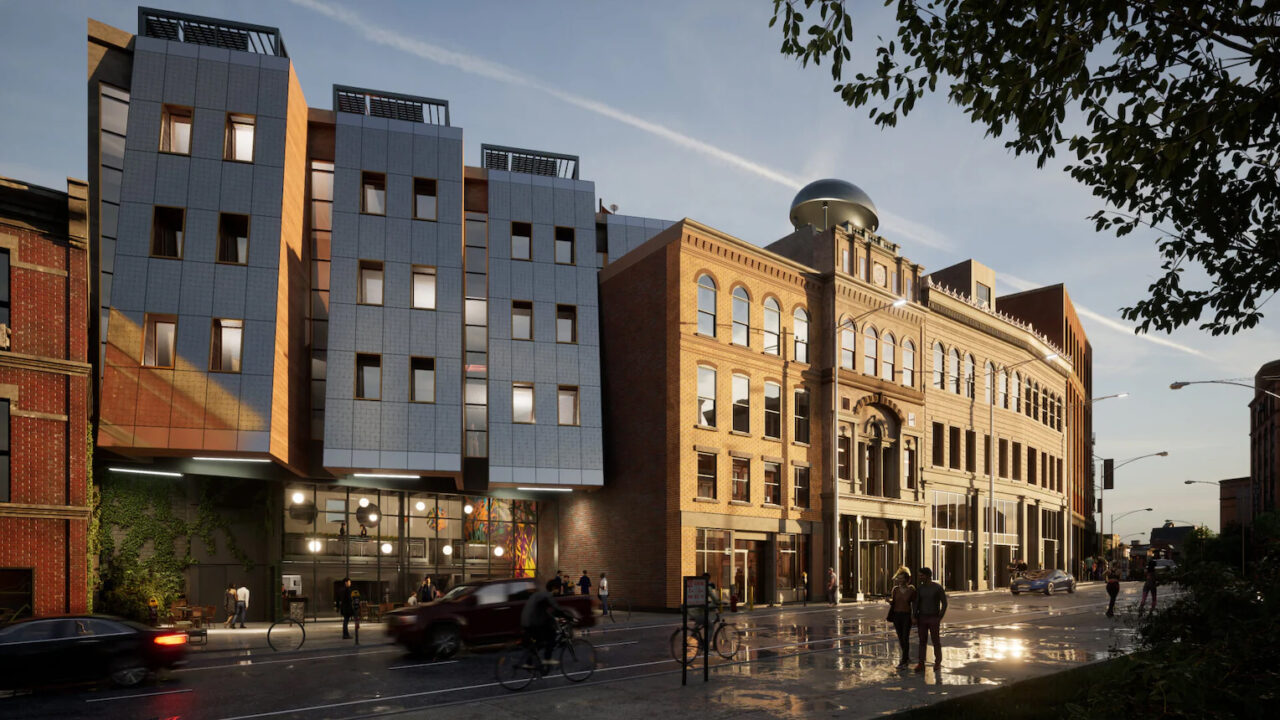
Autodesk Revit is an industry-standard Building Information Modeling (BIM) software. It allows architects to create both 2D and 3D models while maintaining data accuracy across the design process. Its rendering capabilities are tightly integrated, producing precise residential visualizations with structural and material details.
Revit’s biggest strength lies in its interoperability. It enables teams to collaborate seamlessly across disciplines, architecture, engineering, and construction. For residential design, this means fewer errors, real-time updates, and high-quality render outputs that align perfectly with construction documentation.
Use Case and Benefits
Revit is ideal for large-scale residential developments or luxury home designs that require coordination among multiple professionals. Its rendering accuracy ensures that the visual outcome matches construction details, helping clients avoid design misinterpretations.
2. Lumion

Lumion is one of the most popular rendering software tools among architects. Known for its speed and user-friendly interface, Lumion transforms CAD models into immersive, photorealistic images or videos within minutes.
Lumion’s extensive asset library includes realistic vegetation, lighting effects, and human figures, helping designers bring their scenes to life. The software’s real-time rendering capabilities make it an excellent choice for presenting concepts to clients instantly.
Use Case and Benefits
For residential projects that emphasize aesthetics and environmental context, Lumion excels. It enables designers to show homes with accurate weather conditions, landscaping, and neighborhood surroundings, perfect for marketing new developments.
3. SketchUp with V-Ray
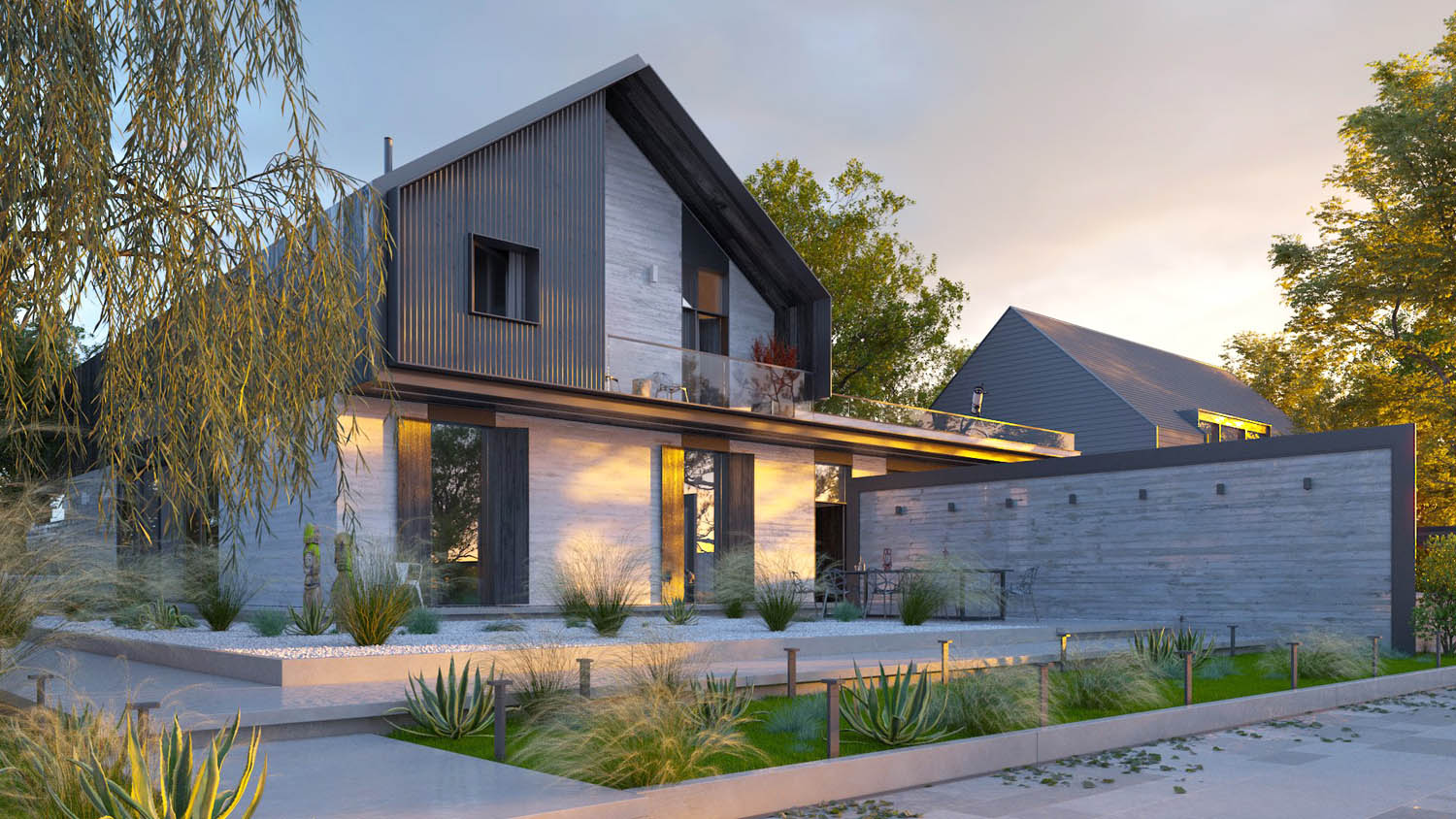
SketchUp is widely recognized for its simplicity and flexibility, while V-Ray adds the realism architects crave. When used together, they offer a powerful combination for creating detailed residential renderings quickly and efficiently.
V-Ray enhances SketchUp models with high-quality lighting simulations and material rendering, producing results that rival photographs. Its integration allows users to maintain SketchUp’s ease of use while accessing professional-grade visualization tools.
Use Case and Benefits
This duo is perfect for small to medium residential projects where designers need both speed and realism. Architects can adjust lighting, materials, and perspective interactively, improving communication with clients.
4. Twinmotion
Developed by Epic Games, Twinmotion brings the power of Unreal Engine to architectural visualization. It provides real-time 3D rendering and immersive walkthroughs that feel like interactive video games.
Twinmotion’s intuitive drag-and-drop interface allows architects to create professional visualizations without extensive training. The tool supports VR presentations, enabling clients to experience a virtual tour of their future homes before they’re built.
Use Case and Benefits
Twinmotion is ideal for high-end residential presentations that demand interactivity. Developers use it to immerse potential buyers in a digital version of their future property, enhancing sales engagement.
5. Enscape
Enscape is a real-time rendering and virtual reality plugin compatible with Revit, SketchUp, and Rhino. It allows users to instantly visualize architectural designs without exporting models to external software.
With Enscape, residential architects can generate realistic lighting, shadow, and material effects instantly. It’s perfect for collaborative design reviews and quick visualization iterations during client meetings.
Use Case and Benefits
Enscape streamlines the workflow by minimizing rendering preparation time. This makes it ideal for fast-paced design environments where updates and client feedback need to be visualized immediately.
Why People Need Residential Architectural Renderings
Homeowners and real estate developers often face uncertainty during the design phase — trying to imagine how 2D plans translate into real spaces. Renderings eliminate that uncertainty. They provide clarity and confidence in design decisions before construction begins.
Architectural renderings also improve communication between designers, engineers, and clients. When everyone can see the same 3D vision, it reduces misunderstandings and ensures alignment across teams. Moreover, these renderings are invaluable marketing assets for showcasing upcoming projects.
How to Buy Residential Architectural Rendering Services
Purchasing architectural rendering services or software is straightforward. Here’s how you can do it:
- Identify Your Needs: Determine whether you need in-house software like Revit or outsourcing services from a rendering studio.
- Compare Software Options: Choose software that integrates with your existing tools and offers the level of realism you need.
- Request a Demo: Most software providers offer free trials or demos to test rendering capabilities.
- Purchase Official Licenses: Always buy from verified software distributors or official company websites to ensure authenticity and updates.
Frequently Asked Questions (FAQ)
1. What are residential architectural renderings used for?
They’re used to visualize home designs in 3D before construction. This helps architects, developers, and homeowners make informed decisions and avoid costly design changes later.
2. How long does it take to create a rendering?
The timeline depends on project complexity. A simple interior rendering may take a few hours, while a full exterior visualization with landscaping can take several days.
3. Do I need professional software to create renderings?
Yes. Professional-grade rendering tools like Revit, Lumion, or Twinmotion provide advanced lighting, material, and environmental effects that ensure realism and accuracy.